Best Manual Coffee Grinders: A scientific evaluation of grind consistency, burr design, and extraction control
In This Guide
Introduction: Why Best Manual Coffee Grinders Matter for Extraction
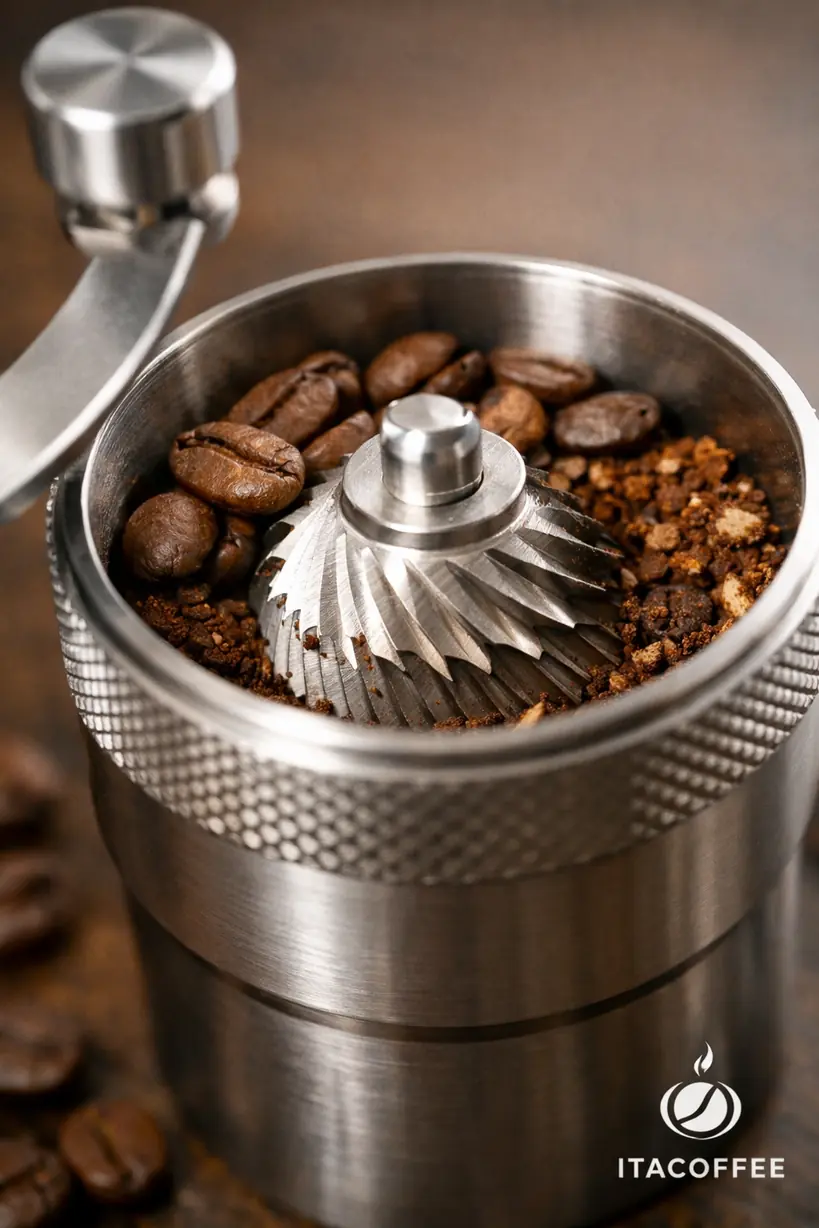
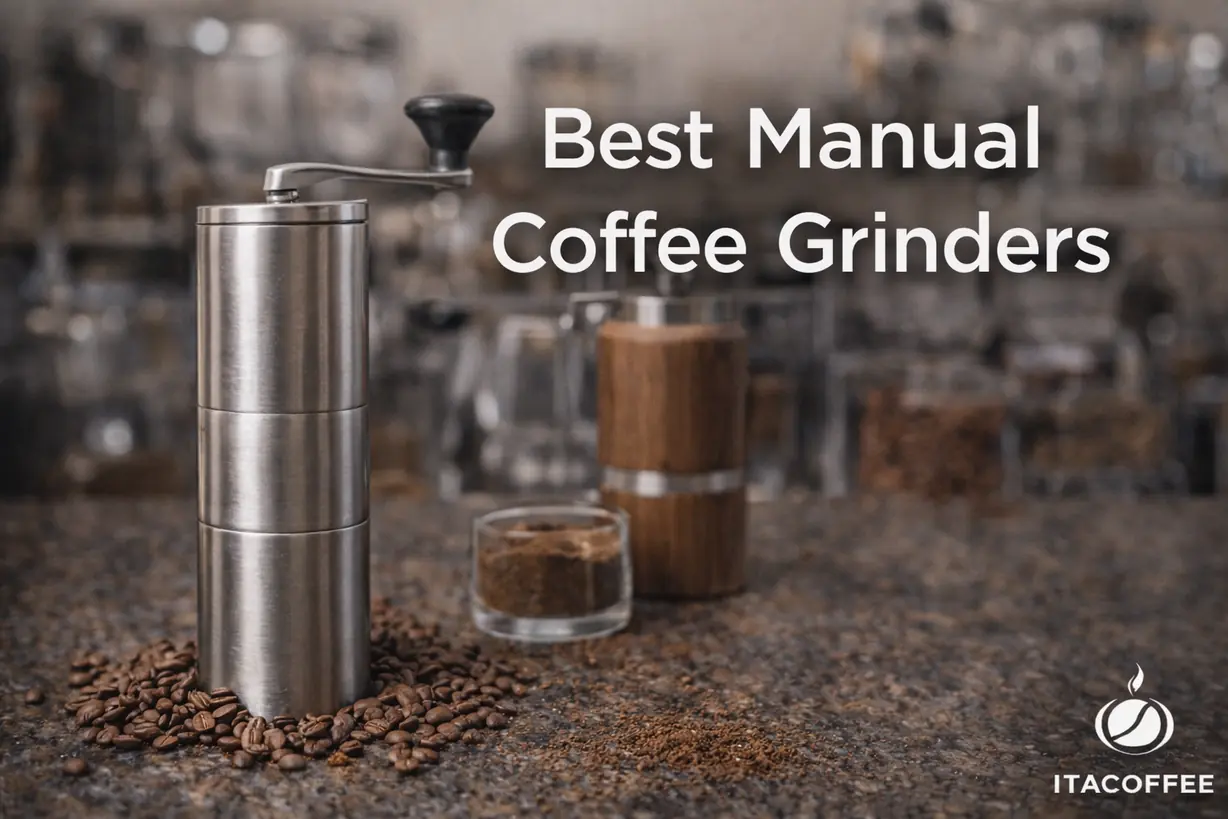
Best manual coffee grinders are not defined by brand or appearance, but by how precisely they control particle size distribution, which directly determines extraction quality.
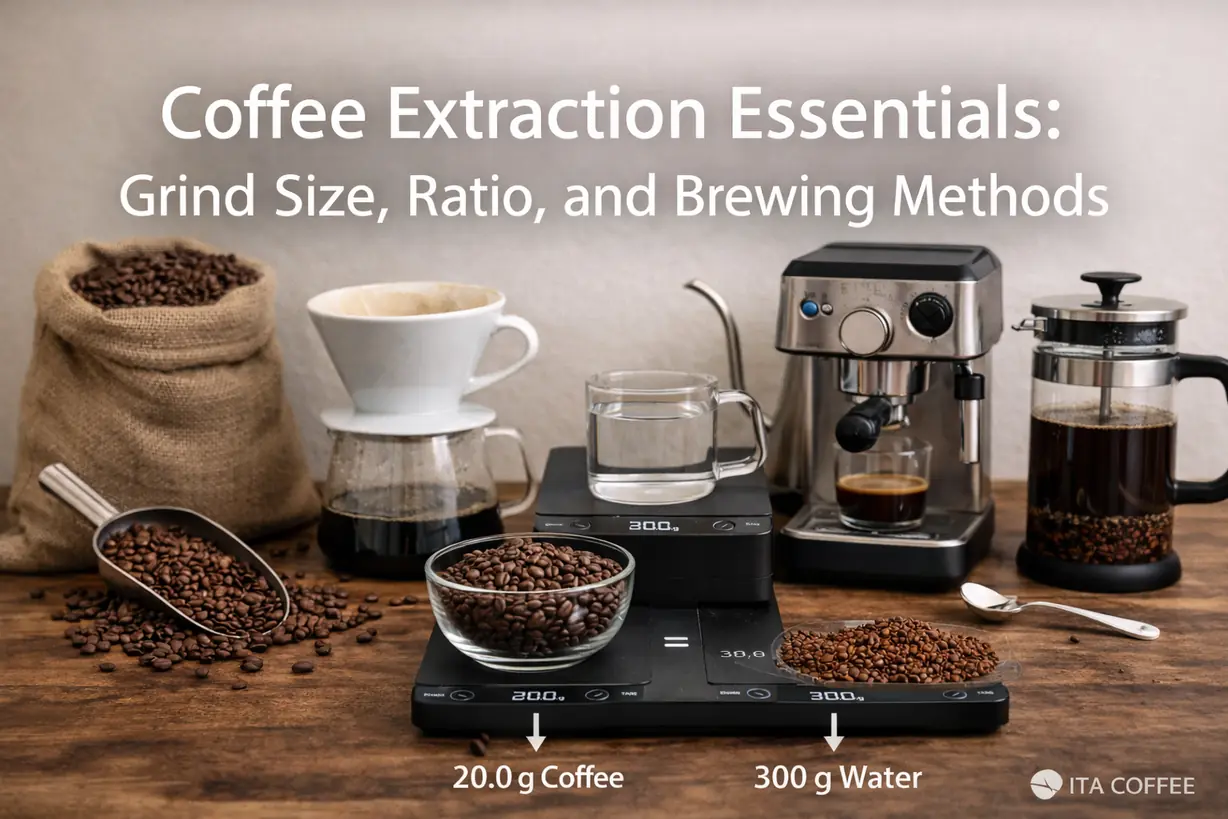
Grinding is the first irreversible step in brewing. Once coffee is ground, its surface area increases dramatically, accelerating extraction and oxidation (see Why Freshly Ground Coffee Matters).
According to the Specialty Coffee Association (SCA), grind consistency is one of the most critical variables affecting extraction yield and sensory balance.
Manual grinders are often evaluated as “portable alternatives,” but this framing is incomplete. Many of the best manual coffee grinders outperform entry-level electric grinders in grind uniformity.
This article examines:
- What makes a manual grinder technically “good”
- How burr design affects extraction
- Which grinders perform best under different brewing conditions
Core Principle: Why Grind Consistency Matters
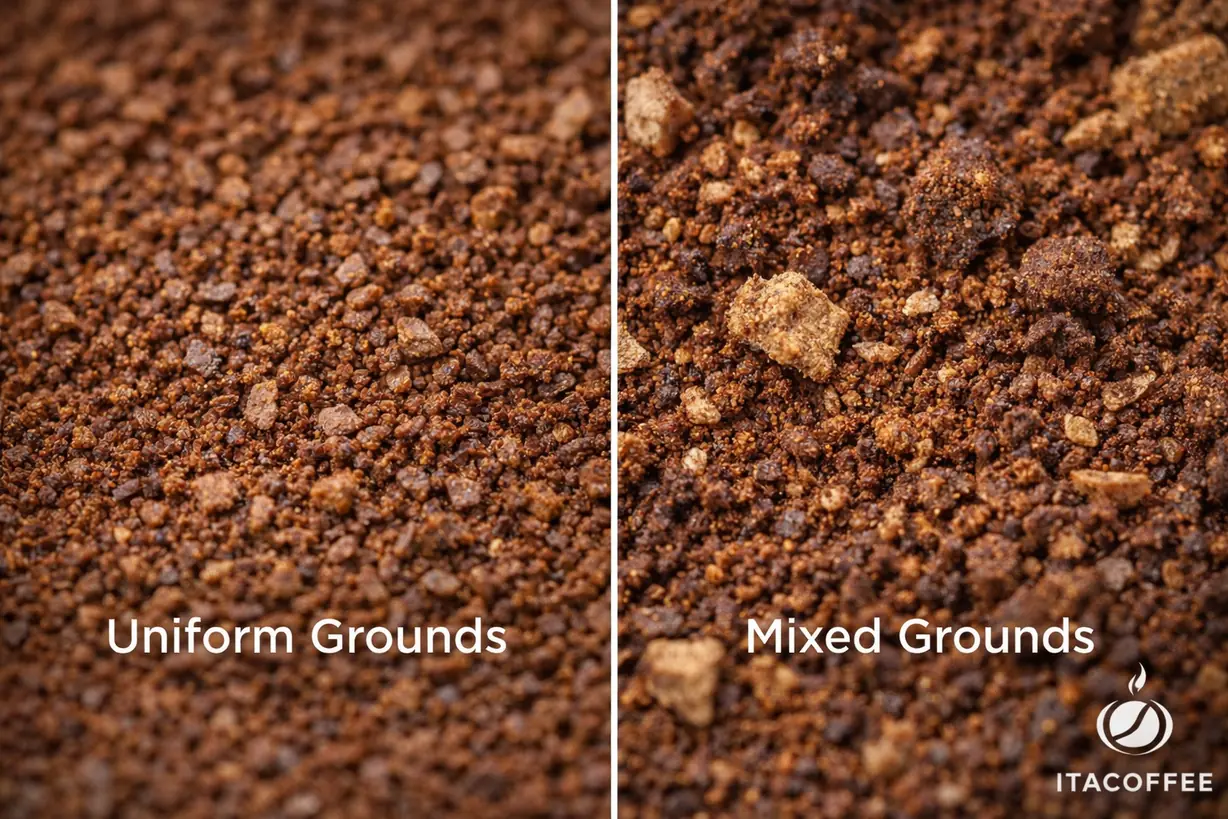
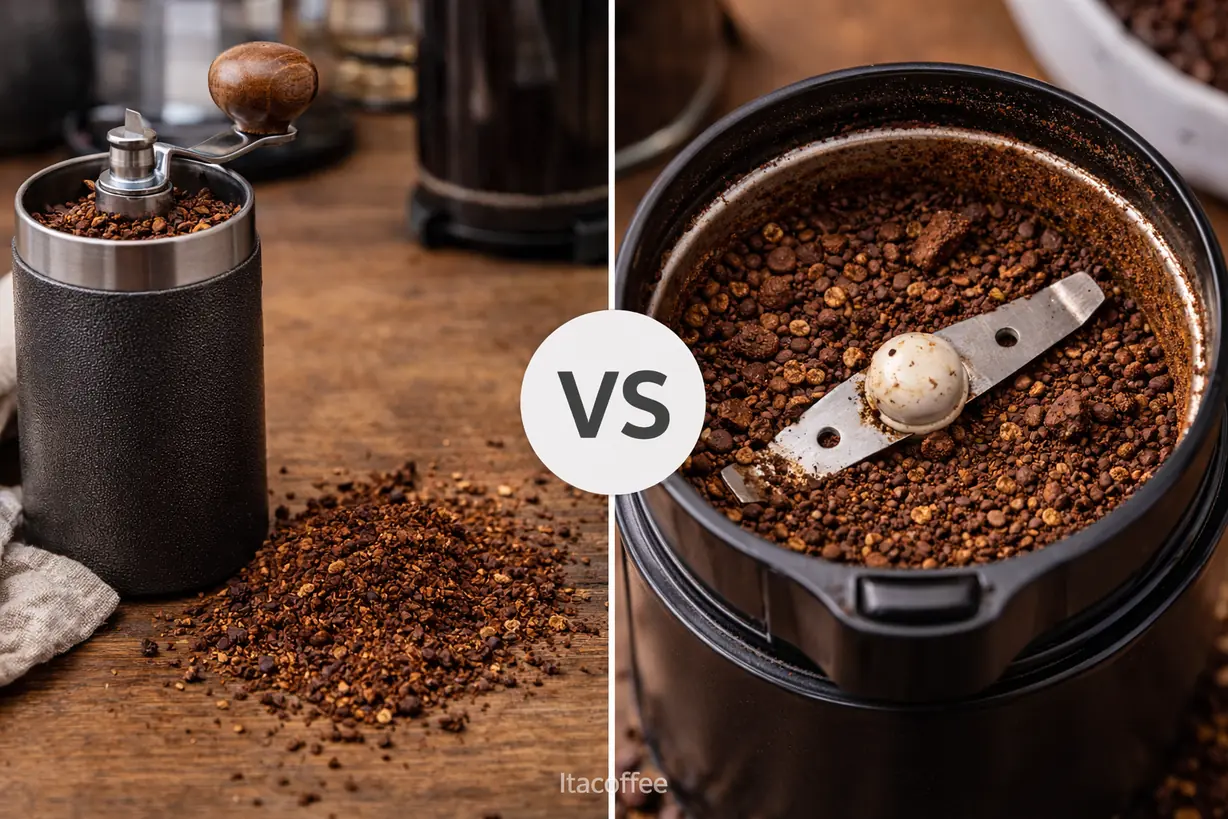
When evaluating the best manual coffee grinders, grind consistency is the primary metric.
Definition: Particle Size Distribution
- Uniform particles → even extraction → balanced flavor
- Mixed particles → uneven extraction → bitterness + sourness
This is directly linked to coffee extraction, where fines over-extract and larger particles under-extract.
What Determines the Best Manual Coffee Grinders
1. Burr Type: Conical vs Flat
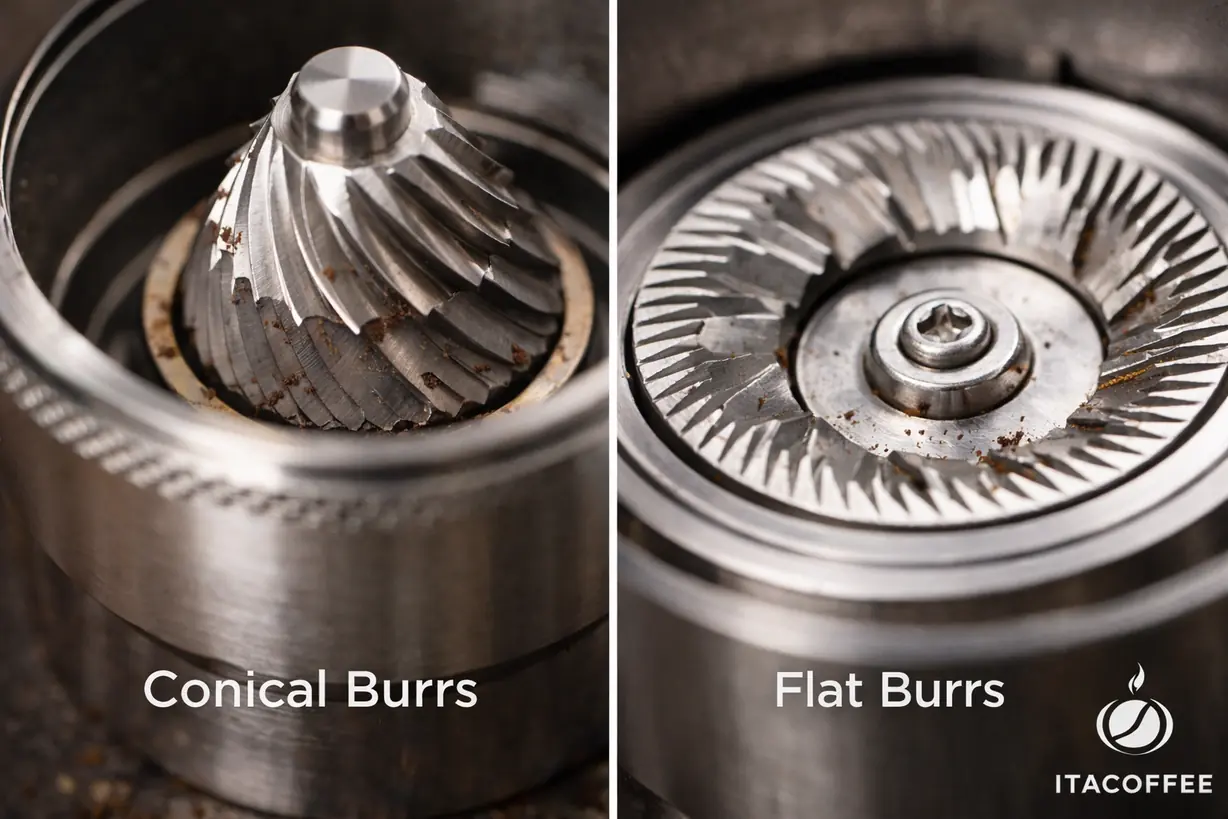
Most of the best manual coffee grinders use conical burrs due to efficiency and alignment stability.
- Conical burrs: lower resistance, better for hand grinding
- Flat burrs: higher precision but rare in manual grinders
2. Burr Material and Precision
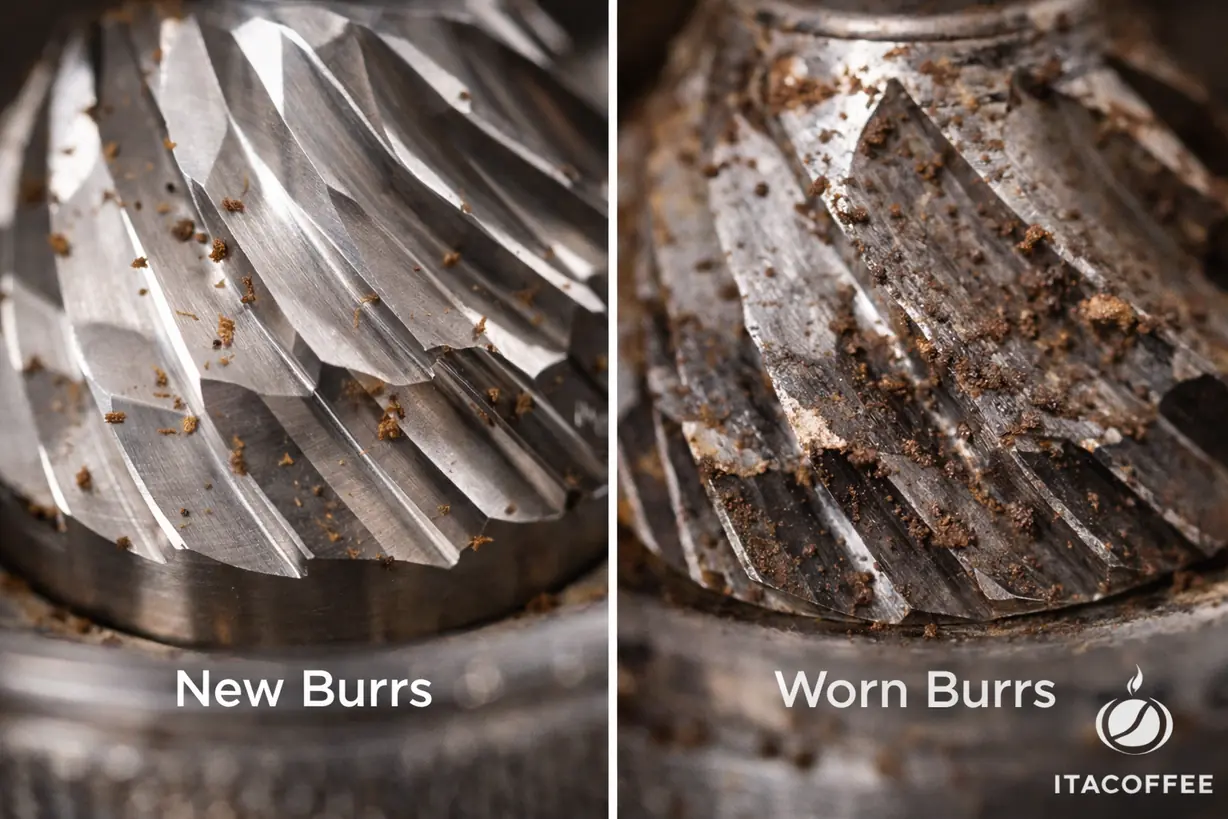
The best manual coffee grinders typically use stainless steel burrs for sharper cutting and narrower particle distribution.
3. Stability and Alignment
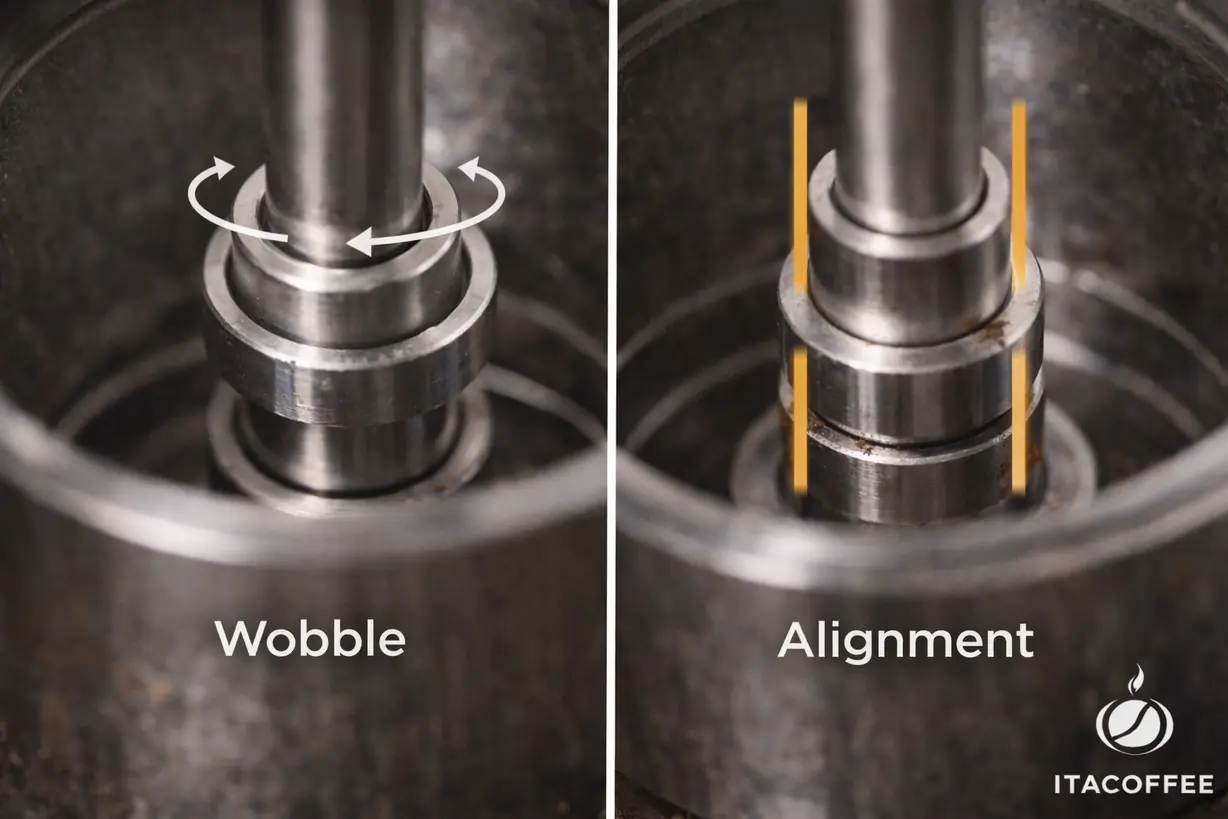
Alignment determines whether a grinder can maintain consistent particle size across repeated use.
4. Grind Adjustment Mechanism
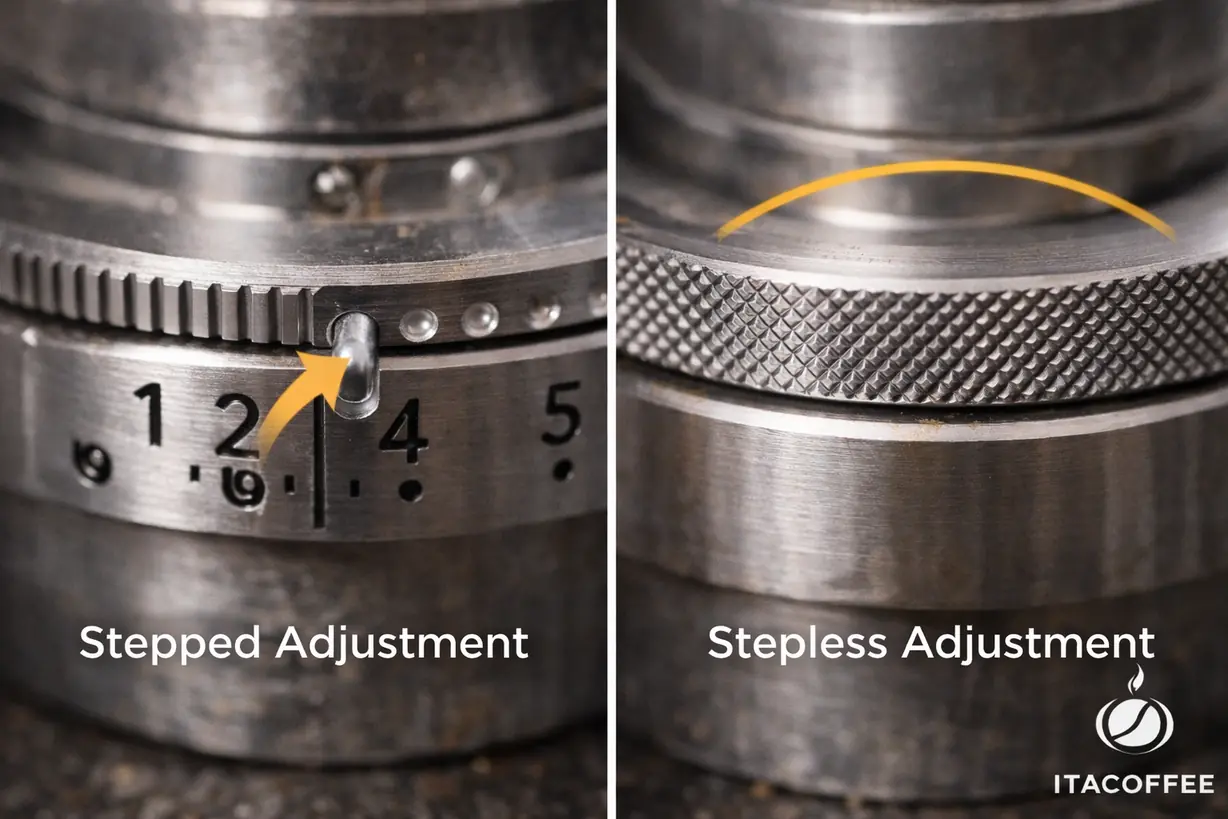
The best manual coffee grinders allow precise adjustment, especially critical for espresso brewing.
See Coffee Brewing Basics for how grind size interacts with extraction variables.
Best Manual Coffee Grinders by Use Case
Pour-Over
The best manual coffee grinders for pour-over produce consistent medium particles with minimal fines.
French Press
For immersion methods, the best manual coffee grinders minimize fines to prevent over-extraction.
Espresso
Only a subset of the best manual coffee grinders are capable of true espresso precision.
Manual vs Electric: Contextual Comparison
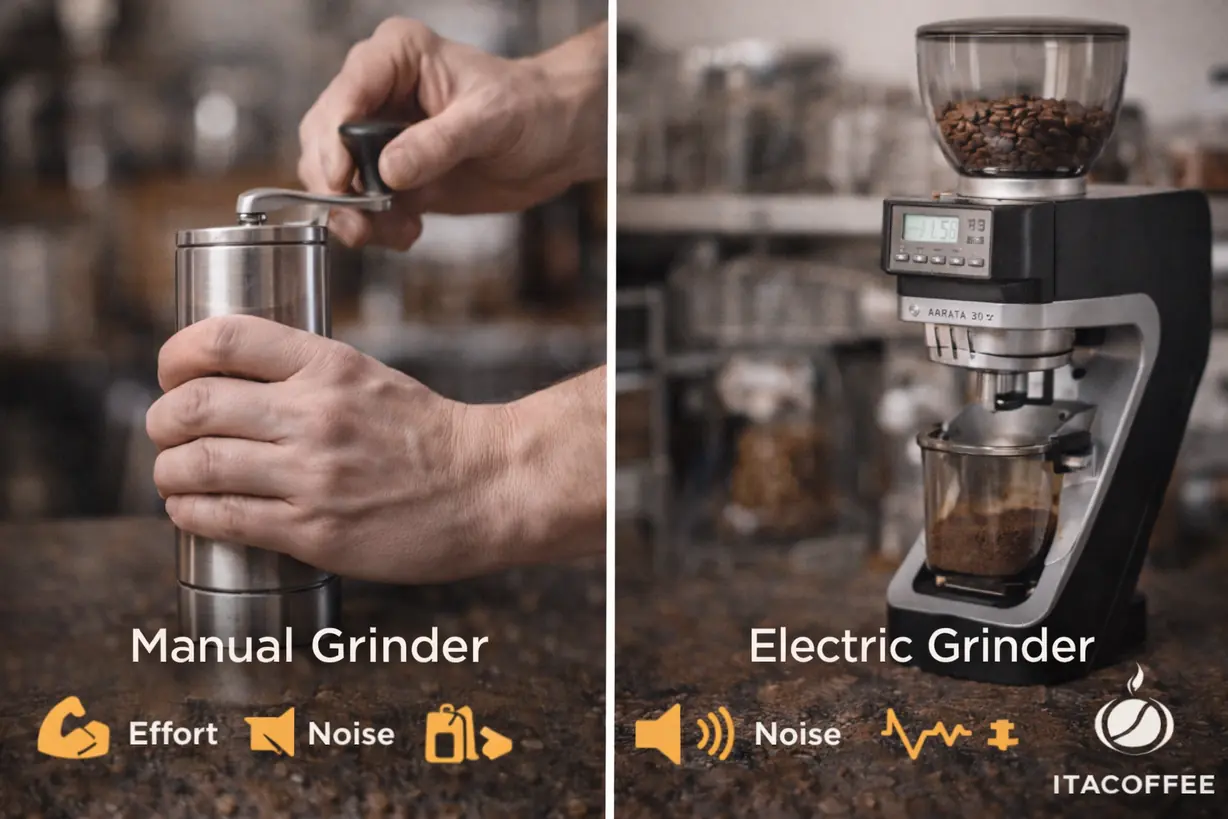
The best manual coffee grinders often outperform entry-level electric grinders in consistency, but require more effort.
Full comparison: Manual vs Electric Coffee Grinder
Final Thoughts
The best manual coffee grinders are defined by:
- Consistent particle size distribution
- Stable burr alignment
- Precise grind control
These variables directly determine extraction quality—not price or branding.
Explore More on ITA Coffee
At Itacoffee, the goal is to understand extraction variables, not chase equipment. Adjust grind size, observe results, and refine your process systematically.
This article was written and optimized with the assistance of AI, reviewed and edited by the itacoffee team.