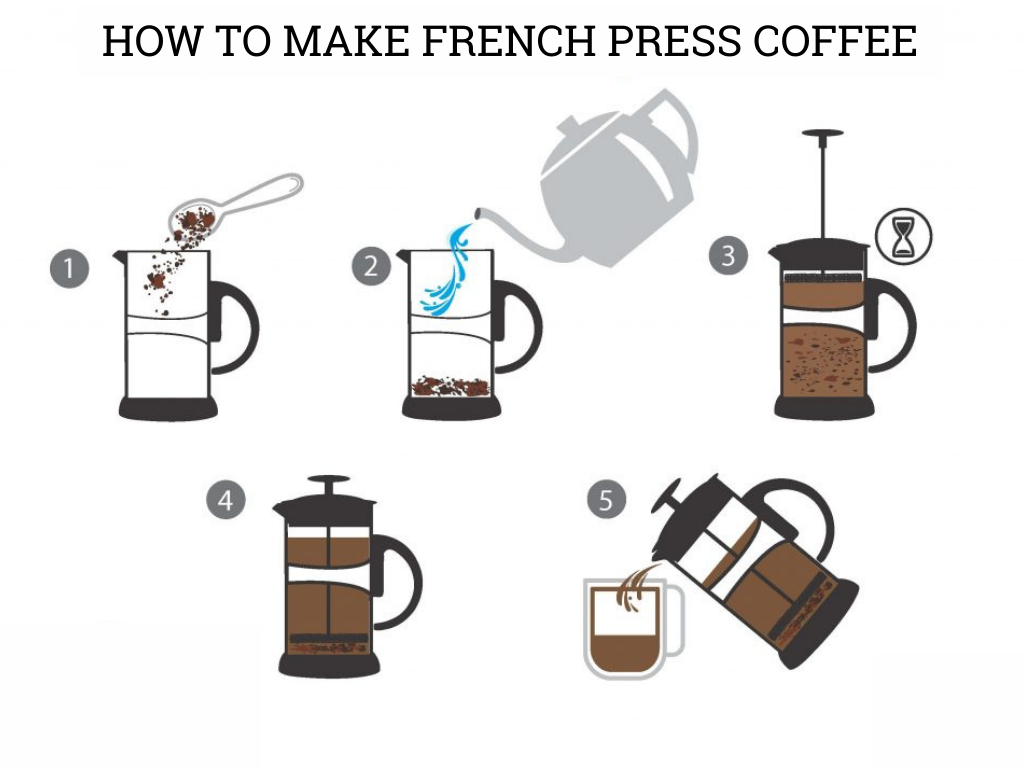
French Press coffee often disappoints people for one simple reason:
the result tastes different every time—sometimes bitter, sometimes muddy, sometimes flat.
This guide focuses on repeatability.
Instead of chasing “the perfect cup,” we’ll build a stable brewing method you can rely on, using clear principles rather than brand hype.
French press is one of the most approachable immersion methods in our complete Brewing Guides collection.
In This Guide
Choosing the Right French Press (Principles Only)
Not all French Presses behave the same, but you don’t need to obsess over brands. Focus on how the tool affects extraction. For a deeper understanding of how extraction works across methods, see Coffee Extraction Explained: How Timing Shapes Flavor.
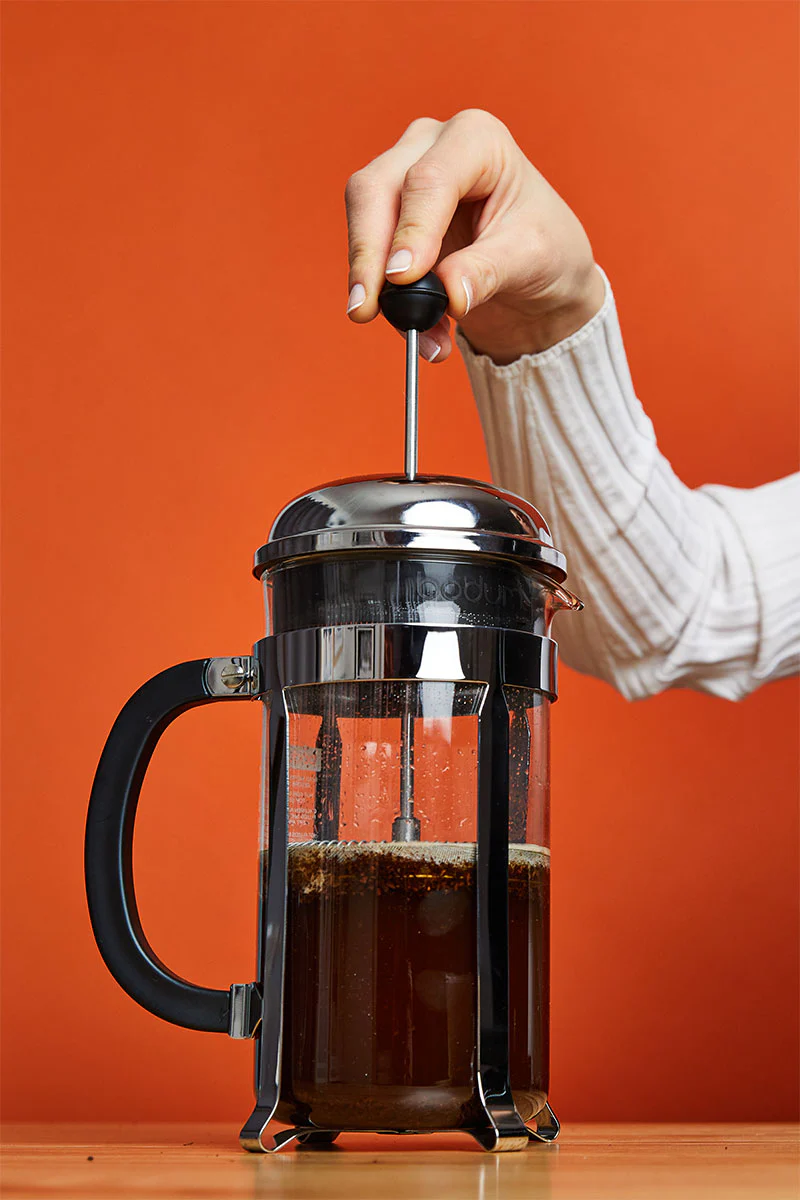
1. Material: Glass vs Stainless Steel
- Glass
- Pros: Neutral taste, easy to see extraction
- Cons: Loses heat quickly
- Stainless Steel
- Pros: Better heat retention, more consistent results
- Cons: Can hide brewing mistakes
Principle:
Better heat retention = more stable extraction.
2. Filter System
- Single metal mesh → more sediment, heavier body
- Double or reinforced mesh → cleaner cup, less sludge
Principle:
Filtration controls mouthfeel, not strength. If you’re unsure how strength differs from extraction, see Is More Coffee Always Stronger? A Brewing Guide to Strength vs Extraction.
3. Size Matters
Choose a size you’ll fully use:
- Brewing too little in a large press = faster heat loss
- Brewing too much = uneven extraction
👉 If you want a structured breakdown of different French Press designs and other brewing tools, see our Coffee Tools: Choosing the Right Gear for Your Brewing Style
Core Brewing Parameters (The Non-Negotiables)
If French Press coffee tastes “off,” it’s almost always one of these three.
These variables—grind size, coffee-to-water ratio, and brewing time—form the foundation of all manual brewing methods.
If you want a deeper explanation of how they interact, see our Coffee Brewing Basics: Grind Size, Ratio, and Time.
While these variables exist in every brew method, the way a method arranges them is what ultimately shapes flavor.
For a clear explanation of why immersion brewing behaves differently from pour over or espresso, see How Brewing Methods Affect Coffee Flavor (From Beans to Cup).
Coffee-to-Water Ratio
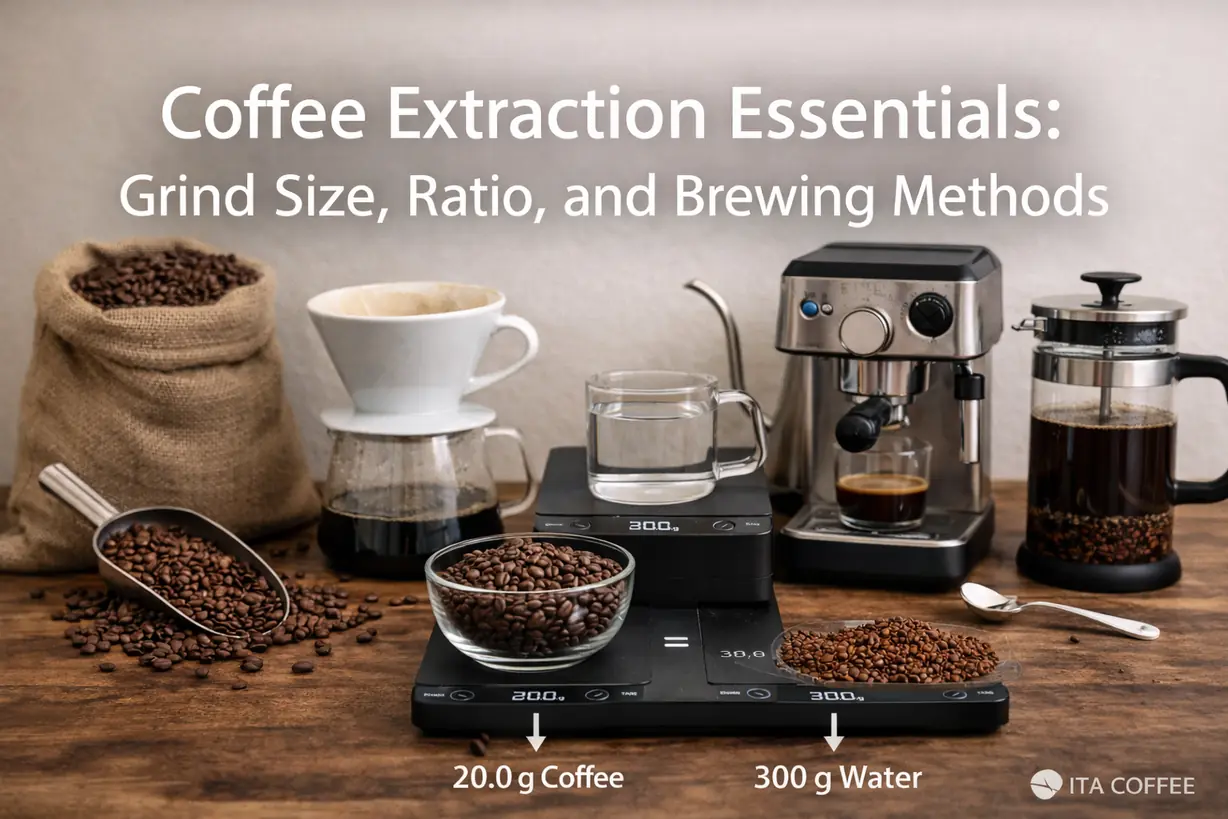
1:15 (by weight)
- 20 g coffee → 300 ml water
- 30 g coffee → 450 ml water
This ratio balances body and clarity without bitterness.
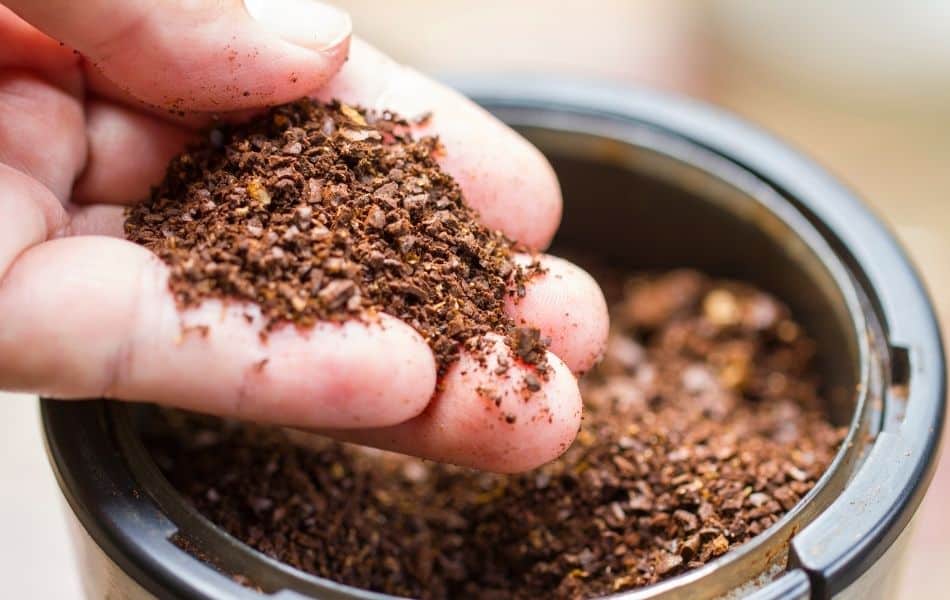
Grind Size
- Coarse, like sea salt
- Too fine → bitterness, heavy sediment
- Too coarse → weak, hollow flavor
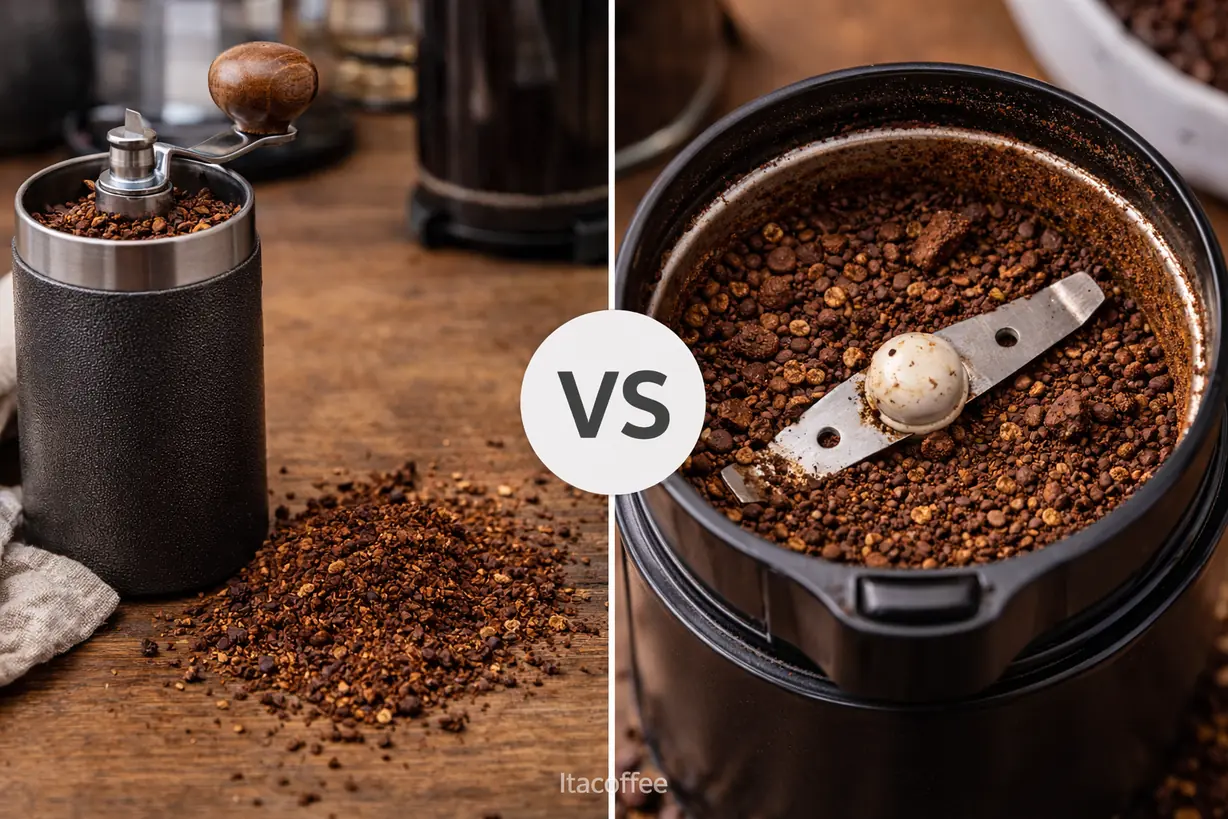
Consistent grind matters more than grinder brand.
Understanding why burr grinders outperform blade grinders is explained in Burr vs Blade Coffee Grinders.
Using fresh ground coffee instead of pre-ground also significantly improves clarity — see Pre-Ground vs Fresh Ground Coffee.
Water Temperature
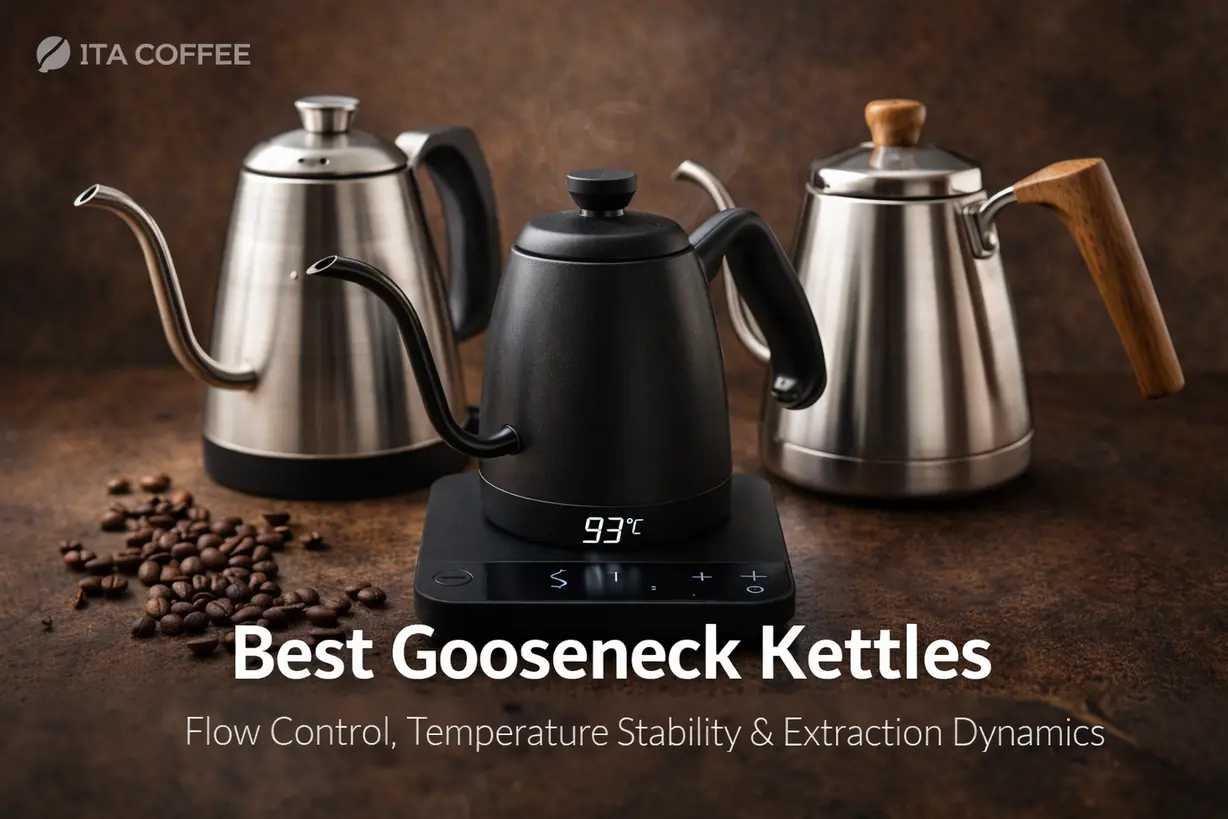
- Ideal range: 90–96°C (195–205°F)
- If water just boiled, wait 30 seconds before pouring
Too hot extracts bitterness. Too cool under-extracts sweetness.
Step-by-Step French Press Method (Stable Version)
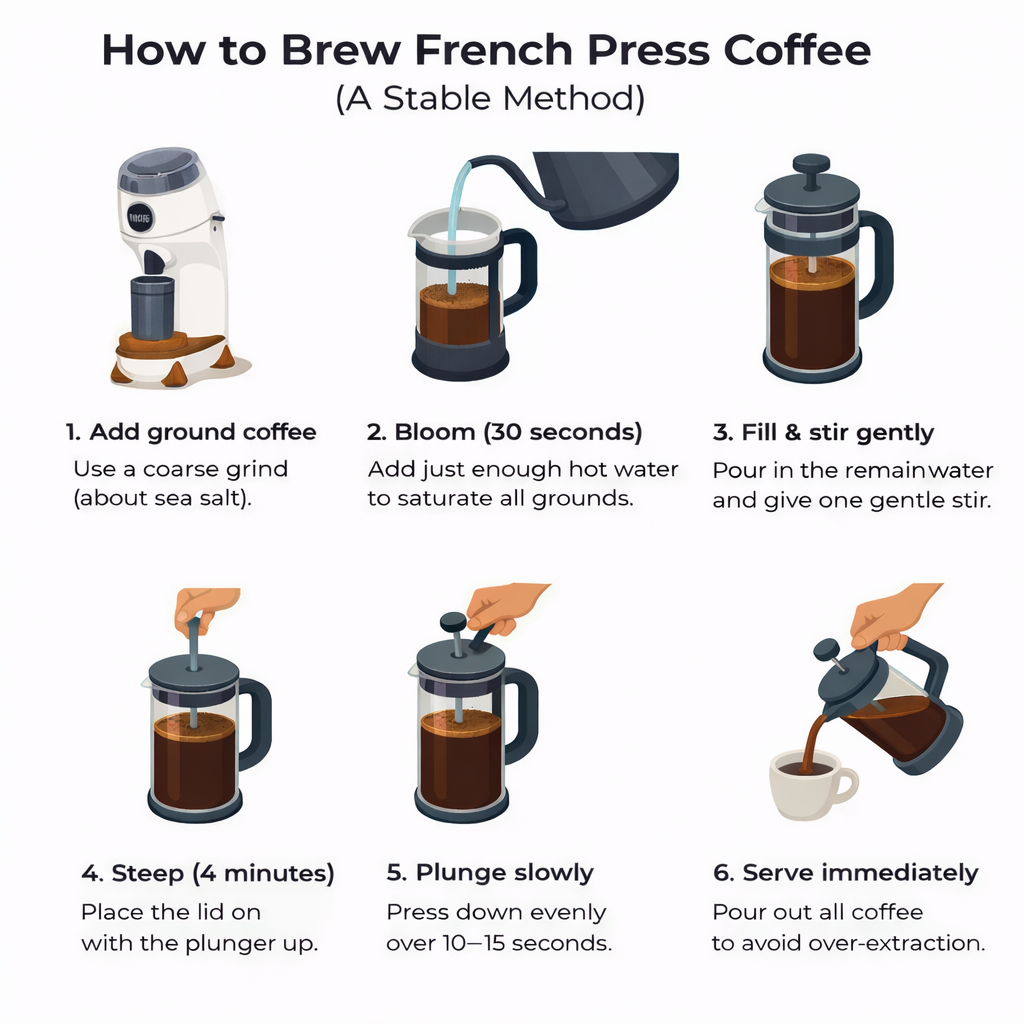
Step 1: Add Coffee
Place ground coffee into the French Press.
Step 2: Bloom (30 seconds)
Add just enough hot water to saturate all grounds.
This releases trapped gas and improves flavor clarity.
If you’re unfamiliar with blooming and why fresh coffee bubbles, see What Is Coffee Blooming?.
Step 3: Fill & Stir
Pour remaining water evenly.
Give one gentle stir—no aggressive mixing.
Step 4: Steep (4 minutes)
Put the lid on, plunger up.
Let extraction happen undisturbed.
French press relies on full immersion extraction, where time directly shapes balance — explained in detail in Coffee Extraction Explained.
French press brewing uses full immersion, allowing coffee grounds to stay in contact with water throughout the entire brew—similar in structure to cold brew, but using hot water and much shorter extraction time.
Many improvements in French press coffee come from controlling variables like ratio, grind size, and time rather than changing equipment.
This is covered in more detail in our guide on brewing better coffee at home without buying new gear.
Step 5: Plunge Slowly
Press down slowly and evenly over 10–15 seconds.
Step 6: Serve Immediately
Pour out all coffee once brewed.
Leaving it in the press continues extraction and adds bitterness — explained in Why Your Coffee Tastes Bitter or Sour.
Final Notes from itacoffee
French Press brewing rewards understanding, not perfection.
Once you control grind size, water temperature, and timing, the method becomes predictable—and enjoyable.
If you want to explore the broader principles behind brewing and extraction, visit our Coffee Knowledge section.
At itacoffee, we focus on helping you brew with confidence, not selling shortcuts.
Learn the principles, adjust intentionally, and your coffee will improve naturally.
This article was written and optimized with the assistance of AI, reviewed and edited by the itacoffee team.


Leave a Reply