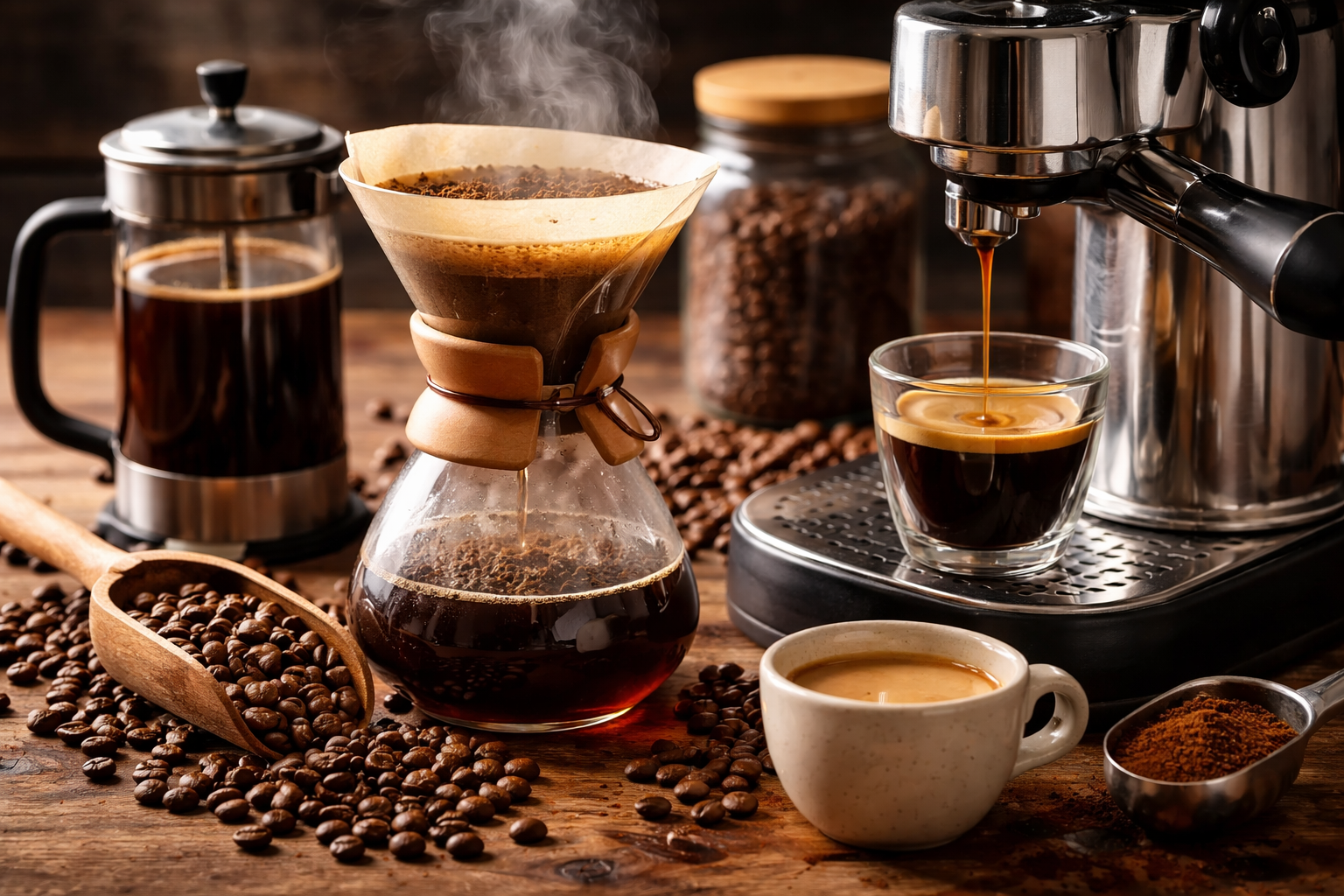
Coffee doesn’t change after roasting—but the way we brew it decides which parts of the bean make it into the cup. Two people can use the same beans, the same water, even the same grinder—and still end up with cups that taste nothing alike. The reason is simple but often misunderstood: brewing method controls extraction behavior, and extraction controls flavor. This guide walks from beans to cup, explaining how and why different brewing methods reshape taste—without sales talk, without gear obsession.
In This Guide
Brewing Is Flavor Selection, Not Flavor Creation
Roasted coffee contains hundreds of soluble compounds: acids, sugars, bitters, aromatics. Brewing does not invent flavors. It selects them.
If you want a deeper look at why timing matters so much in this selection process, see Coffee Extraction Explained: How Timing Shapes Flavor.
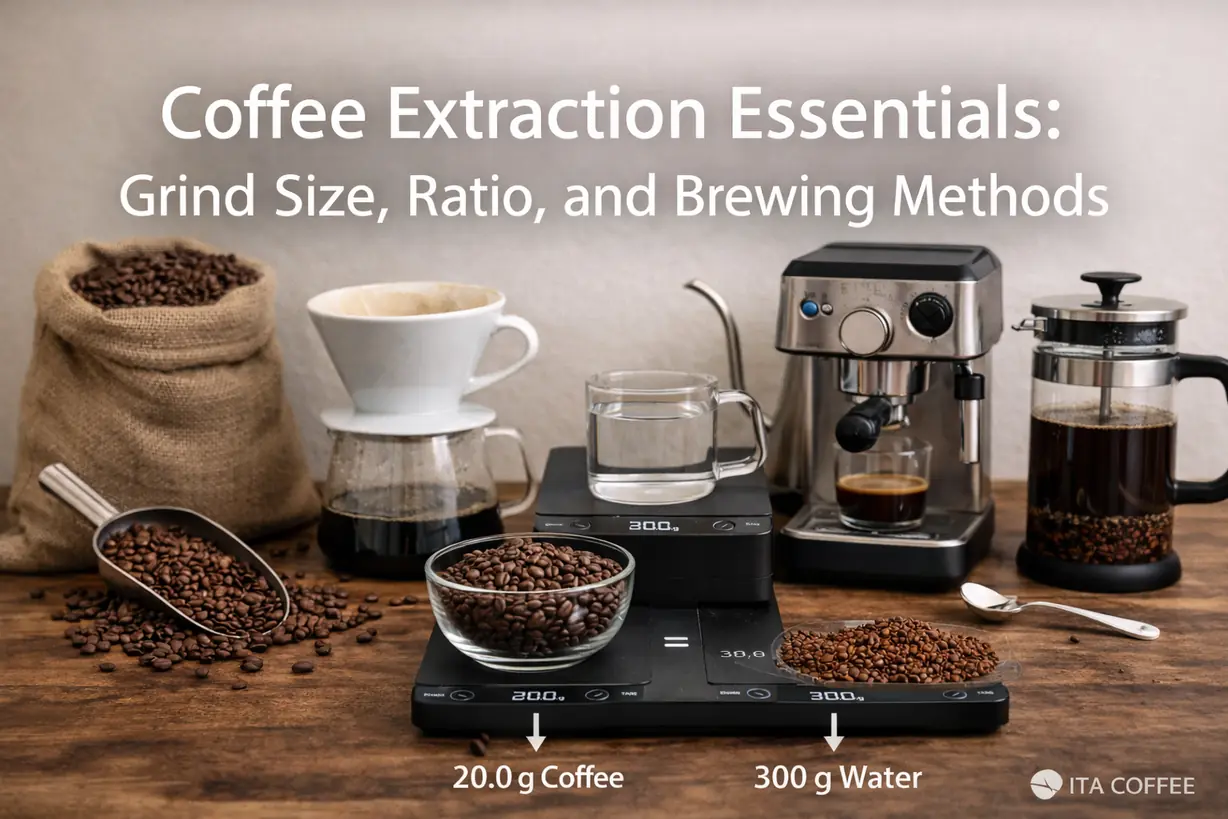
Strength and extraction are often confused. Using more coffee can increase concentration, but it does not automatically improve extraction balance—a distinction explored in Is More Coffee Always Stronger? A Brewing Guide to Strength vs Extraction.
Every brewing method answers three quiet questions:
- How long does water stay in contact with coffee?
- How does water move through the grounds?
- How evenly is extraction distributed?
These variables are explored in more detail in Coffee Brewing Basics: Grind Size, Ratio, and Time.
Immersion Brewing: Even, Gentle, Forgiving
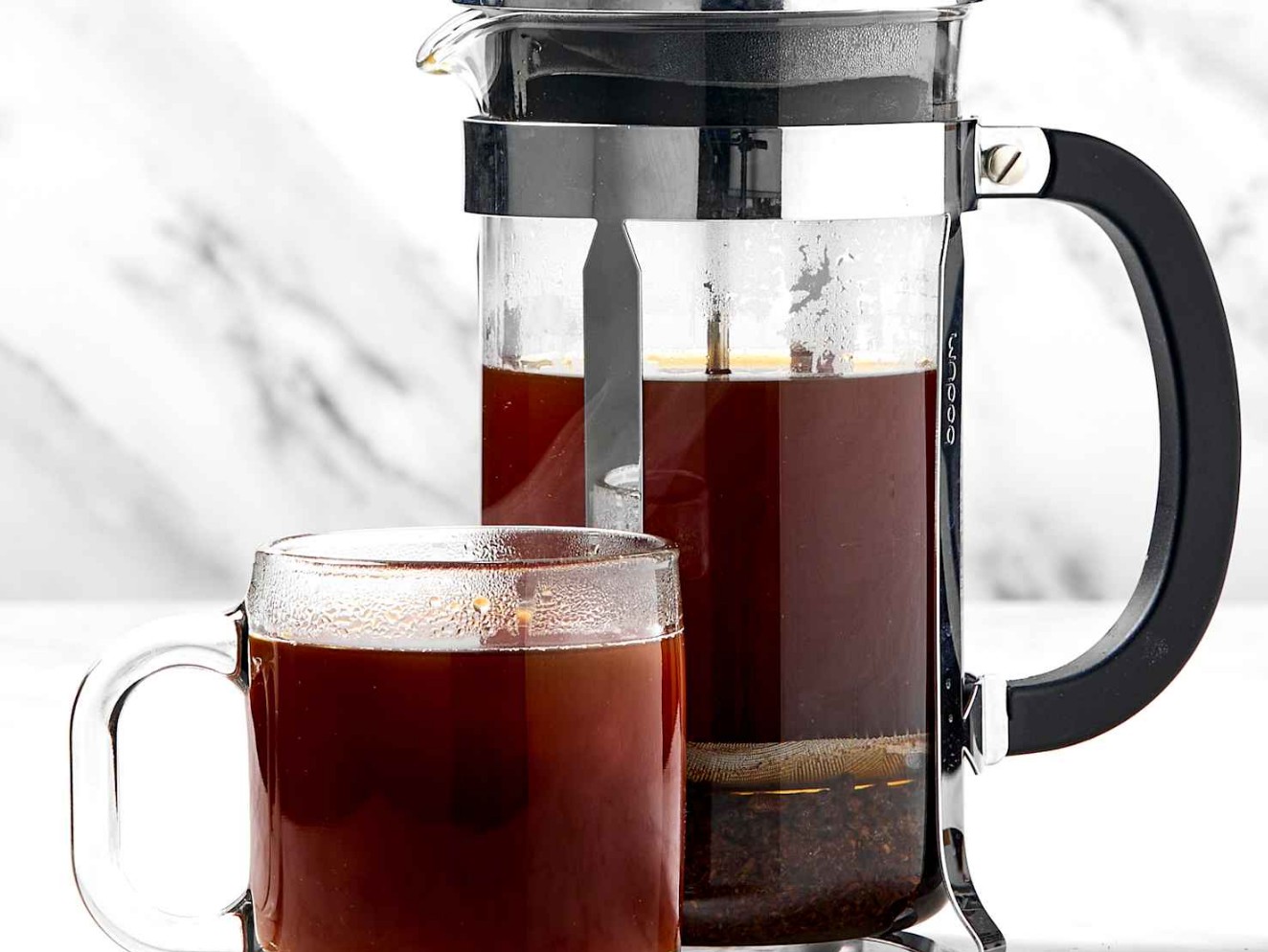
In immersion methods, coffee grounds sit fully submerged in water for a set time. Extraction happens gradually and relatively evenly.
What immersion emphasizes
- Softer acidity
- Fuller body
- Rounded, blended flavors
Because all grounds share the same water, over- and under-extraction tend to average out. This is why immersion methods feel forgiving—and why they often taste cohesive rather than sharp.
Classic examples include the French Press,
the AeroPress, and long-contact methods like cold brew.
Flavor clarity is slightly muted, but balance is strong.
Percolation Brewing: Directional, Dynamic, Precise
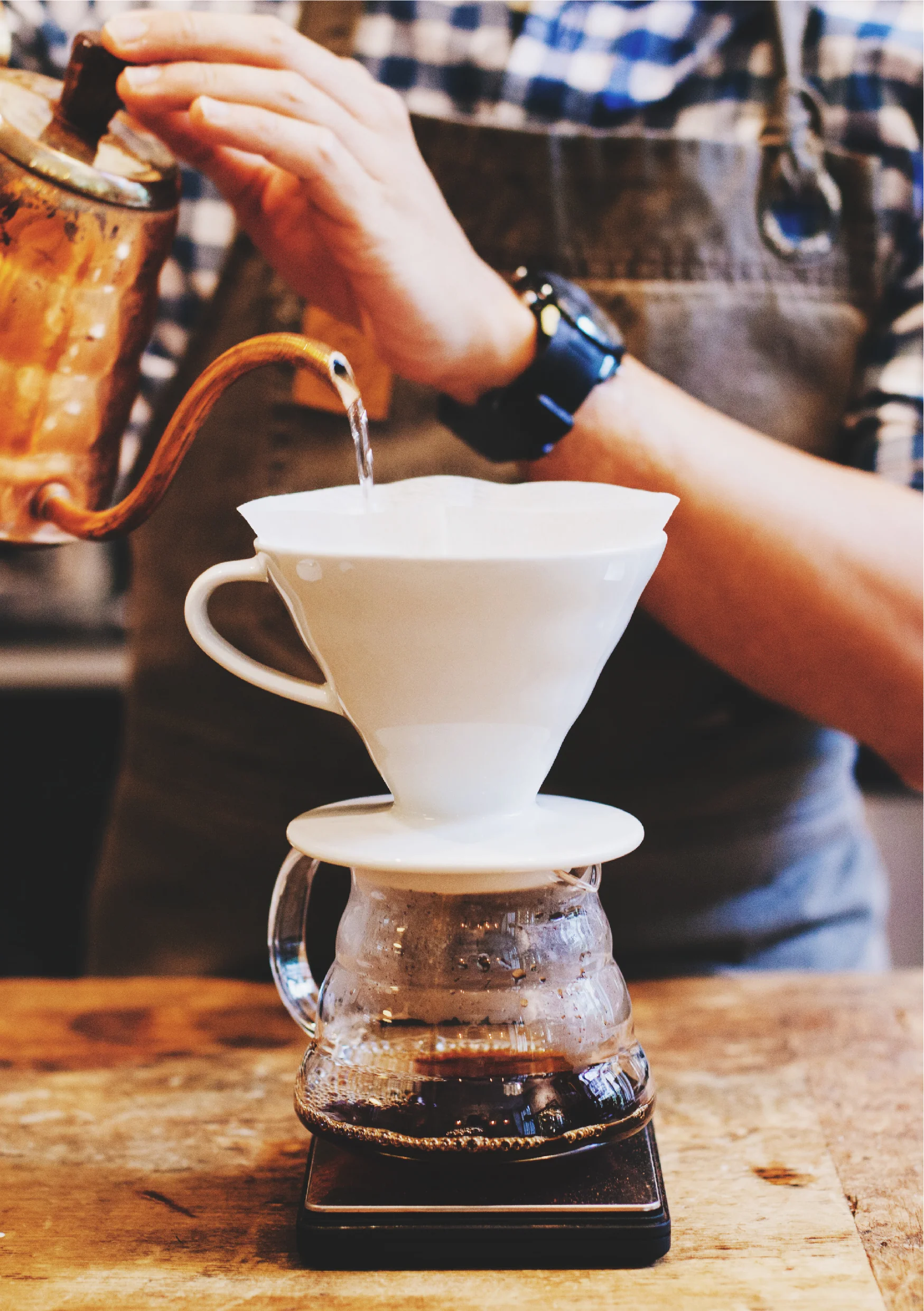
Percolation methods send fresh water through a bed of coffee, then away. Extraction changes second by second as water moves.
What percolation emphasizes
- Bright acidity
- Clear flavor separation
- Higher aromatic detail
Because water is constantly renewed, early-extracting acids and aromas shine. That early phase of extraction—often referred to as the bloom—plays a major role in flavor clarity. If you want to understand why fresh coffee bubbles during this stage, see What Is Coffee Blooming? Why Fresh Coffee Bubbles and Why It Matters.
But uneven pouring, grind inconsistency, or channeling can skew results quickly.
Even dripper shape influences how water flows through the bed. The structural difference between flat-bottom and conical designs is explored in Flat-Bottom vs Conical Drippers: How Shape Changes Coffee Flavor.
A clear example of controlled percolation in practice can be found in the Pour Over (V60) Brewing Guide.
Pressure Brewing: Fast Extraction Under Force
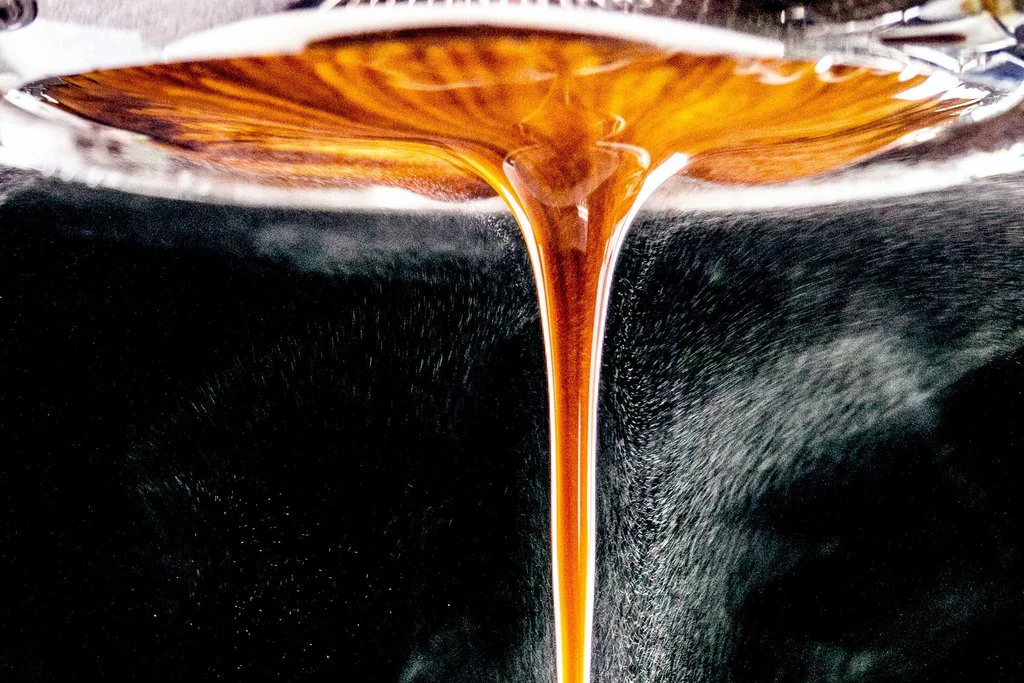
Pressure brewing forces water through tightly packed coffee at high pressure, extracting rapidly.
What pressure changes
- Extracts oils and emulsifies them
- Compresses extraction into seconds
- Intensifies mouthfeel and flavor density
Pressure doesn’t just make coffee stronger—it changes texture. That syrupy body and crema come from emulsified oils that don’t appear the same way in other methods.
If you want to see how this works in practice, start with How to Make Espresso.
Stovetop systems such as the Moka Pot
also demonstrate how pressure alters flavor intensity in a different way.
Flavor becomes concentrated, layered, and sometimes unforgiving.
Filtration and Contact: The Quiet Flavor Shapers
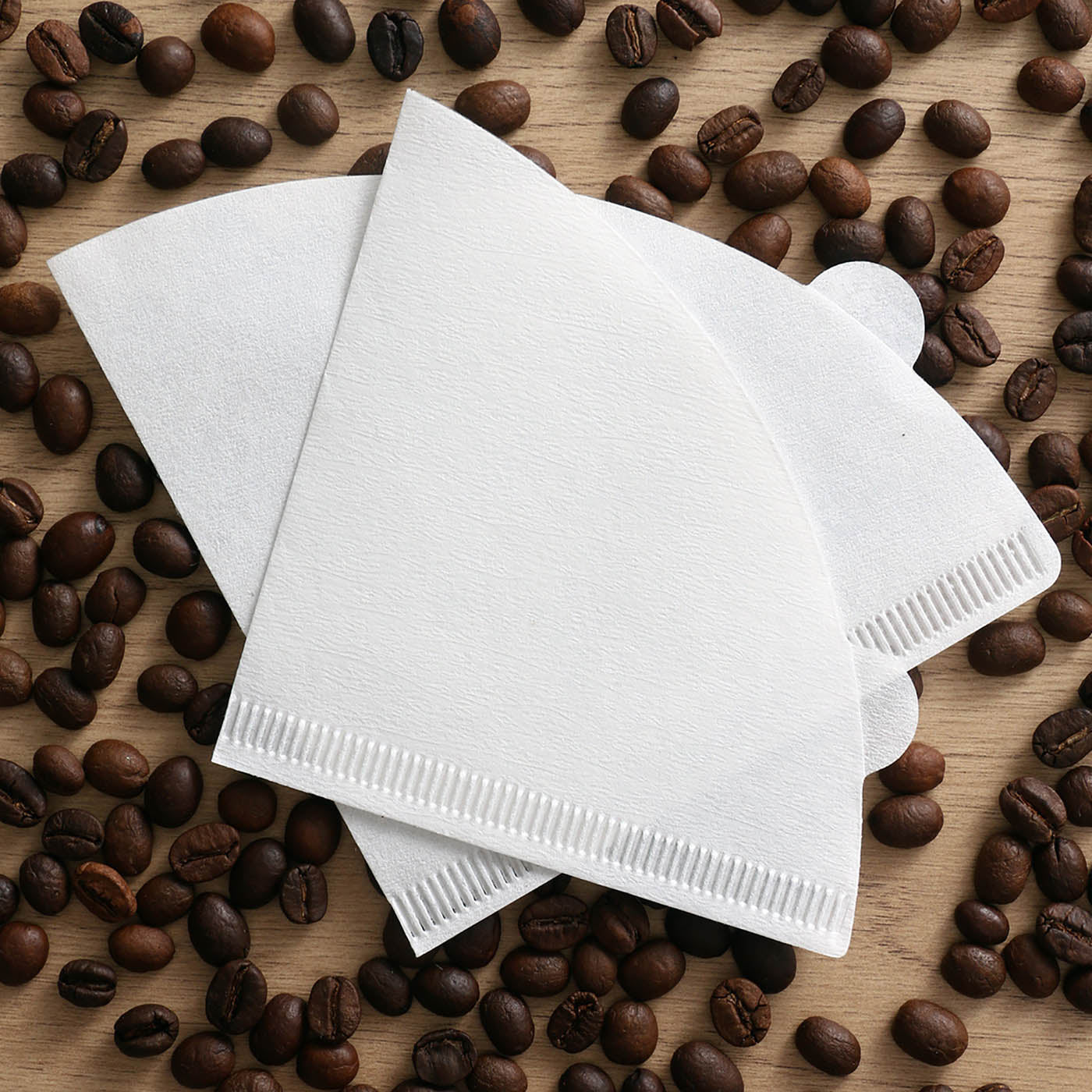
Filters decide what stays in the cup.
- Paper filters trap oils → cleaner taste, brighter perception
- Metal filters pass oils → heavier body, muted acidity
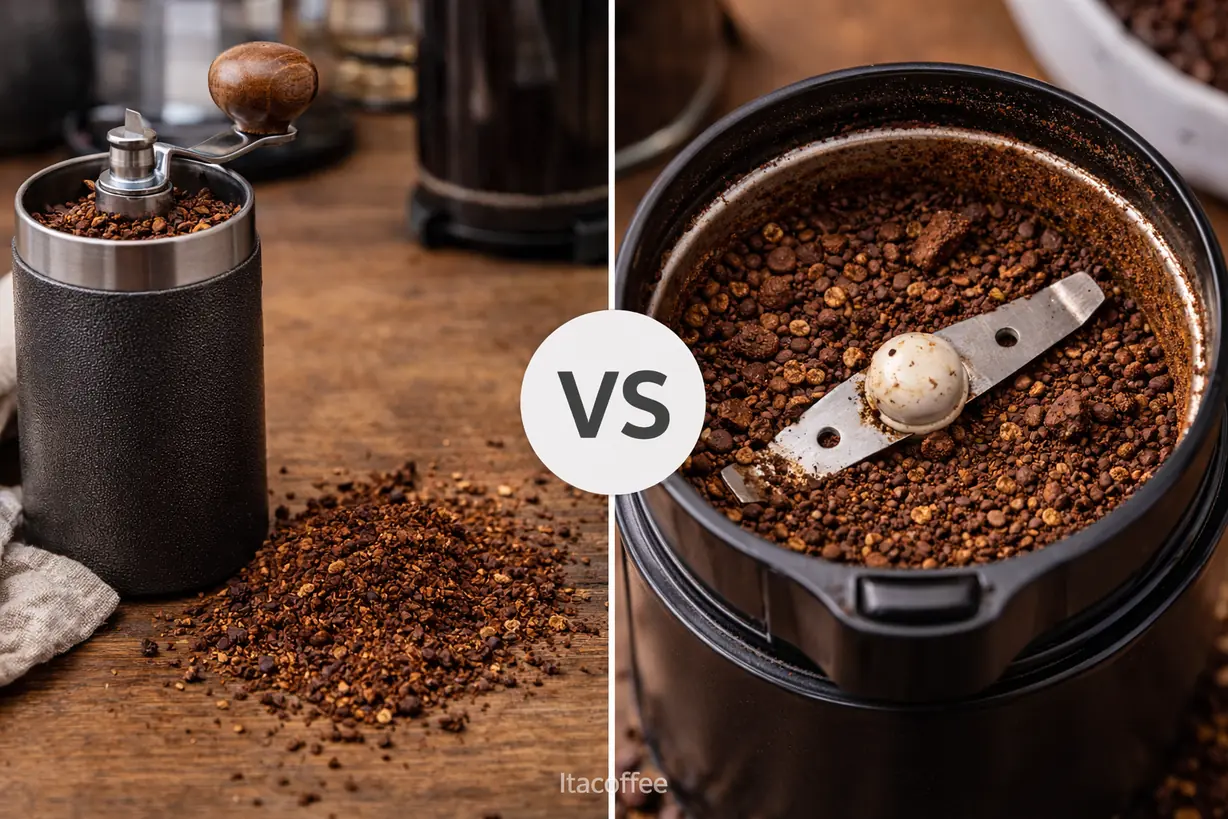
Contact time interacts with filtration—but extraction uniformity also depends on grind consistency. Uneven particle size creates uneven extraction, a difference explained in Burr vs Blade Coffee Grinders: What’s the Real Difference and Why It Matters.
The impact of grind freshness is explored in Pre-Ground vs Fresh Ground Coffee,
and choosing between hand-powered and electric grinders is discussed in Manual vs Electric Coffee Grinder: How to Choose Based on How You Brew.
Long immersion with metal filtration yields weight and depth. Short contact with paper filtration yields clarity and lift. Neither is “better.” They answer different flavor questions.
Same Bean, Different Cups: Why This Matters
A washed Ethiopian coffee might taste:
- Floral and tea-like in pour-over
- Juicy and soft in immersion
- Dense and cocoa-sweet under pressure
The bean didn’t change. The extraction pathway did.
If you want to refine your results without upgrading equipment, see How to Brew Better Coffee at Home (Without Buying New Gear).
Roasting sets potential flavor structure, while brewing determines how that structure is expressed. If you want to understand what roasting changes before brewing even begins, see Dark Roast vs Light Roast: What Roasting Really Changes in Coffee Flavor.
When flavors go wrong, the issue is usually extraction—not the beans themselves. This idea is explored further in Why Your Coffee Tastes Bitter or Sour — And What Extraction Has to Do With It.
Understanding this prevents two common mistakes:
- Blaming beans for brewing issues
- Buying new gear instead of adjusting method logic
As discussed in Why Expensive Coffee Gear Doesn’t Fix Bad Coffee, equipment cannot compensate for misunderstood extraction.
Once you understand method behavior, brewing becomes predictable—not mystical.
Brewing Method Is a Design Choice
Think of brewing methods as lenses, not recipes.
Each one highlights certain compounds and downplays others.
Choosing a method is choosing which parts of the coffee you want to hear the loudest.
Clarity or comfort.
Precision or forgiveness.
Brightness or body.
None of these are trends. They are structural outcomes.
If you want a broader framework connecting tools and brewing logic, see Coffee Tools: Choosing the Right Gear for Your Brewing Style.
Final Thought from ITA Coffee
This guide is meant to be a foundation, not a recipe.
If you’re exploring the broader principles behind brewing, visit Coffee Knowledge,
or browse our complete Brewing Guides collection.
At itacoffee, we don’t believe great coffee comes from chasing perfect numbers or expensive tools.
It comes from understanding cause and effect.
When coffee tastes wrong, it’s not failing — it’s talking.
Bitterness and sourness are feedback, not mistakes.
Learn to read the signals, and every brew becomes a lesson instead of a disappointment.
— itacoffee | Brewing Guides for curious, thoughtful coffee makers
Editorial note: This article was developed with AI-assisted drafting and human review to ensure clarity, accuracy, and a non-commercial educational tone.