Coffee advice often sounds absolute: “Always grind fresh.”
But real brewing is messier than slogans.
If you’ve ever wondered whether pre-ground coffee is truly “bad,” or what you actually gain by grinding fresh, this guide breaks the question down the way a brewing instructor would—not a salesperson.
In This Guide
What Happens the Moment Coffee Is Ground
Whole coffee beans are remarkably stable. Their structure protects aromatic compounds inside the cell walls.
Grinding breaks that protection. Surface area increases dramatically—which helps extraction—but it also exposes volatile aromatics to oxygen.
From that moment on, two things happen simultaneously:
- Aromas begin to evaporate
- Oxidation starts flattening flavor complexity
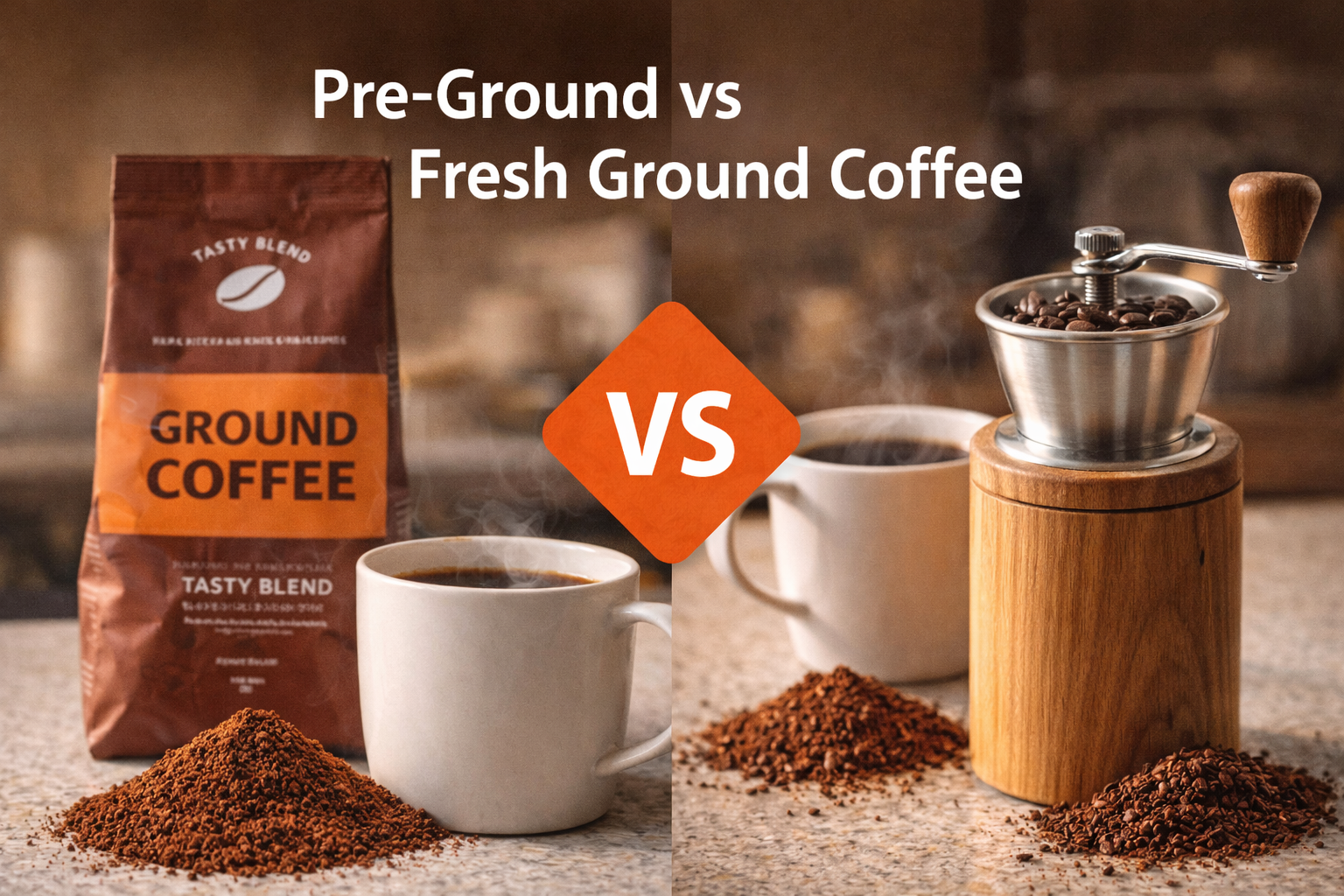
This is the core difference between pre-ground and freshly ground coffee.
In other words, extraction doesn’t start when hot water hits coffee—it begins the moment the bean is broken apart.
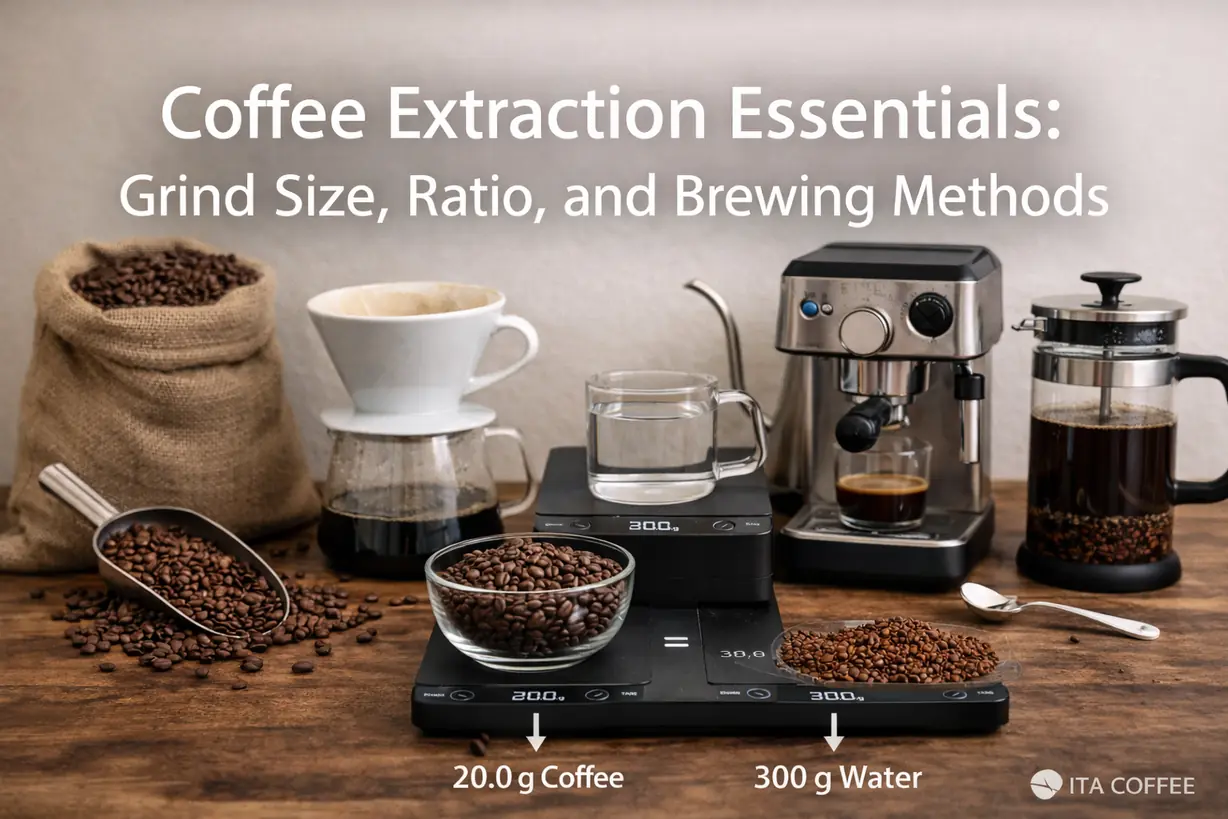
If you want to understand how grind size, contact time, and dose work together in that process, this foundational guide on grind size, ratio, and time explains the mechanics clearly.
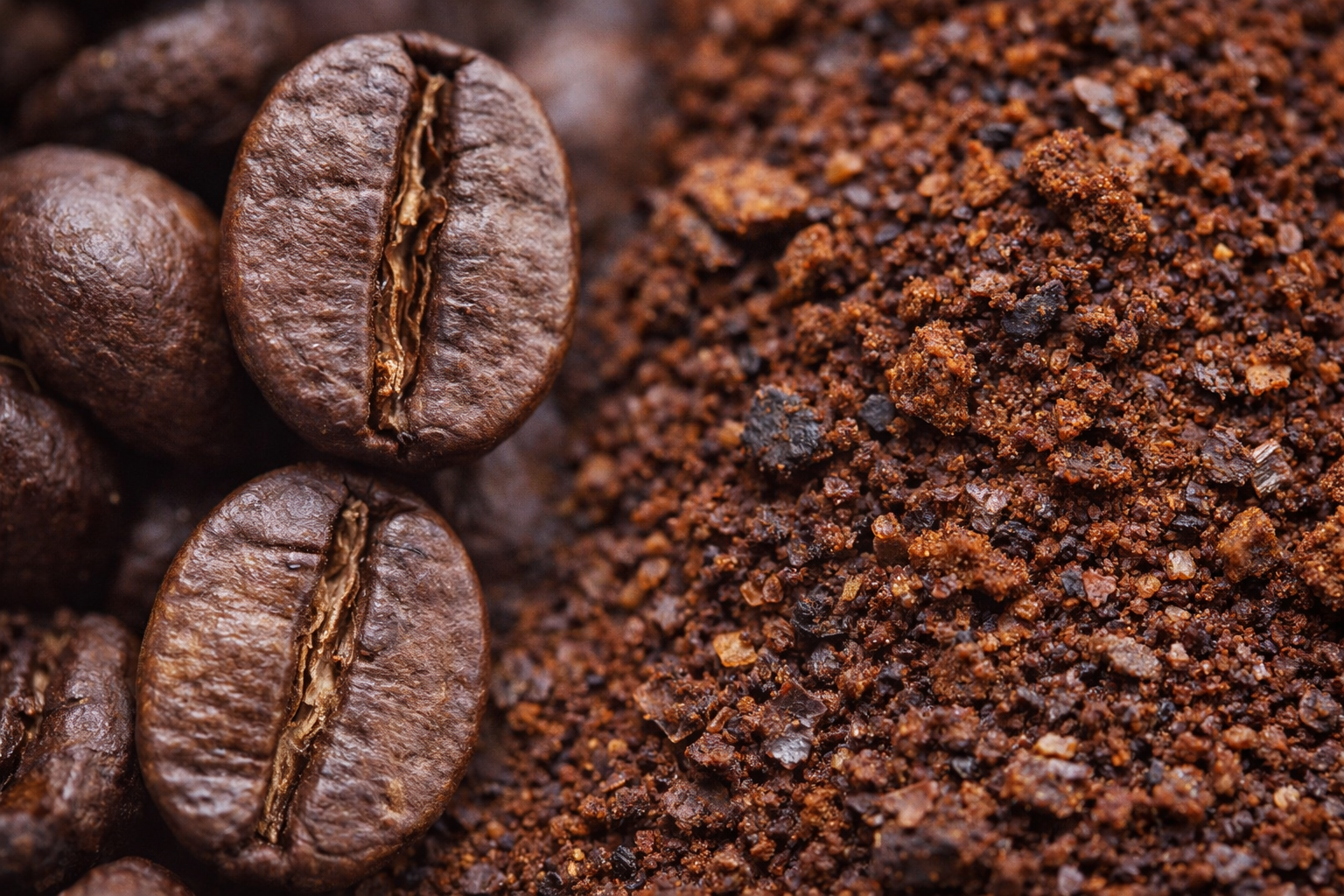
Flavor: Why Fresh Ground Often Tastes “More Alive”
Freshly ground coffee tends to taste brighter, clearer, and more layered.
That’s not magic—it’s chemistry.
When you grind just before brewing, more aromatic compounds survive long enough to reach your cup. These are the notes people describe as floral, citrusy, or sweet.
Pre-ground coffee isn’t necessarily unpleasant, but it often tastes:
- Flatter
- Less expressive
- More dominated by bitterness
If coffee consistently tastes bitter or sharply sour, that imbalance is usually tied to extraction and grind behavior rather than the beans themselves. This guide on why coffee tastes bitter or sour breaks that feedback down in practical terms.
Roast level also interacts with freshness. Darker roasts tend to lose volatile aromatics faster after grinding, which we explain in more detail in Dark Roast vs Light Roast.
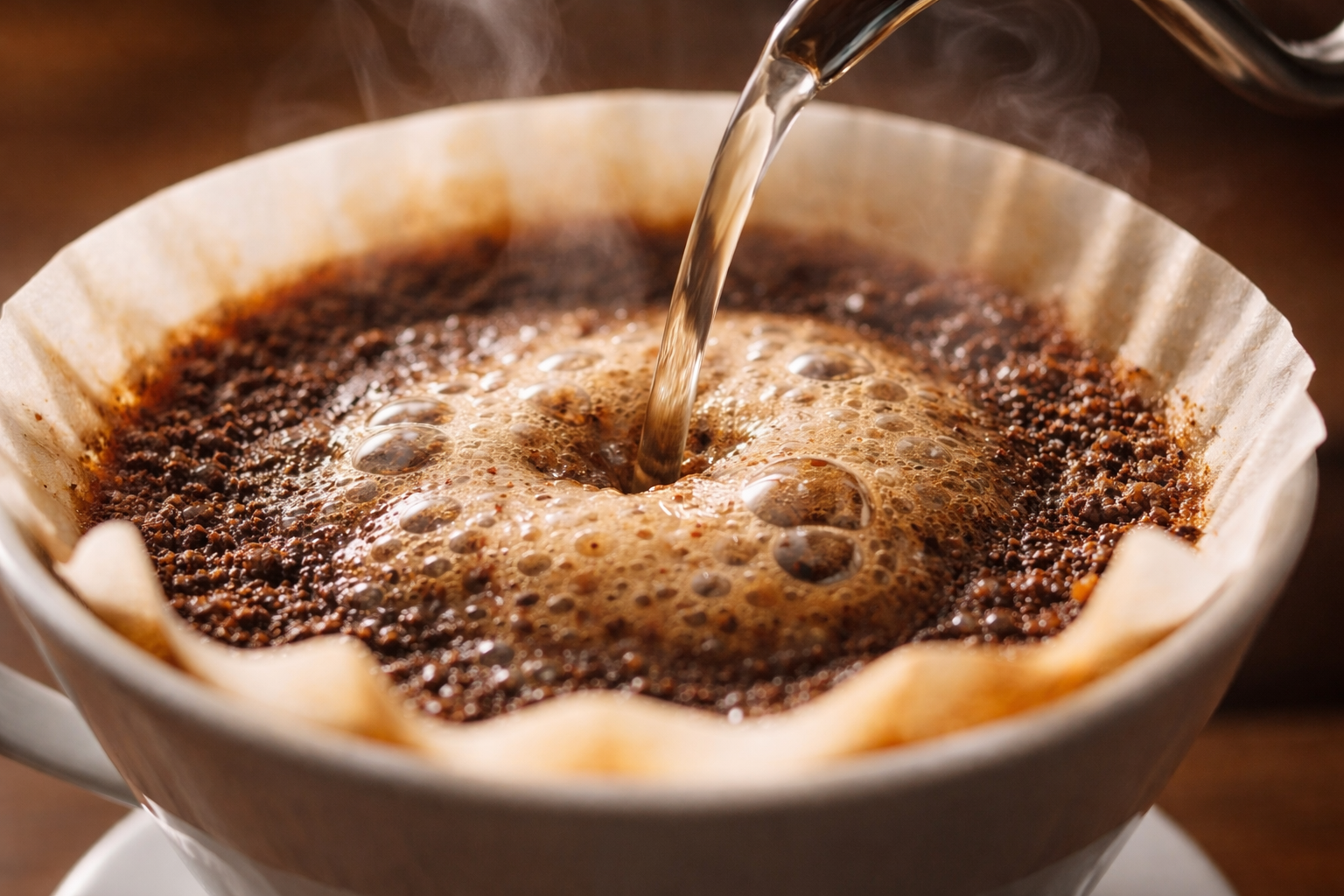
Extraction Control: The Overlooked Advantage of Grinding Fresh
Grinding fresh isn’t just about freshness—it’s about control.
Different brewing methods require different grind sizes.
French press prefers coarse grinds. Espresso demands extremely fine and consistent ones.
Pre-ground coffee is produced to be broadly usable, which means it’s optimized for no method in particular.
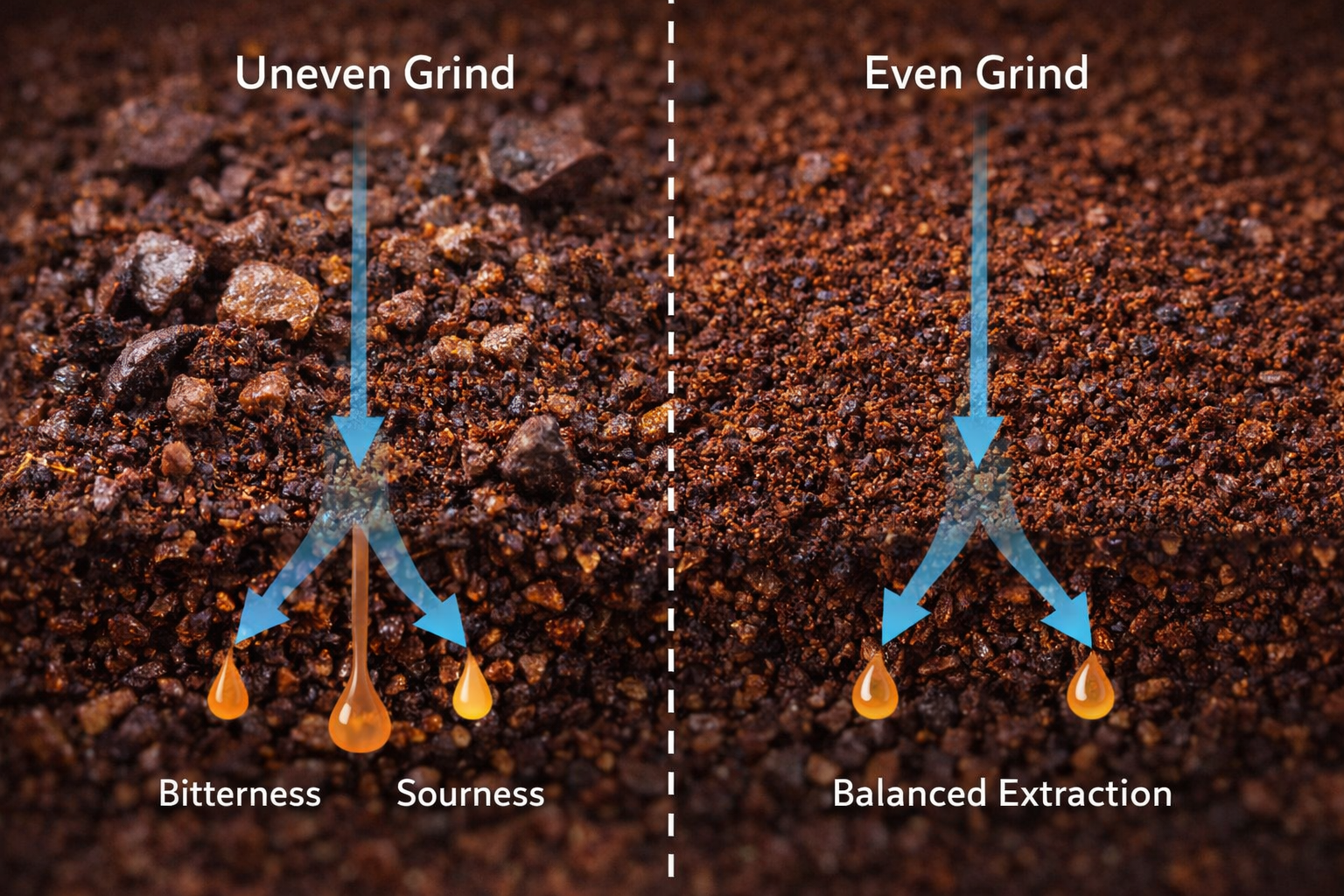
When grind size doesn’t match the brewer:
- Some particles over-extract (bitterness)
- Others under-extract (sourness)
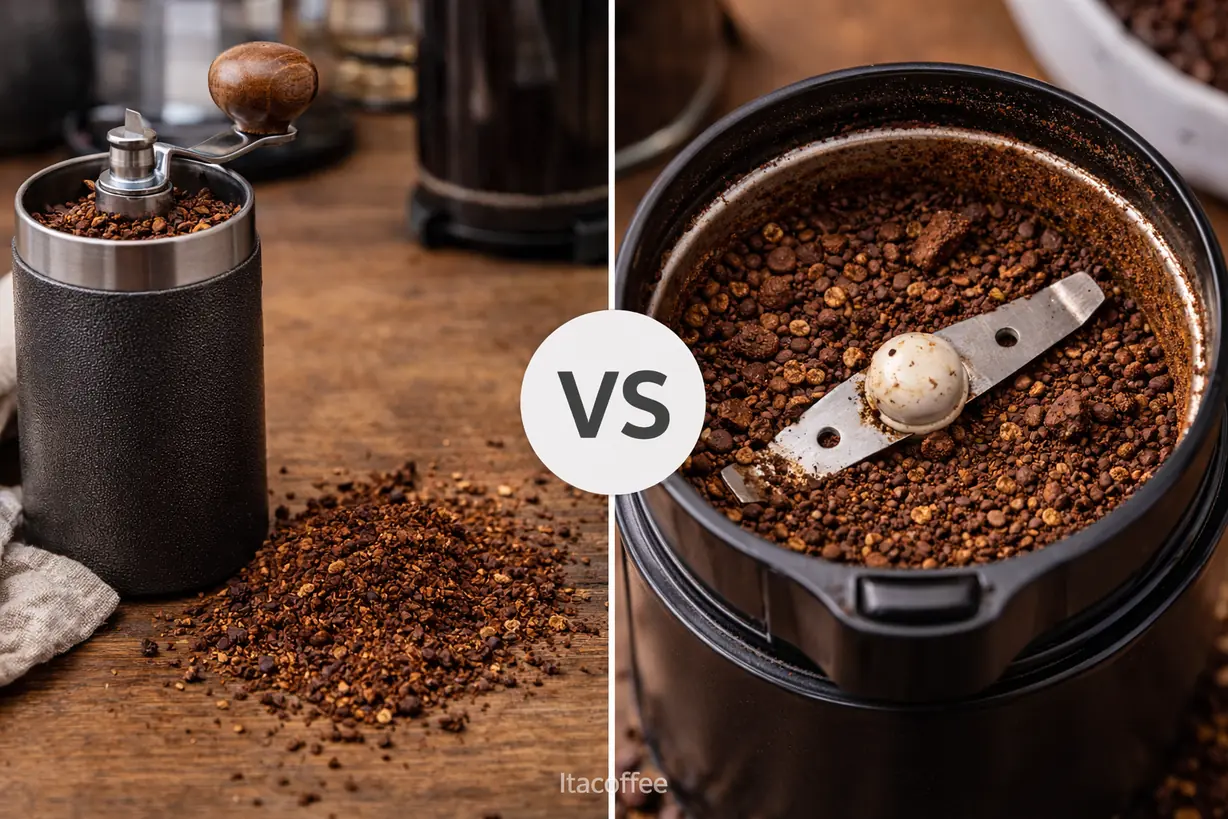
This imbalance is closely tied to grind consistency itself, which is why the difference between burr and blade grinders matters far more than brand names or price points.
If that distinction feels fuzzy, this breakdown explains why consistency quietly controls extraction.
If you’re deciding what type of grinder fits your routine, manual vs electric grinders each introduce different trade-offs in speed, control, and workflow.
Fresh grinding lets you tune extraction, not just accept it.
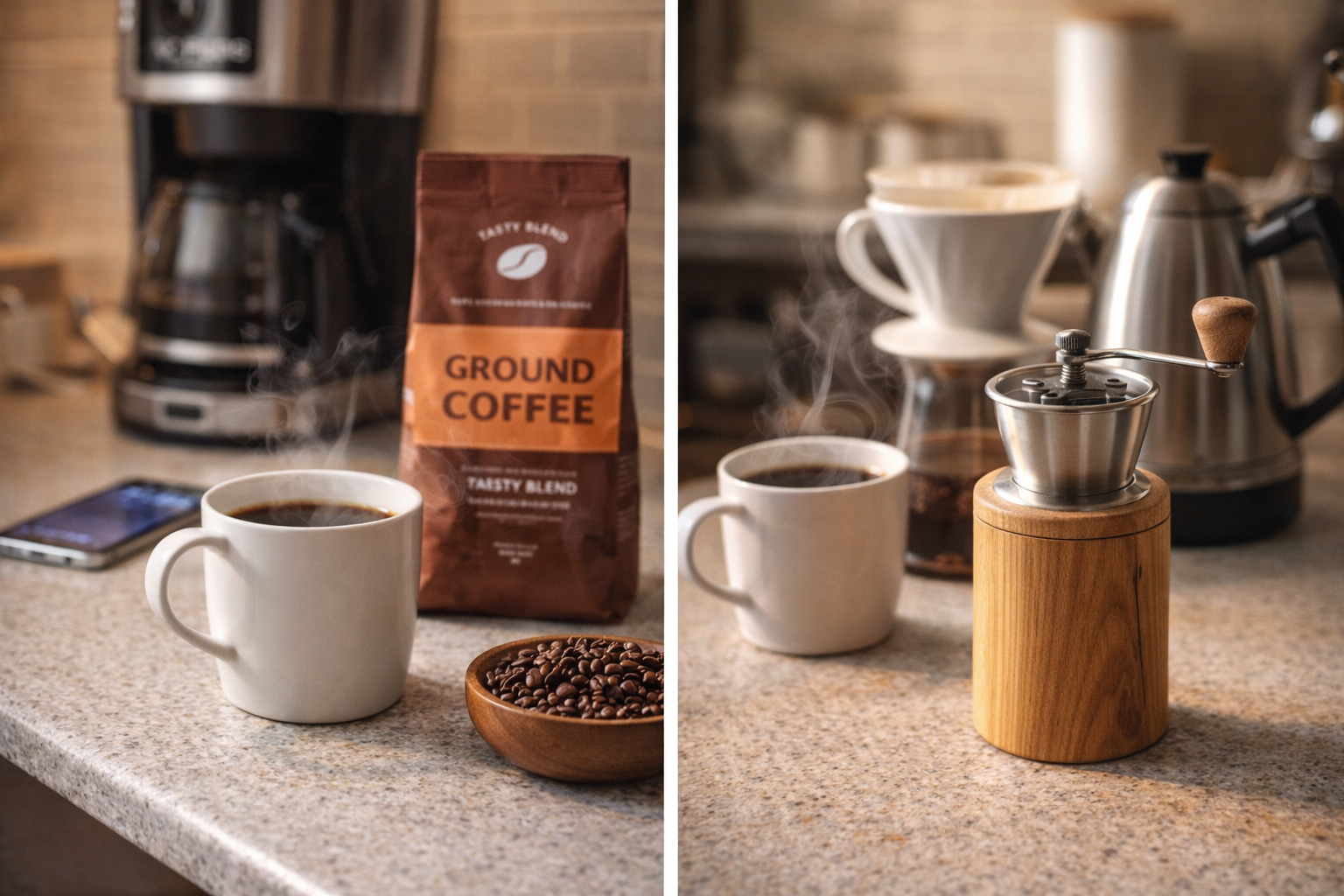
Convenience vs Consistency: The Real Trade-Off
Pre-ground coffee exists for a reason: convenience.
It’s fast, predictable, and requires no equipment. For many daily routines, that matters more than perfect flavor.
Fresh grinding introduces variables:
- Grinder quality
- Grind consistency
- Dialing in settings
Better results are possible—but they require attention.
This is why the question isn’t “Which is better?”
It’s “Which trade-off are you choosing today?”
When Pre-Ground Coffee Makes Sense
Despite what purists say, pre-ground coffee can be reasonable when:
- You value speed over nuance
- You brew with forgiving methods (like drip machines or French press)
- You finish the bag quickly after opening
Immersion methods like French press or longer-contact approaches such as cold brew tend to be more forgiving of minor grind inconsistencies.
In these cases, freshness loss may be noticeable—but not fatal.
When Fresh Ground Coffee Is Worth the Effort
Grinding fresh matters most when:
- You brew manually (pour-over, espresso)
- You care about origin-specific flavors
- You want repeatable, adjustable results
For example, dialed-in methods like V60 pour over or properly extracted espresso depend heavily on precise grind control.
Here, grinding fresh isn’t a luxury—it’s part of the brewing process.
The Bottom Line
Fresh ground coffee doesn’t automatically make coffee “good.”
But it removes a ceiling that pre-ground coffee can’t escape.
Once you understand how grind size, freshness, and extraction interact, you also begin to see why different brewing methods reward different grind choices.
If your goal is improving results without chasing new equipment, this practical guide on brewing better coffee at home connects the pieces clearly.
Understanding these relationships lets you choose intentionally—not obediently.
Final Thought from ITA Coffee
This guide is meant to be a foundation, not a recipe.
At itacoffee, we don’t believe great coffee comes from chasing perfect numbers or expensive tools.
It comes from understanding cause and effect.
When coffee tastes wrong, it’s not failing—it’s talking.
Bitterness and sourness are feedback, not mistakes.
Learn to read the signals, and every brew becomes a lesson instead of a disappointment.
— itacoffee | Brewing Guides for curious, thoughtful coffee makers
Editorial note: This article was developed with AI-assisted drafting and human review
to ensure clarity, accuracy, and a non-commercial educational tone.