A Clear, Process-First Guide to Fixing Extraction Problems
If your coffee tastes too bitter or uncomfortably sour, the problem is almost never the beans themselves.
Bitterness and sourness are not “flavors” added to coffee.
They are signals — clues about what happened during extraction.
Once you understand how extraction works, these flavors stop being mysterious.
They become diagnostic tools.
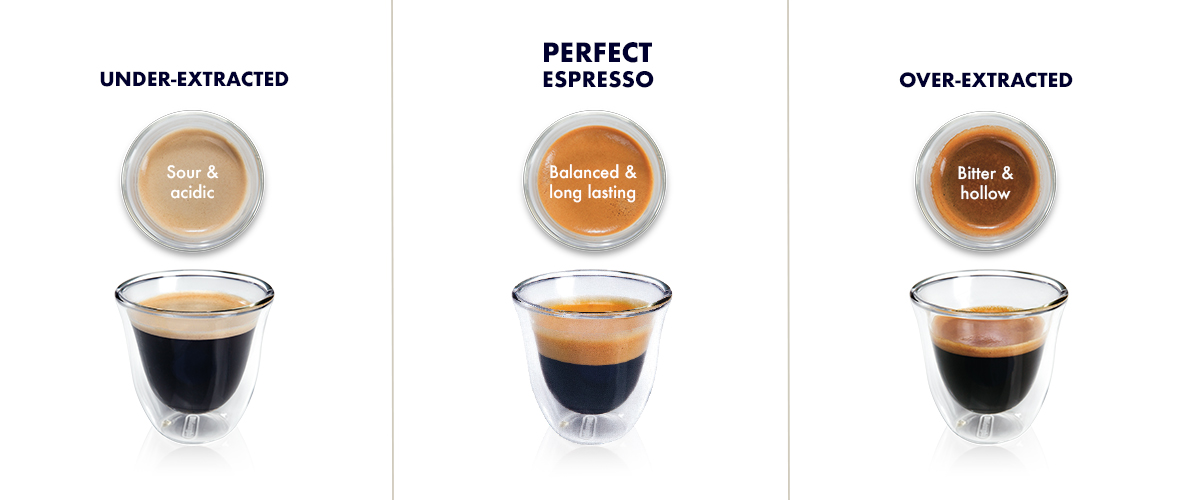
In most cases, sour coffee means under-extraction, while bitter coffee means over-extraction — regardless of brew method.
This guide explains why bitterness and sourness happen,
how to tell them apart, and how to fix each one — without changing machines,
chasing trends, or buying new gear.
In This Guide
Bitterness and Sourness Are Extraction Errors
Coffee extraction is the process of dissolving soluble compounds from ground coffee into water.
These compounds do not extract evenly or all at once.
- Early extraction → acids and bright compounds
- Mid extraction → sugars and balance
- Late extraction → bitter, dry compounds
If the brew stops too early or runs too long, the balance shifts dramatically.
If you want the full picture of how extraction actually works, see this clear explanation of coffee extraction and timing.
Roast level also influences how easily acids and bitter compounds dissolve.
Lighter and darker roasts behave differently during extraction.
Dark Roast vs Light Roast explains how roasting changes structure and solubility.
This same extraction logic applies across espresso, pour over, and immersion brewing.
If you want to understand why brewing methods shape extraction differently,
How Brewing Methods Affect Coffee Flavor (From Beans to Cup) explains how contact time and flow design influence results.

Why Your Coffee Tastes Sour (Under-Extraction)
Sour coffee is almost always under-extracted.
If the cup tastes sharp and hollow rather than bright and juicy, this confirms under-extraction.
This means water failed to dissolve enough balanced, sweet compounds before the brew ended.
Common causes of sourness
- Grind size too coarse
- Brew time too short
- Water temperature too low
- Brew ratio too tight (too little water)
In simple terms:
water didn’t stay long enough to finish its job.
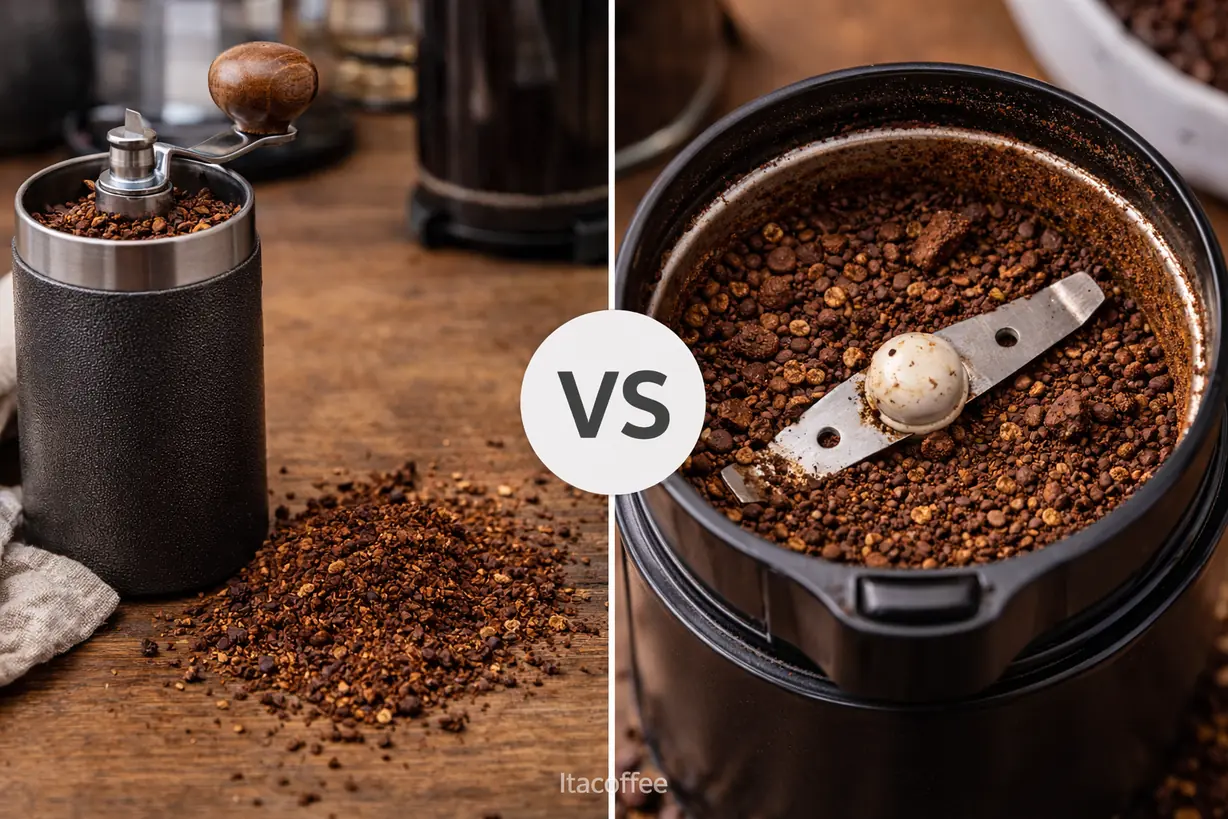
Uneven grind particles can also cause sour and bitter notes at the same time.
Burr vs Blade Coffee Grinders explains why grind consistency matters for balanced extraction.
If you are using pre-ground coffee, extraction control becomes less precise.
Pre-Ground vs Fresh Ground Coffee explains what changes in the cup.
Fresh coffee that isn’t properly bloomed may also extract unevenly.
What Is Coffee Blooming? explains why early gas release matters.
For practical adjustments, see how to adjust grind size and brew time in pour over coffee
or how to control extraction when brewing with an AeroPress.
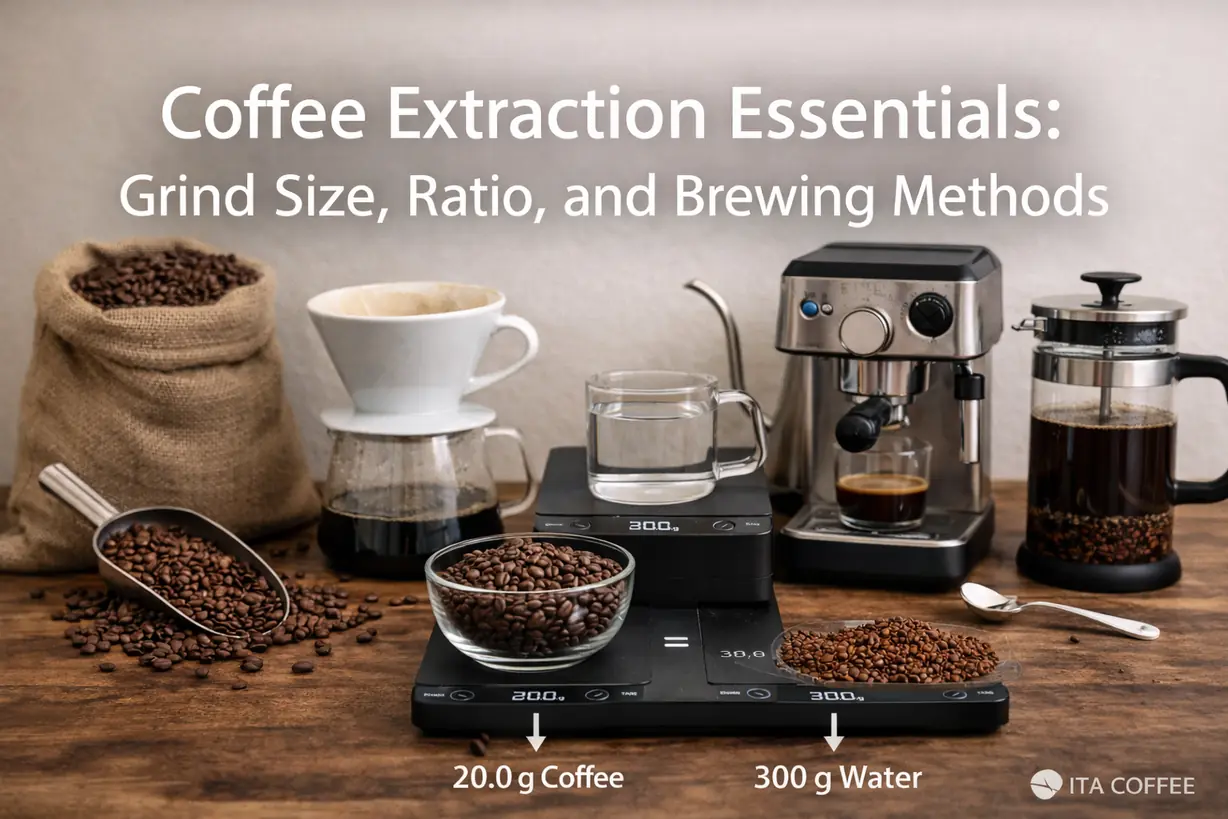
If you want to understand how grind size, ratio, and time interact, this brewing basics guide breaks them down clearly.
Cold brew behaves differently because of low-temperature extraction.
Learn why in this cold brew at home guide.
Why Your Coffee Tastes Bitter (Over-Extraction)
Bitter coffee is usually over-extracted.
If the bitterness lingers long after swallowing, this is a common sign of over-extraction.
This happens when water extracts too far into bitter compounds after sweetness is already gone.
Common causes of bitterness
- Grind size too fine
- Brew time too long
- Excessive agitation or pressure
- Water temperature too high
Bitterness is not strength.
It’s imbalance.
Strength and extraction are not the same thing.
Is More Coffee Always Stronger? explains why adding more coffee doesn’t necessarily fix bitterness.
Over-extraction often appears in immersion and pressure-based methods.
Learn how to avoid it in French press brewing,
or see why espresso extraction follows the same principles.
Stovetop brewing can exaggerate bitterness if extraction runs too long.
See common extraction mistakes when using a Moka pot.
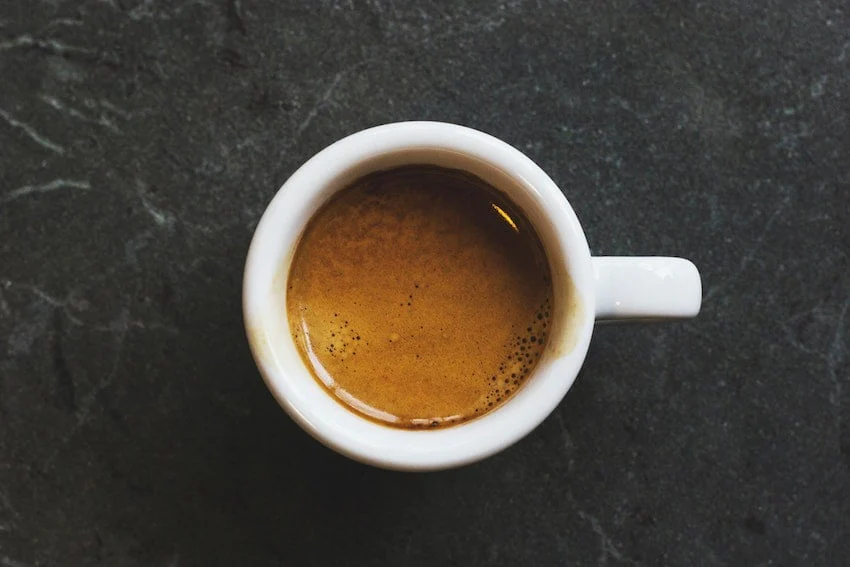
Bitter vs Sour: How to Tell the Difference
Many people confuse bitterness and sourness — and try to fix the wrong problem.
- Sour hits fast and sharp, then fades
- Bitter builds slowly and lingers
This difference in timing is often the fastest way to diagnose what went wrong.
Fixing the Problem (Without Changing Everything)
Do one adjustment at a time.
Changing multiple variables makes it impossible to know what actually helped.
If you want to improve results without buying new equipment, read how to brew better coffee at home without buying new gear.
- If coffee is sour: grind finer, increase time, raise temperature slightly.
- If coffee is bitter: grind coarser, shorten time, reduce agitation.
Extraction responds to small changes.
Large adjustments usually create new problems.
This Is Why Recipes Alone Don’t Work
A recipe tells you what someone else did.
Understanding extraction tells you why it worked.
Once you see bitterness and sourness as extraction signals,
you stop guessing. You start adjusting with intention.
Final Thought from ITA Coffee
At ITA Coffee, we believe great coffee comes from understanding cause and effect.
When coffee tastes wrong, it’s not failing — it’s talking.
Bitterness and sourness are feedback, not mistakes.
Learn to read the signals, and every brew becomes a lesson instead of a disappointment.
— itacoffee | Brewing Guides for curious, thoughtful coffee makers
Editorial note: This article was developed with AI-assisted drafting and human review
to ensure clarity, accuracy, and a non-commercial educational tone.