In This Guide
The question most coffee drinkers ask—and usually get wrong
Walk into any café or scroll through coffee forums, and you’ll see the same debate repeat itself:
dark roast or light roast— which one is better?
The problem isn’t the question. It’s the answers. Most explanations reduce roast level to taste preference,
strength myths, or caffeine clichés.
In reality, roast level is a structural change to the coffee bean — a concept rooted in how extraction, chemistry, and brewing variables interact.
If you’re new to how these foundations connect, this coffee knowledge overview explains the core building blocks.
It reshapes flavor chemistry, extraction behavior, and brewing tolerance
in ways that matter far more than personal labels like “bold” or “smooth.”
Understanding roast level isn’t about choosing sides.
It’s about knowing what actually changes in the cup.
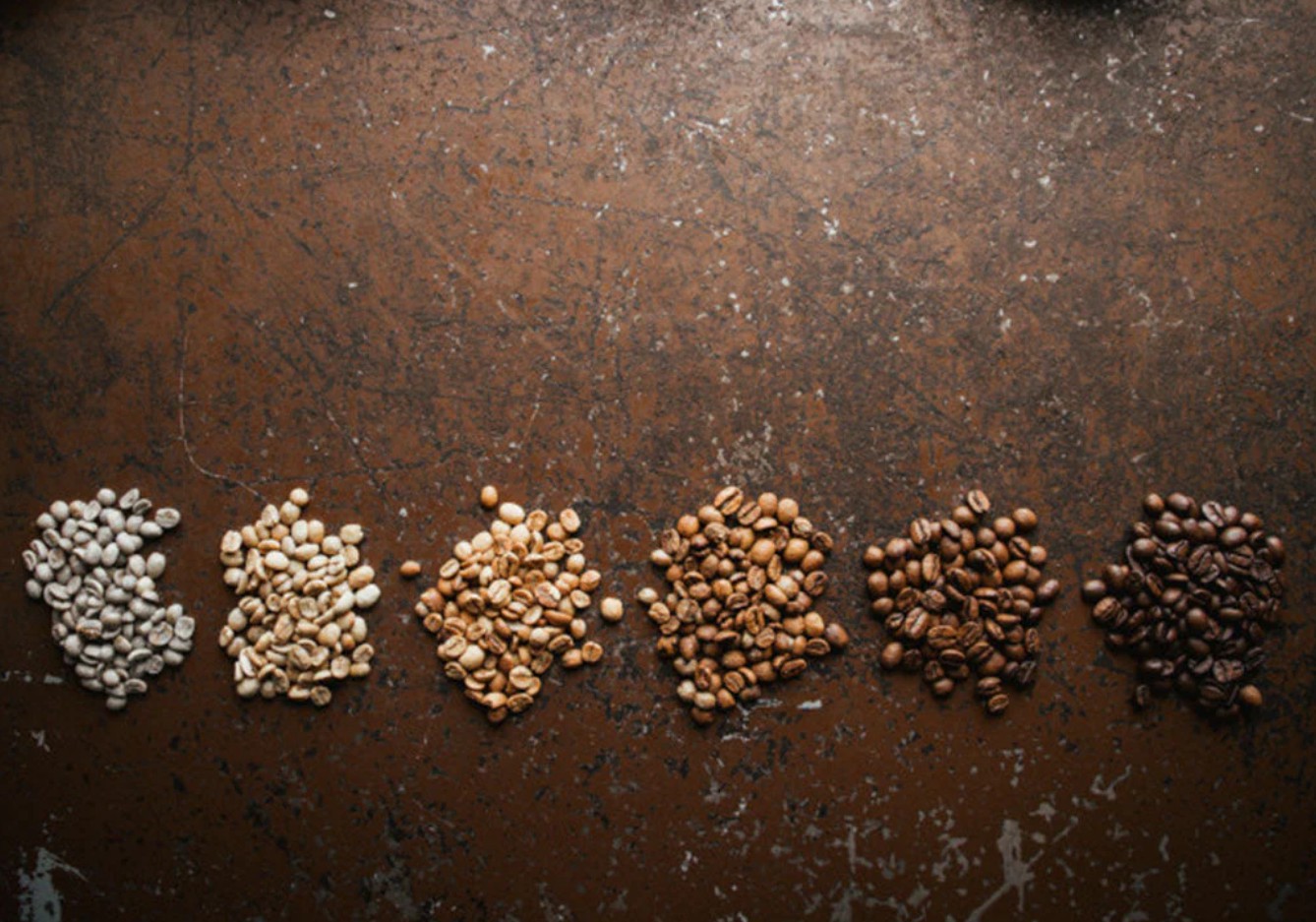
What roasting really does to a coffee bean
Green coffee beans are dense, acidic, and chemically complex.
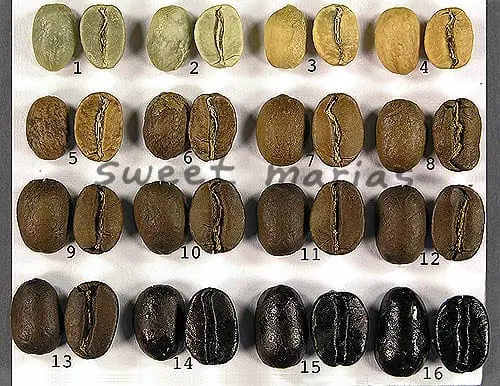
Roasting applies heat long enough to permanently alter that structure.
As roasting progresses:
- Sugars caramelize, then break down
- Organic acids degrade or transform
- Cell walls weaken and expand
- Oils migrate toward the surface
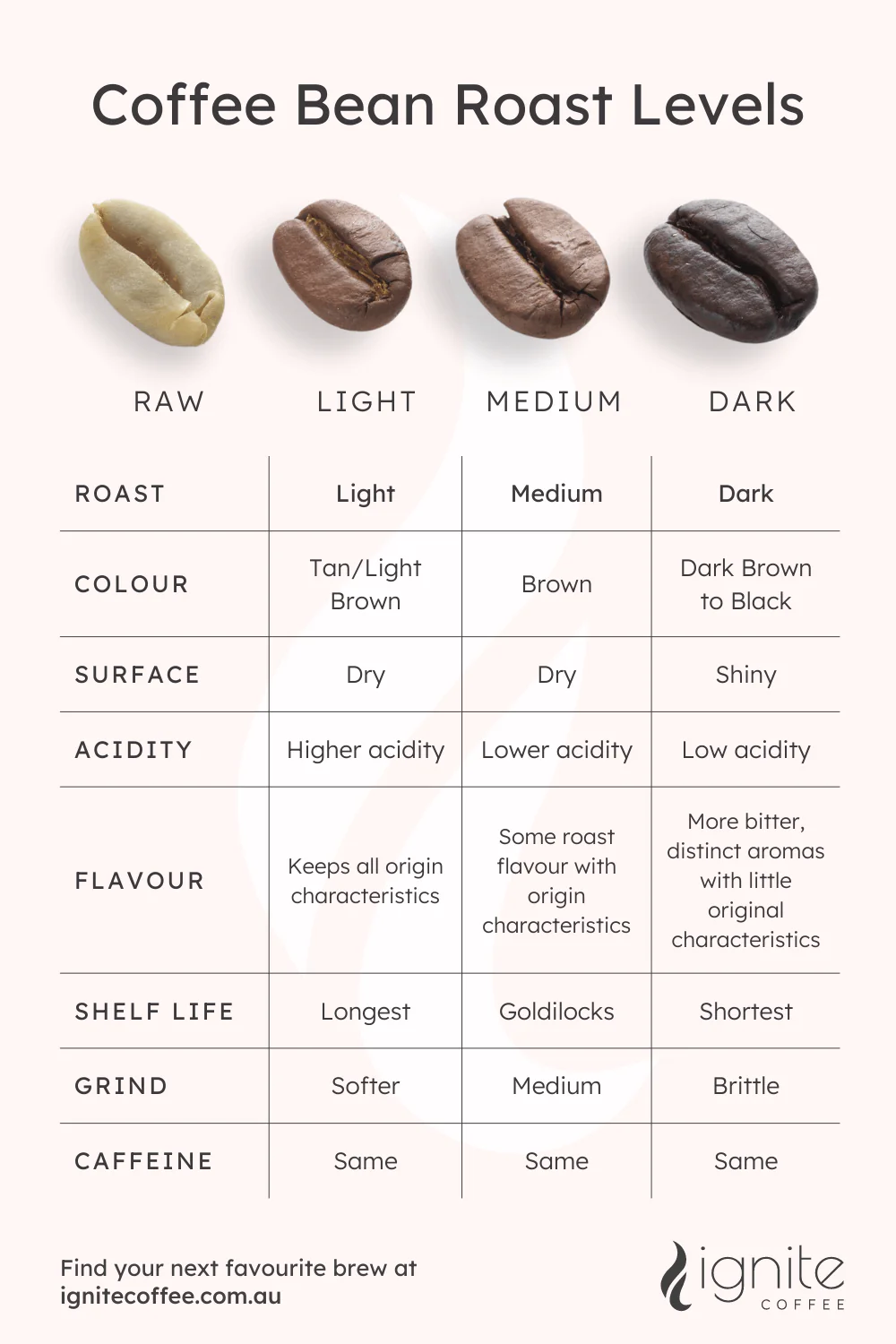
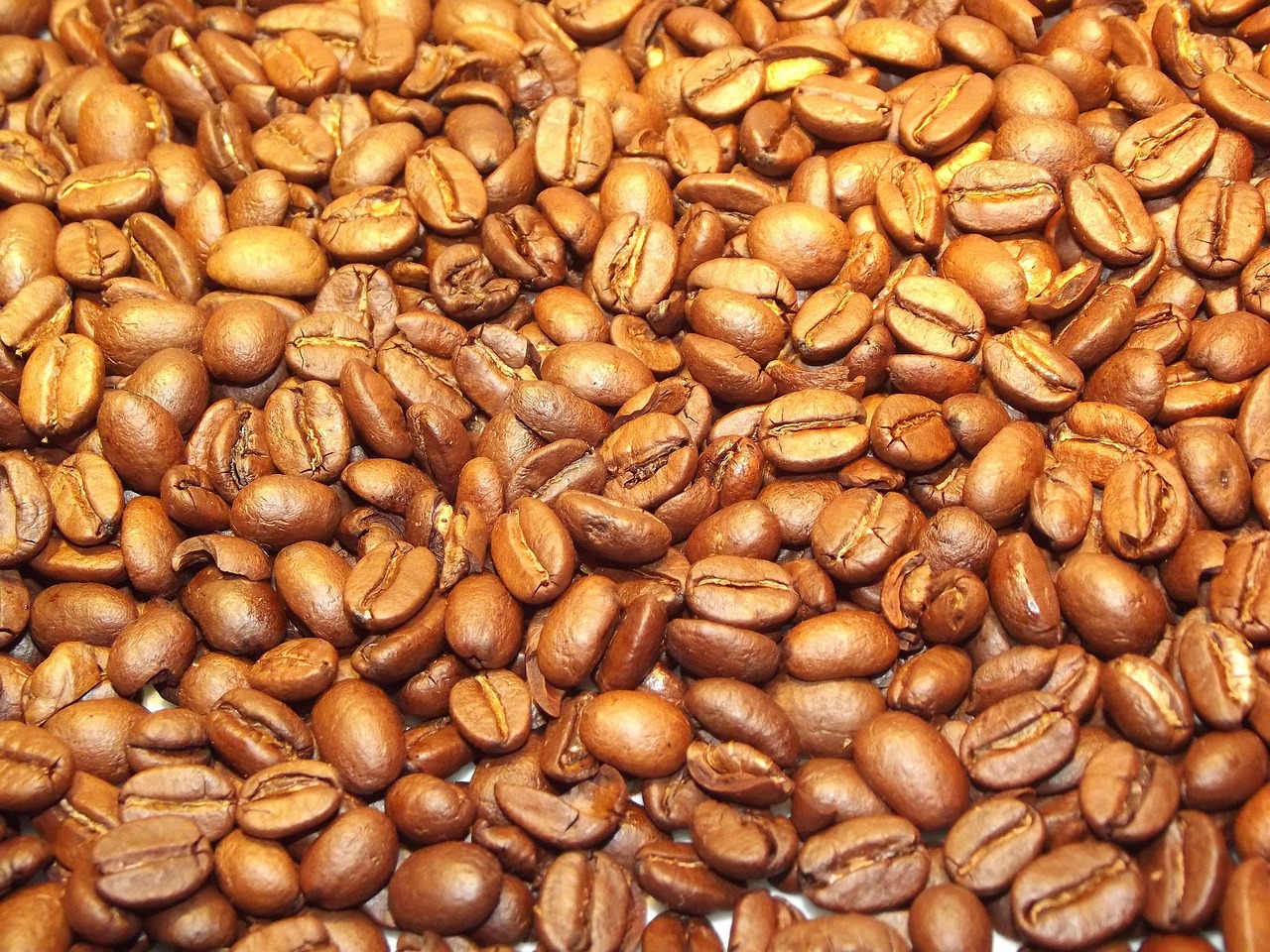
A light roast preserves more of the bean’s original compounds.
A dark roast replaces origin-driven chemistry with roast-driven chemistry.
This is not a linear “more flavor” process. It’s a tradeoff.
Light roast coffee: clarity, acidity, and origin expression
Light roasts are stopped shortly after first crack.
The bean has expanded, but much of its original structure remains intact.
What this means in the cup:
- Higher perceived acidity (often citrus, malic, or floral)
- Clear separation of flavors
- Strong expression of origin and processing
- Lighter body, cleaner finish
Light roast coffee does not mean “sour by default.”
Sourness usually comes from under-extraction, not roast level itself.
If extraction feels abstract, this guide explains it clearly: Coffee Extraction Explained.
If your cup swings sharply between bitterness and sourness, this breakdown of what those signals actually mean connects taste to cause.
When brewed correctly, light roasts can be sweet, balanced, and complex—but they demand precision.
That precision often starts with grind consistency.
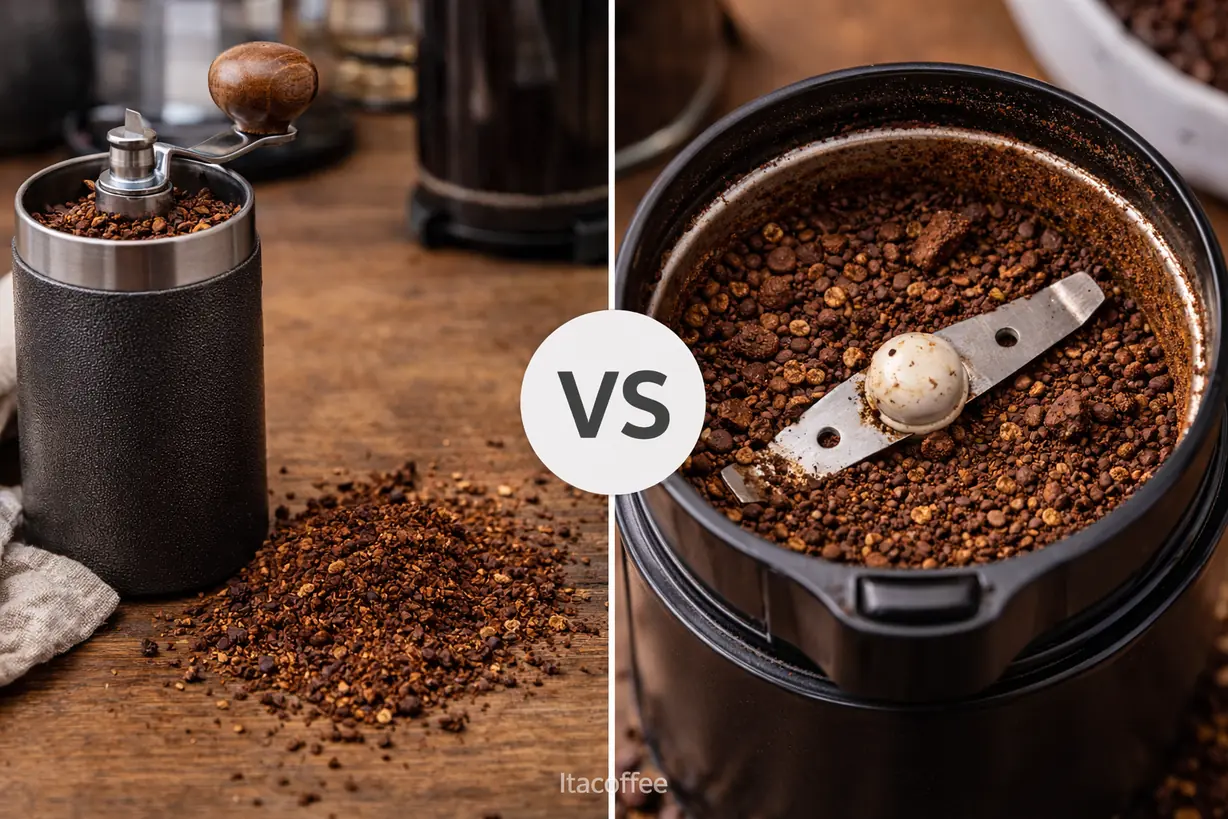
If you’ve ever wondered whether grinder type really matters, this breakdown of burr vs blade grinders shows why light roasts expose grinding flaws so quickly.
Fresh grinding matters even more here — this comparison of pre-ground vs fresh ground coffee explains why clarity fades when particles aren’t uniform.
Dark roast coffee: bitterness, body, and roast dominance
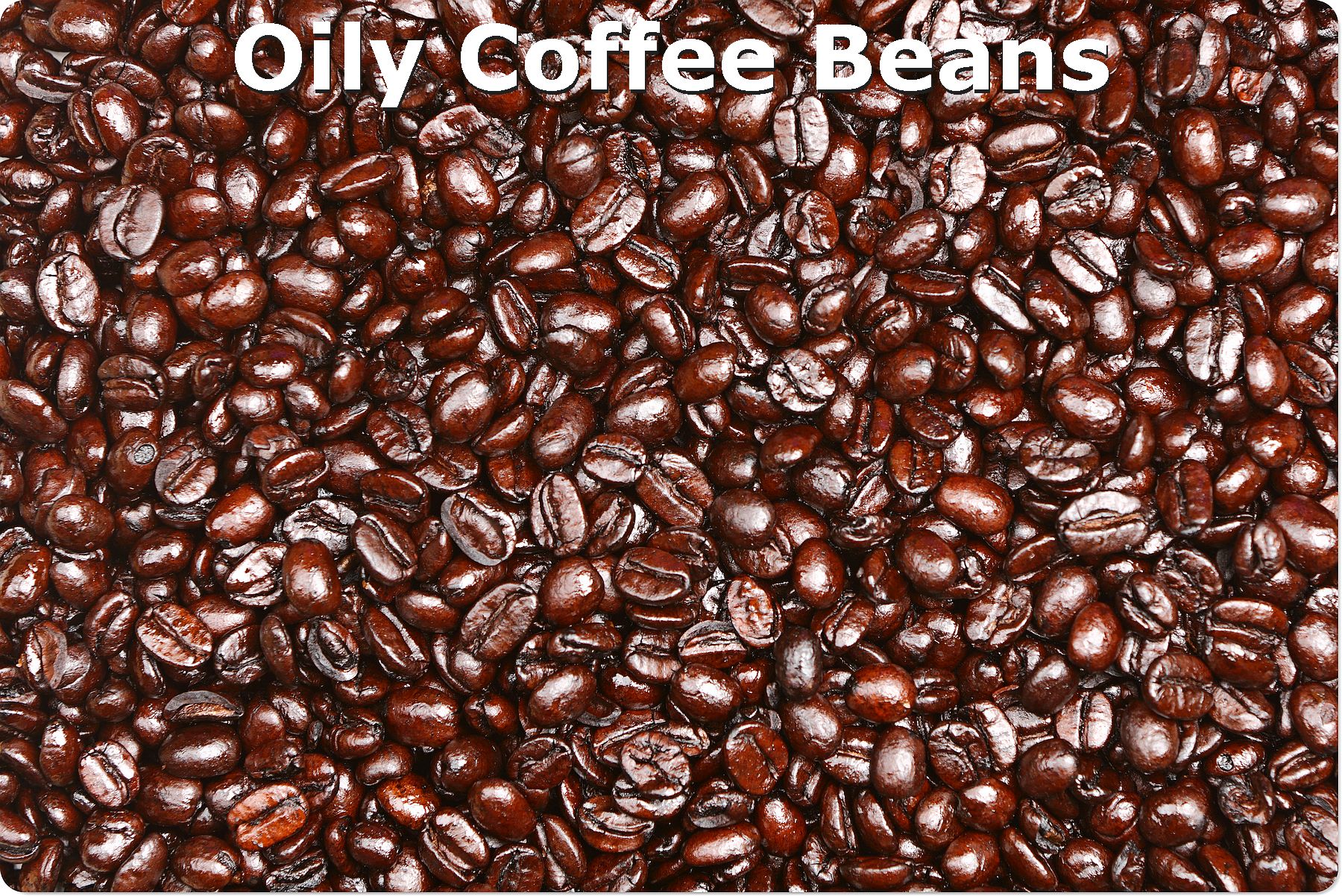
Dark roasts pass well beyond first crack and into deeper thermal breakdown.
What changes:
- Most origin-specific acids are reduced
- Roast-derived flavors dominate (smoke, cocoa, carbonized sugar)
- Oils appear on the bean surface
- Solubility increases
In the cup, this creates:
- Lower perceived acidity
- Heavier body
- Strong bitterness and roasted notes
- Less flavor separation, more uniform intensity
Dark roasts are often described as “strong,”
but what people are tasting is bitterness and concentration,
not necessarily caffeine or flavor complexity.
“Strength” is not roast level. Strength is extraction and concentration —
a difference explained clearly in this guide on strength vs extraction.
Caffeine, strength, and other persistent myths
One of the most common misconceptions is that dark roast has more caffeine.
Measured by weight, light and dark roasts contain nearly the same caffeine.
Measured by volume, light roast often contains slightly more, because the beans are denser.
Lower acidity does not automatically mean gentler digestion.
Roast compounds and brewing method often matter more.
How you brew changes perception dramatically — this guide on brewing methods and flavor explains why structure and method interact.
How roast level affects brewing tolerance
Light and dark roasts behave very differently during extraction.
Light roasts:
- Require finer grinding
- Benefit from higher water temperatures
- Punish uneven extraction quickly
Dark roasts:
- Extract easily
- Become bitter if over-extracted
- Are more forgiving with immersion methods
This is why pour-over and light roast pair well —
especially with controlled methods like V60 pour over.
French press and dark roast often feel naturally compatible,
as immersion brewing emphasizes body over clarity — here’s a practical French press method.

Choosing roast level without marketing language
Instead of asking “Which roast is better?” ask:
- Do I want clarity or comfort?
- Do I enjoy acidity or avoid it?
- Am I willing to control brewing variables?
- Do I want origin character or roast character?
Light roast rewards curiosity.
Dark roast rewards consistency.
Understanding grind size, ratio, and time changes more than any roast label — this foundational brewing guide explains why control matters more than marketing.
Neither is a beginner or expert choice. They are simply different tools.
Final Thought from ITA Coffee
This guide is meant to be a foundation, not a recipe.
At itacoffee, we don’t believe great coffee comes from chasing perfect numbers or expensive tools — gear rarely fixes structural misunderstanding.
It comes from understanding cause and effect.
When coffee tastes wrong, it’s not failing — it’s talking.
Bitterness and sourness are feedback, not mistakes.
Learn to read the signals, and every brew becomes a lesson instead of a disappointment.
— itacoffee | Brewing Guides for curious, thoughtful coffee makers
Editorial note: This article was developed with AI-assisted drafting and human review
to ensure clarity, accuracy, and a non-commercial educational tone.