Many coffee guides quietly suggest the same solution to every problem:
Your coffee tastes bad because your gear isn’t good enough.
So people upgrade.
Then upgrade again.
And again.
The grinder gets heavier.
The brewer gets shinier.
The price tag grows.
And somehow… the coffee still tastes off.
This isn’t a failure of equipment.
It’s a misunderstanding of what equipment can—and cannot—do.
This guide explains what expensive coffee gear can’t fix—and what actually improves your coffee instead.
In This Guide
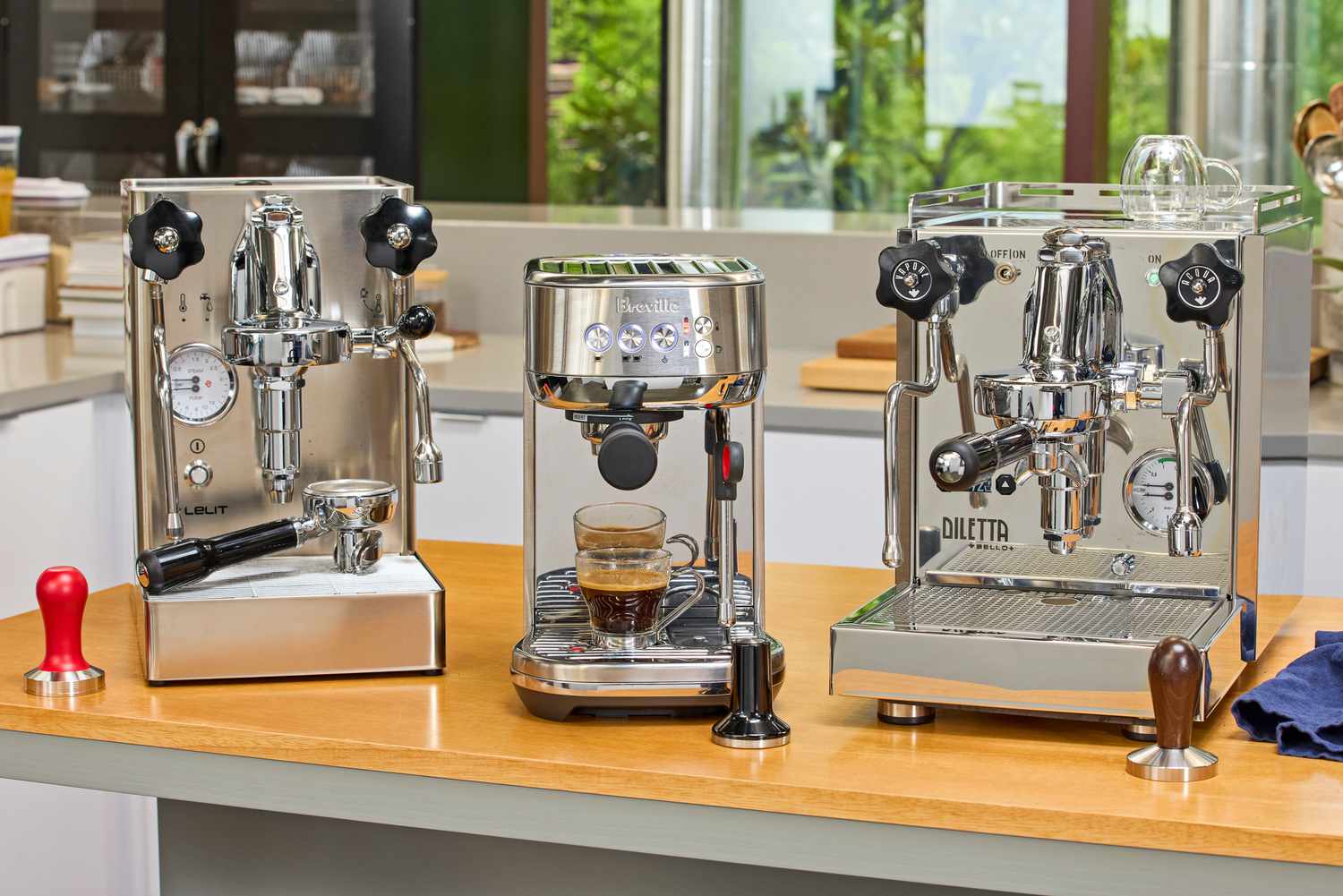
What Expensive Coffee Gear Actually Does
Good equipment does three specific things very well:
It increases consistency.
It reduces variability.
It makes results more repeatable.
That’s it.
A precision grinder won’t choose good beans for you.
A premium brewer won’t correct poor extraction decisions.
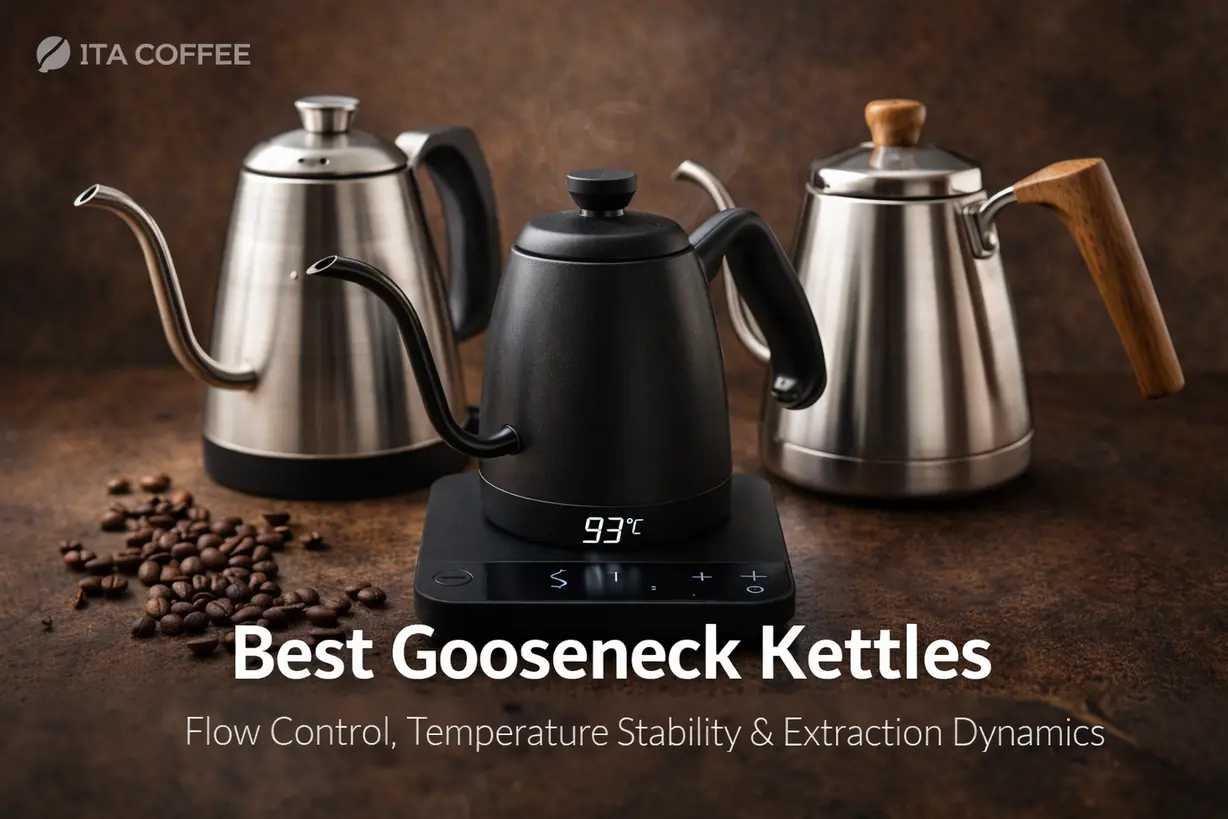
A temperature-controlled kettle won’t save a rushed brew.
Expensive gear is a multiplier, not a savior.
If the fundamentals are weak, it multiplies weak results—more consistently.
Bad Coffee Usually Comes From Decisions, Not Tools
When a cup tastes harsh, hollow, or muddy, the cause is rarely “cheap gear.”
Most bad cups don’t fail in one dramatic way. They drift off course through small, compounding decisions:
It’s usually one (or more) of these:
- Old or poorly roasted beans
- Incorrect grind size for the brew method
- Water that’s too hard, too soft, or too hot
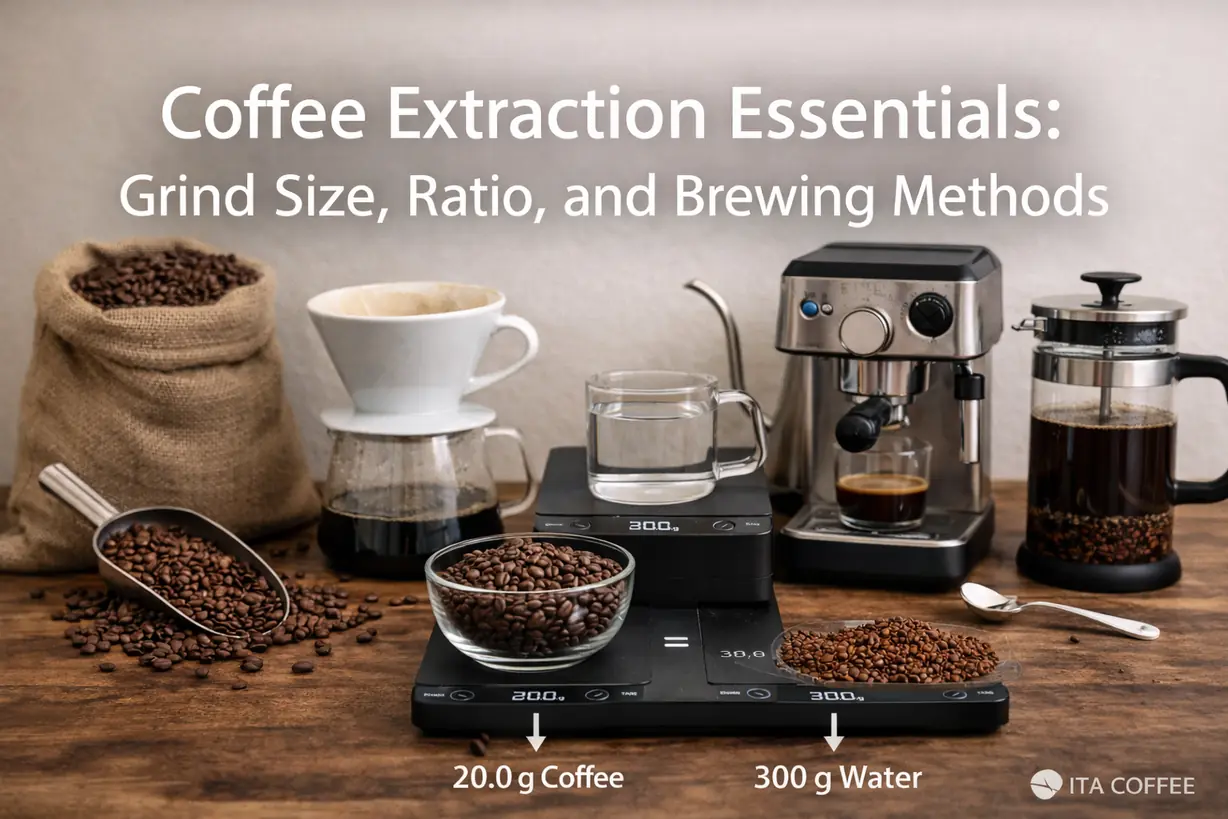
- Unbalanced brew ratios and poor control of grind size, ratio, and time — the core variables explained in our guide to coffee brewing basics
- Inconsistent technique
None of these are fixed by spending more money.
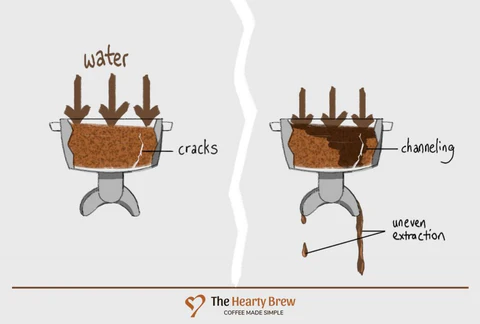
They are fixed by understanding extraction — how water dissolves coffee compounds over time, and how small changes in grind size, ratio, or brew time shift flavor.
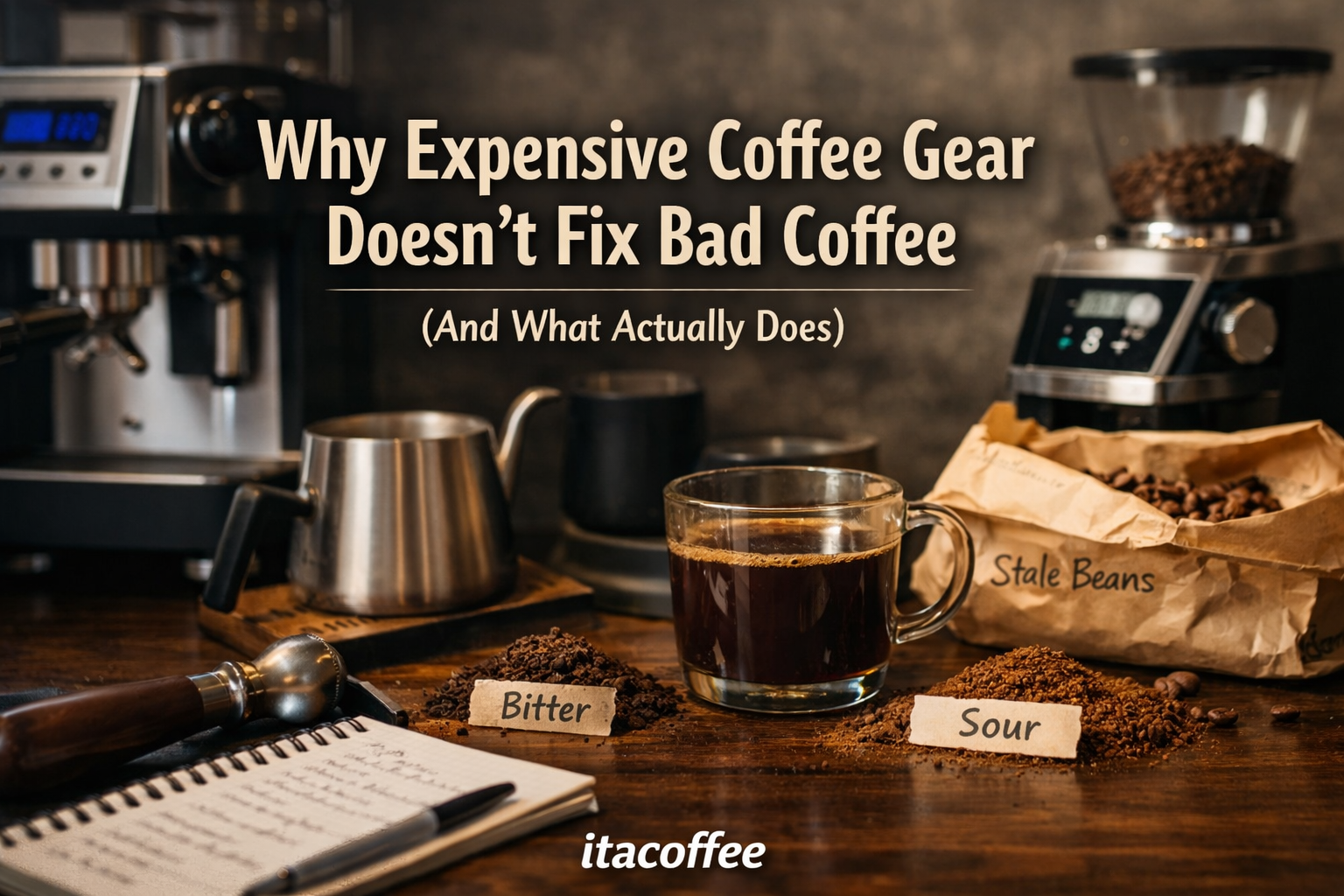
If bitterness or sourness keeps appearing in your cup, that’s usually an extraction signal rather than a hardware problem — as explained in why coffee tastes bitter or sour.
The Gear Myth: “Professional Tools Create Professional Results”
This myth comes from a confusion between environment and skill.
In cafés, expensive gear exists to handle volume, speed, and repeatability—not to replace judgment.
A skilled brewer can make excellent coffee with modest tools — the same principle explored in how to brew better coffee at home without buying new gear.
An untrained user can ruin coffee with flawless equipment.
Gear does not make decisions.
Brewers do.
When Expensive Gear Does Help
There are moments when upgrading makes sense.
But only after you can clearly describe what problem you’re trying to solve.
Not because it fixes bad coffee—but because it removes friction after fundamentals are solid.
Examples:
- You already dial in grind size reliably, but your grinder drifts.
- You understand ratios, but your brewer leaks or channels.
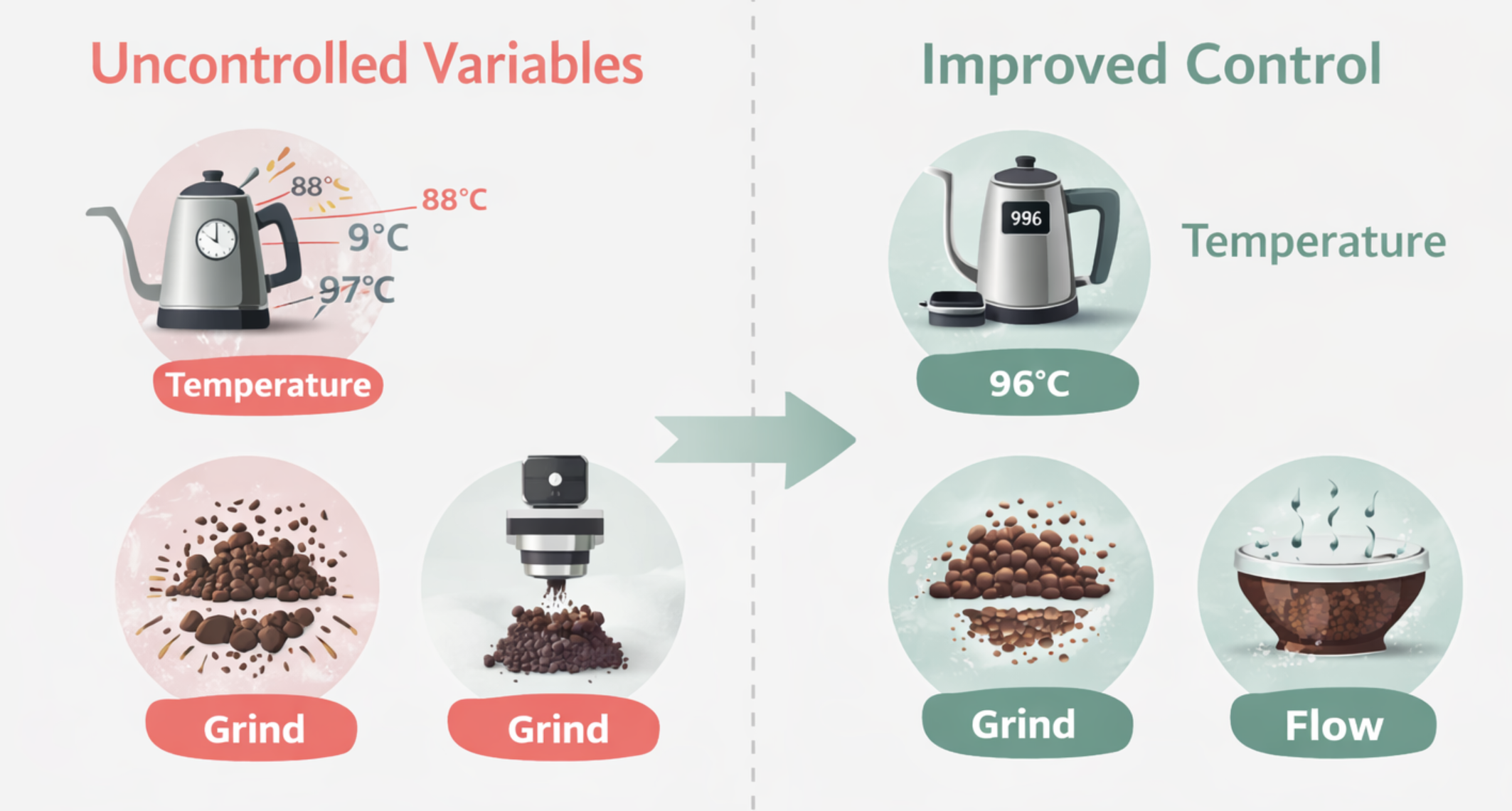
- You can clearly identify extraction problems, but your kettle lacks temperature control.
In these cases, better gear doesn’t improve taste directly.
It improves precision, making learning faster and errors clearer.
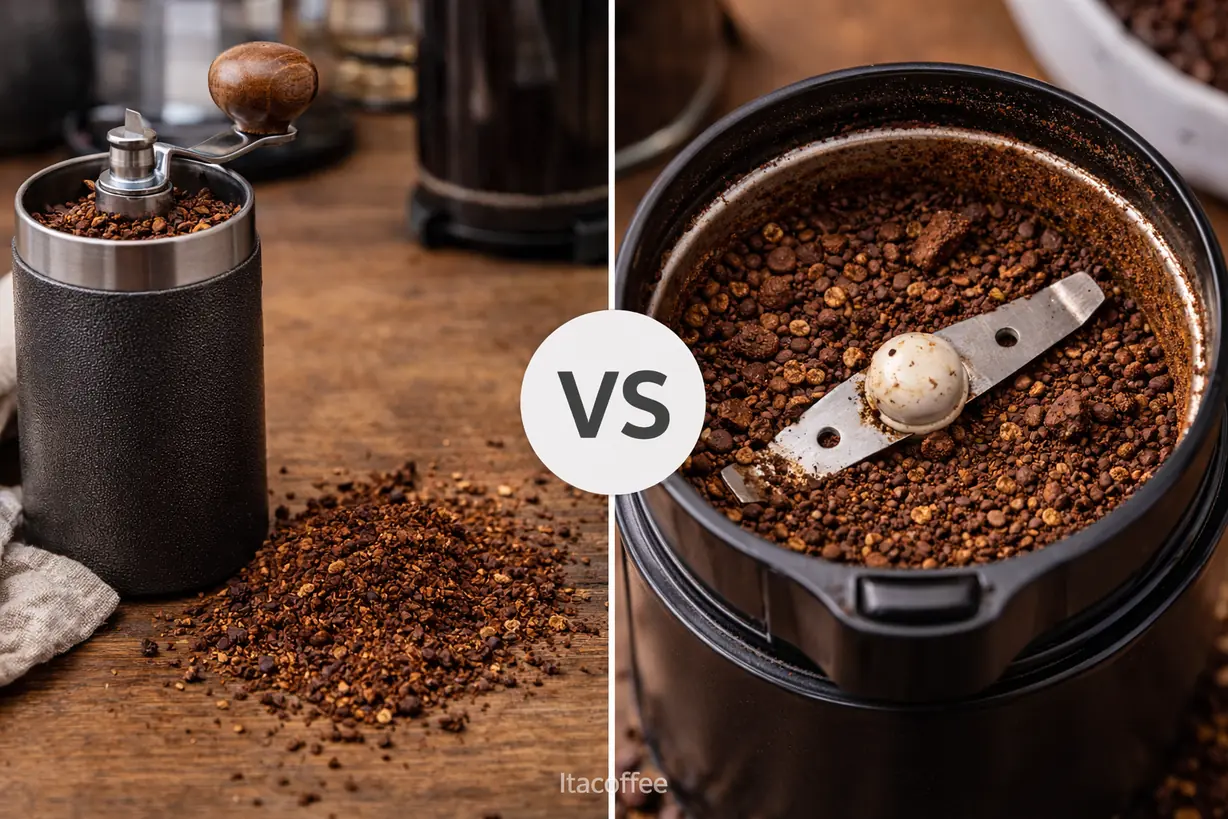
And when comparing grinders, the real structural difference often isn’t price — it’s design, such as burr vs blade grinders, and how evenly they control particle size.
The Upgrade Order Most People Get Wrong
Many people buy tools in this order:
Gear → Beans → Technique → Understanding
That’s backwards.
A more effective path looks like this:
- Beans with known freshness — understanding roast differences (see dark vs light roast) helps you predict flavor direction
- Recognizing how fresh coffee behaves during blooming
- One simple, reliable brew method
- Basic understanding of grind, ratio, and time
- Taste evaluation and adjustment
- Then—maybe—gear upgrades
This sequence builds feedback loops.
Without feedback, gear upgrades are just guesses.
Why “Better Gear” Feels Like Progress (Even When It Isn’t)
Buying equipment feels productive.
Learning extraction feels slow.
Gear arrives instantly.
Understanding arrives through repetition, mistakes, and tasting coffee you didn’t love.
But here’s the quiet truth:
The most expensive thing in coffee isn’t equipment.
It’s attention.
Attention to grind size.
Attention to pouring speed.
Attention to how a cup tastes—and why.
What Actually Improves Coffee, Long-Term
If you want better coffee tomorrow—not just a prettier setup—focus on:
- Fresh beans you understand (including the difference between pre-ground and fresh ground coffee)
- One grinder you learn deeply
- One brew method you repeat often — explore options in our brewing guides collection
- Water you don’t ignore
- Notes on what changed and what didn’t
This isn’t glamorous.
It’s effective.
And it scales—from entry-level setups to professional ones.
Final Thought: Gear Should Follow Skill, Not Replace It
Expensive coffee gear doesn’t fix bad coffee.
It exposes it.
That exposure is useful—but only if you’re willing to learn from it.
At itacoffee, we believe good coffee comes from
clarity, not consumption.
From understanding what matters—and ignoring what doesn’t.
Because clarity scales. Consumption doesn’t.
If your next upgrade is knowledge, not hardware,
you’re already on the right path.
Final Thought from ITA Coffee
This guide is meant to be a foundation, not a recipe.
At itacoffee, we don’t believe great coffee comes from chasing perfect numbers or expensive tools.
It comes from understanding cause and effect.
When coffee tastes wrong, it’s not failing—it’s talking.
Bitterness and sourness are feedback, not mistakes.
Learn to read the signals, and every brew becomes a lesson instead of a disappointment.
— itacoffee | Brewing Guides for curious, thoughtful coffee makers
Editorial note: This article was developed with AI-assisted drafting and human review
to ensure clarity, accuracy, and a non-commercial educational tone.