Making better coffee at home doesn’t require new equipment.
Most improvements come from understanding ratios, grind size, water, and technique—and using what you already have more intentionally.
Many people assume better coffee requires better gear.
In reality, most home-brewed coffee problems come from technique, not tools.
If you’ve ever wondered why upgrades don’t automatically improve flavor, this breakdown explains why equipment alone rarely fixes bad coffee.
This guide shows how to brew noticeably better coffee at home using what you already have,
by focusing on a few controllable variables that matter far more than price tags.
If you’re new to these variables, our coffee brewing basics guide covers grind size, ratio, and time in more depth.
In This Guide
Start With This Mindset: Control Beats Equipment
Before changing anything, remember this:
Coffee quality improves fastest when you change how you brew,
not what you buy.
The biggest gains usually come from:
- More consistent ratios
- Better grind control
- Cleaner workflow
- Understanding extraction
If you’re not clear on what “extraction” actually means, this guide explains how timing and control shape coffee flavor.
Once that clicks, every adjustment below becomes easier to reason through.
1. Use a Scale (Even a Simple One)
You don’t need a fancy coffee scale.
Any basic kitchen scale is enough.
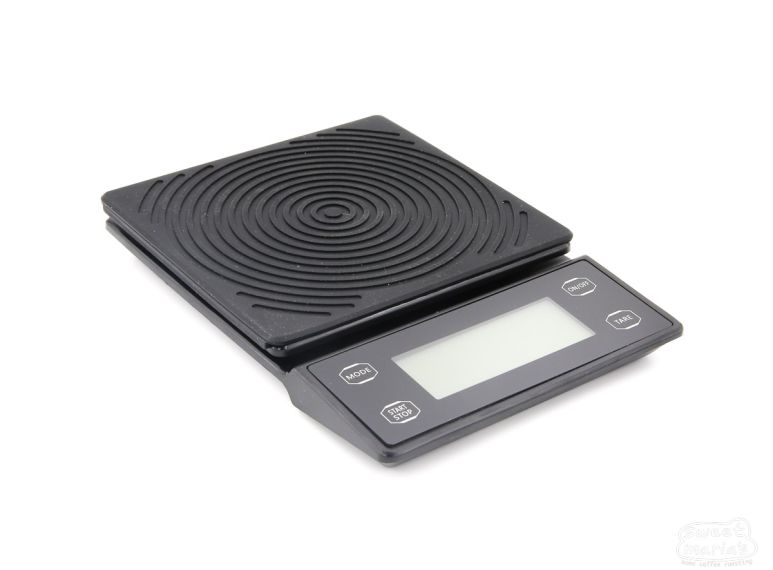
Why it matters
- Scoops are inconsistent
- Coffee density changes by roast and grind
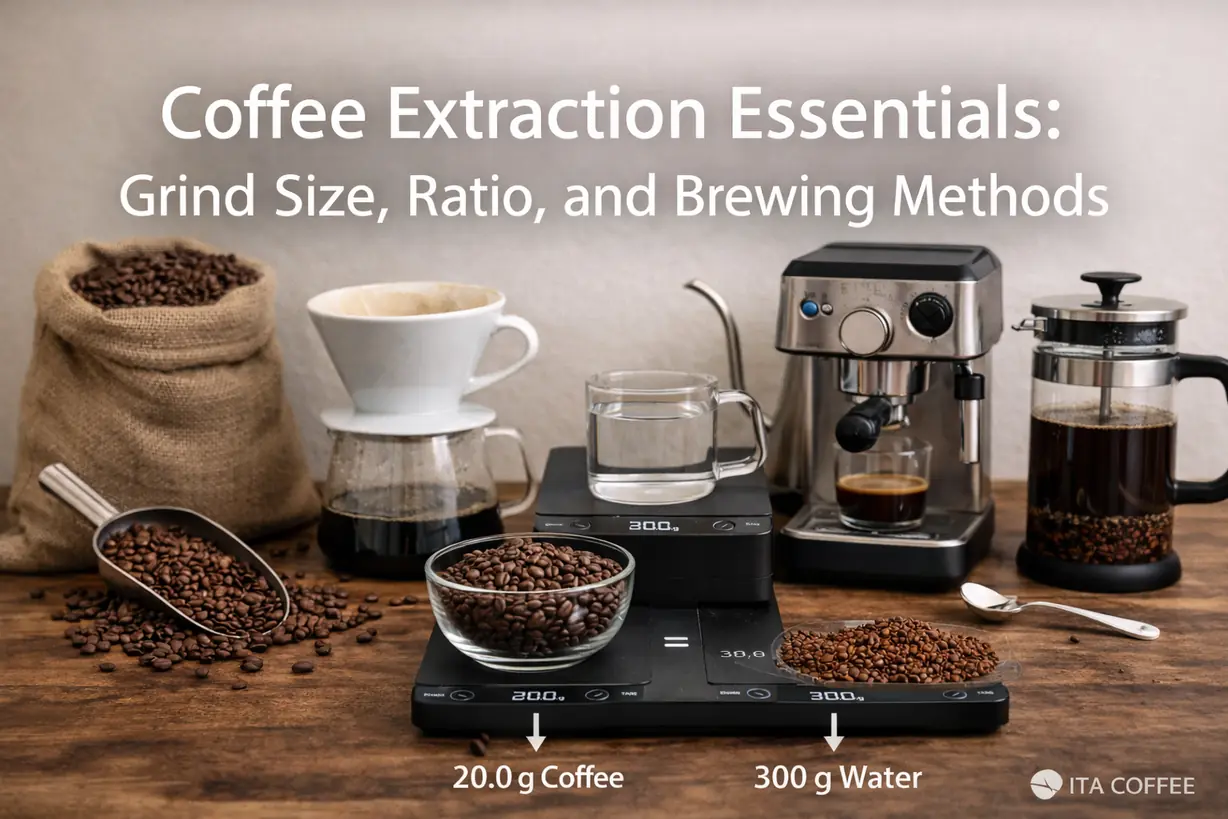
- Ratios are the foundation of repeatability
A reliable starting ratio
- 1:15 to 1:17 (coffee : water)
Controlling ratio also clarifies the difference between strength and extraction.
If you’ve ever wondered whether adding more coffee always makes it stronger,this guide explains the difference between strength and extraction.
Once you control ratio, every other adjustment becomes clearer.
2. Grind Size Matters More Than Brew Method
Many people blame their brewer when the real issue is grind size.
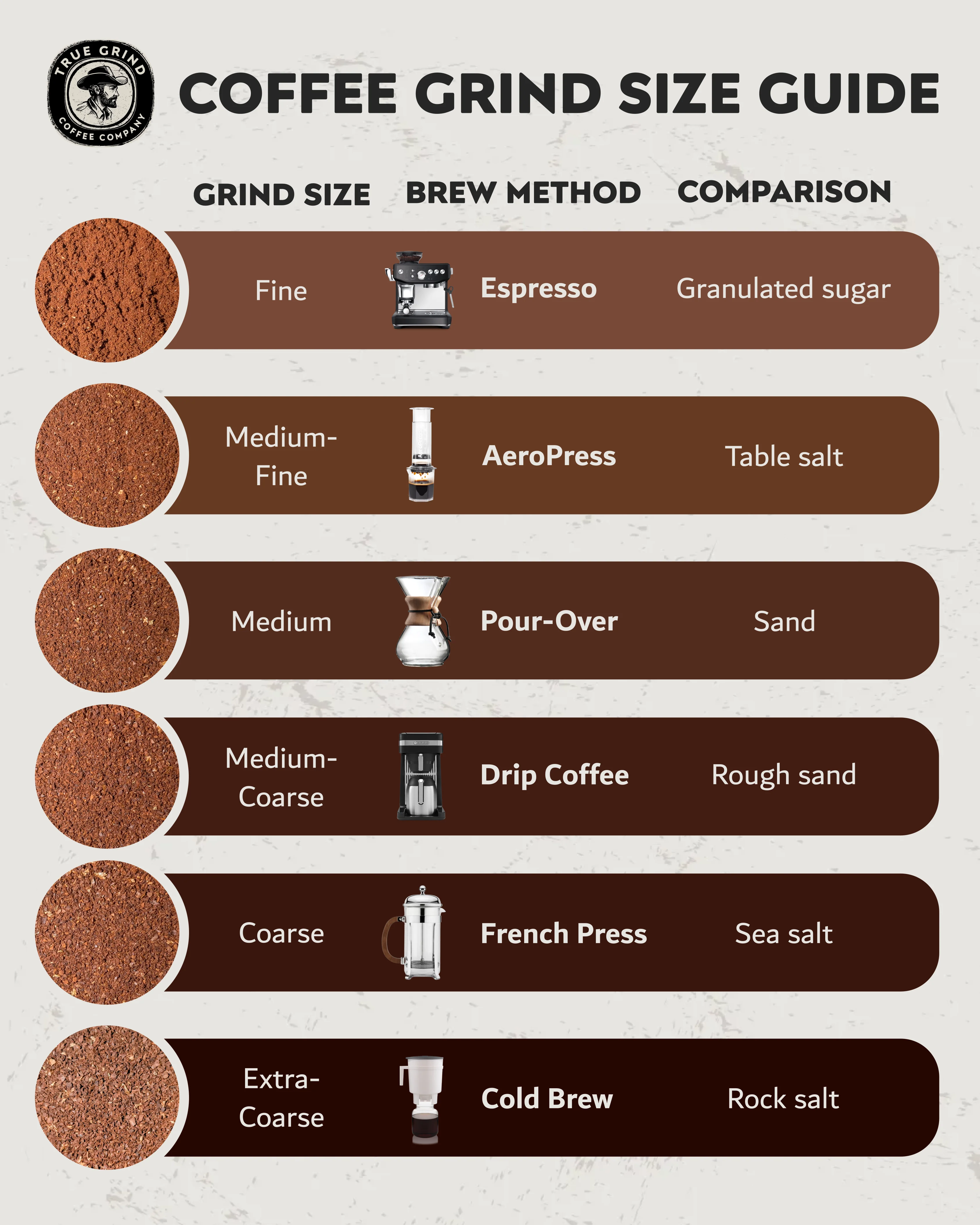
General guidance
- Too fine → bitterness, dryness
- Too coarse → sourness, thin body
Even with a basic grinder, consistency improves when you:
- Grind right before brewing
- Avoid switching grind size randomly
- Adjust slowly, one step at a time
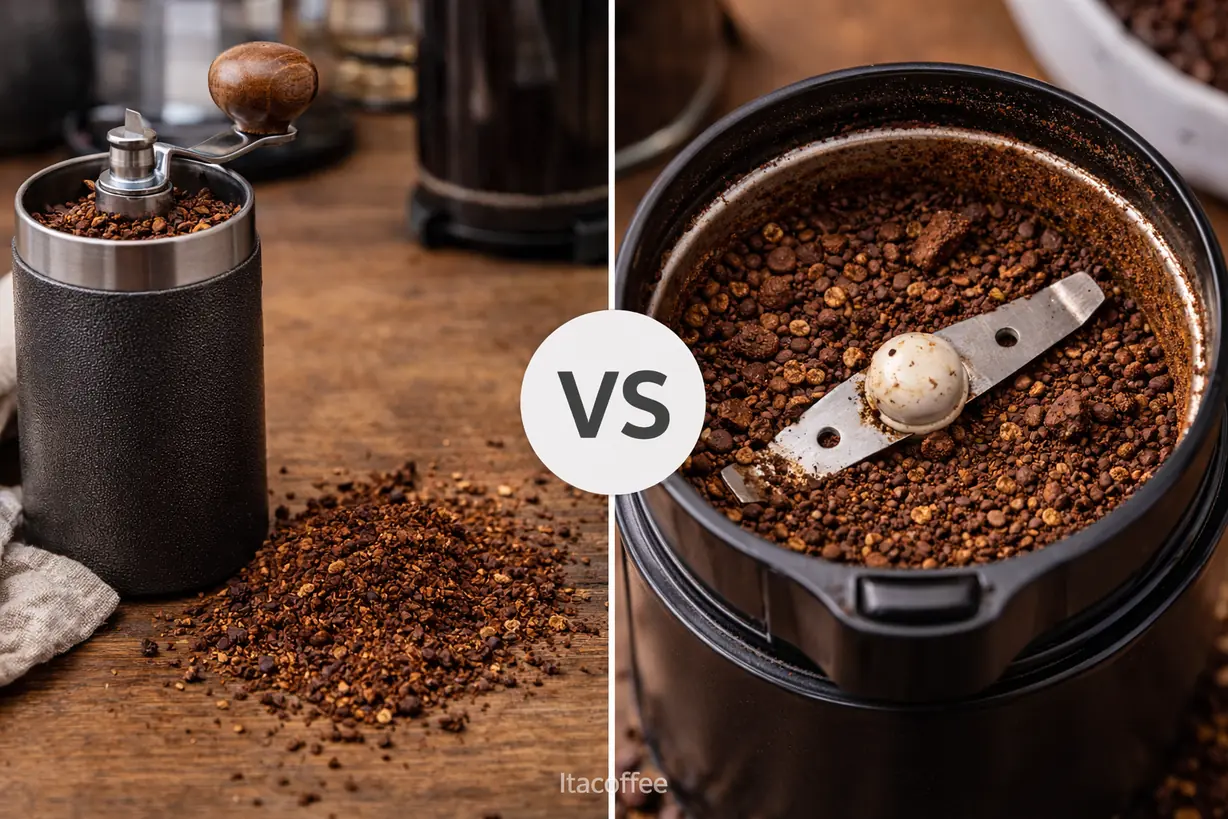
If you’re unsure whether your grinder is limiting consistency,
understanding the difference between burr and blade grinders can clarify what matters most.
You may also find it helpful to compare manual vs electric grinders based on how you brew.
Fresh grinding also affects flavor clarity.
If you’re using pre-ground coffee, this guide explains what actually changes in the cup.
If you want to understand why bitterness or sourness appear, this guide explains how extraction timing shapes those flavors.
3. Water Quality and Temperature Are Silent Variables
Coffee is mostly water.
If the water tastes bad, the coffee will too.
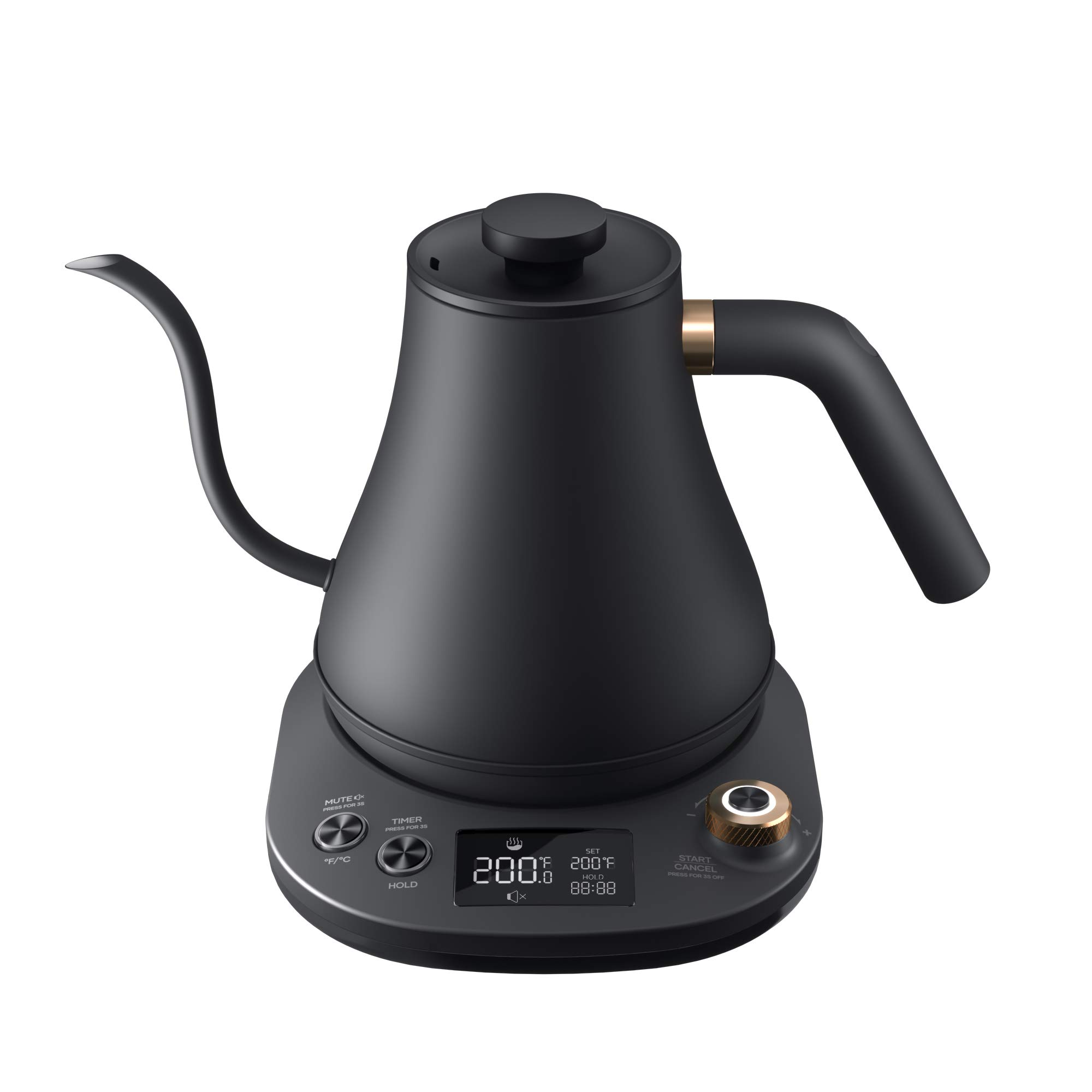
What helps immediately
- Use clean, filtered water
- Avoid boiling water unless specified
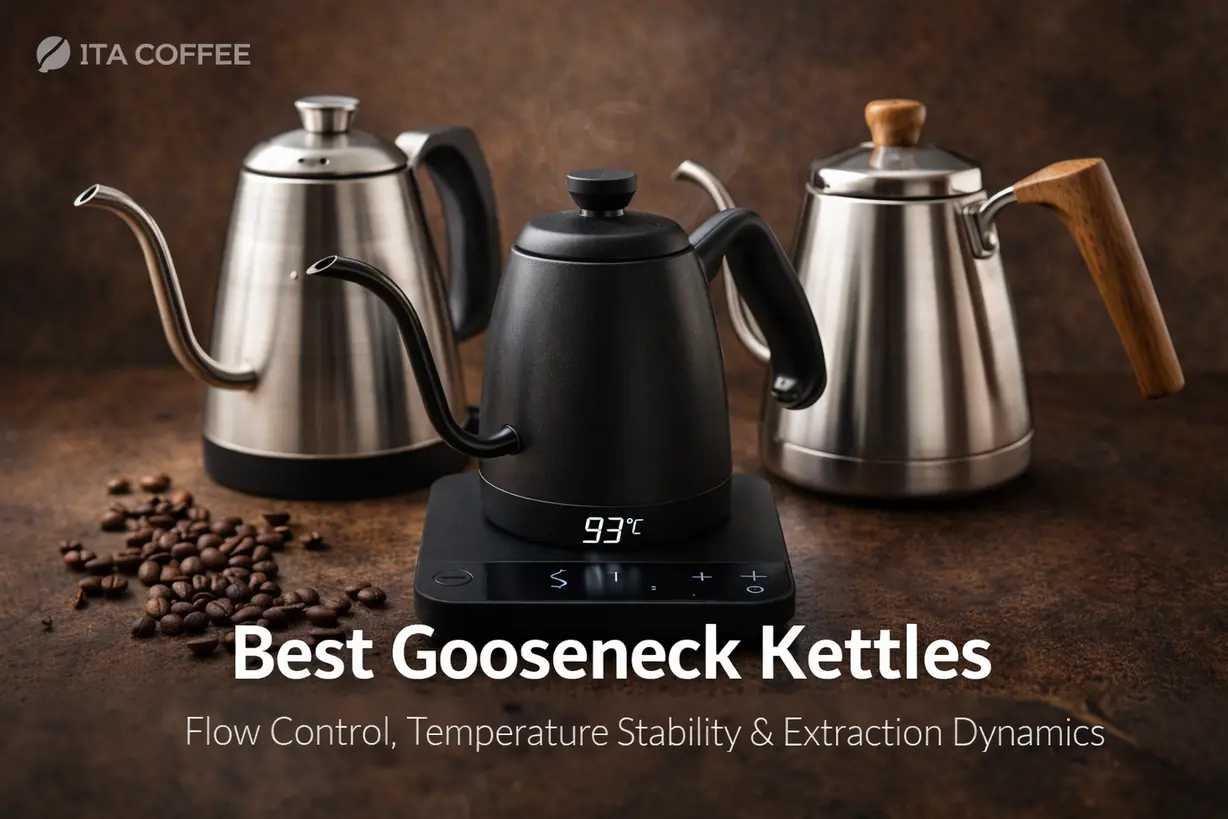
- Aim for 92–96°C (198–205°F) for hot brewing
Lighter roasts are denser and often benefit from slightly higher brewing temperatures.
If you’re unsure how roast level changes extraction behavior, this guide explains what roasting really changes in coffee flavor.
You don’t need a temperature-controlled kettle—just let boiling water rest for 30–60 seconds.
4. Slow Down and Let Extraction Happen
Rushing the brew is one of the most common mistakes.
Pay attention to:
- Bloom time (for pour over)
- Steep time (for immersion methods)
- Pressing or plunging speed
Good coffee often comes from patience, not precision gadgets.
If you want to understand why different brewing styles taste different even with the same beans, this guide explains how brewing methods shape flavor.
Immersion methods like French press brewing keep grounds in contact with water throughout extraction, emphasizing body and texture.
5. Match the Method to Your Taste
- Prefer clarity and brightness → pour over (V60)
- Want balance and flexibility → AeroPress
- Enjoy bold, heavy coffee → Moka pot
- Like smooth, low-acid coffee → cold brew
6. Cleanliness Has a Bigger Impact Than You Think
Old oils and residue flatten flavor.
- Rinse filters thoroughly
- Wash brewers with warm water after use
- Avoid soap residue on coffee-contact surfaces
Clean tools don’t make coffee better—they stop it from getting worse.
Final Thoughts from itacoffee
Better coffee doesn’t start with buying new gear.
It starts with understanding extraction, controlling variables, and brewing with intention.
For structured learning, explore our complete Brewing Guides collection and foundational Coffee Knowledge articles.
At itacoffee, we focus on skills that last longer than any upgrade cycle.
Learn the fundamentals once, and every brewer you already own gets better.
— itacoffee | Brewing Guides for thoughtful coffee makers
This article was written and optimized with the assistance of AI,
then reviewed and refined to maintain a clear, educational, non-commercial tone.