In This Guide
How We Test Coffee Grinders: A Scientific Evaluation Framework
Coffee grinders are not evaluated based on brand perception or superficial features. At Itacoffee, grinder testing is built on measurable variables: grind consistency, extraction behavior, and repeatability. These factors directly influence how coffee dissolves during brewing, which ultimately determines flavor clarity, balance, and stability.
This methodology extends the same principles outlined in our coffee gear testing framework, but with a narrower focus on particle distribution and extraction physics.
1. Why Grinder Testing Must Be Scientific
1.1 The Role of Grind Size in Extraction
Grind size determines the surface area exposed to water. Smaller particles increase extraction speed, while larger particles slow it down. However, real grinders do not produce uniform particles—they produce a distribution.
This is why we anchor grinder evaluation in grind size and extraction physics. A grinder that produces a narrow particle distribution enables predictable extraction. A wide distribution introduces both under-extracted (large particles) and over-extracted (fine particles) flavors in the same cup.
1.2 Defining Grind Consistency
Grind consistency refers to how uniform the particle sizes are. It is not about achieving a single size, but about minimizing variance. High variance leads to uneven extraction, which is the root cause of bitterness and sourness appearing simultaneously.
For a deeper understanding, refer to under vs over extraction explained, where uneven particle size is identified as a primary cause of conflicting flavors.
2. Core Testing Dimensions
2.1 Particle Size Distribution
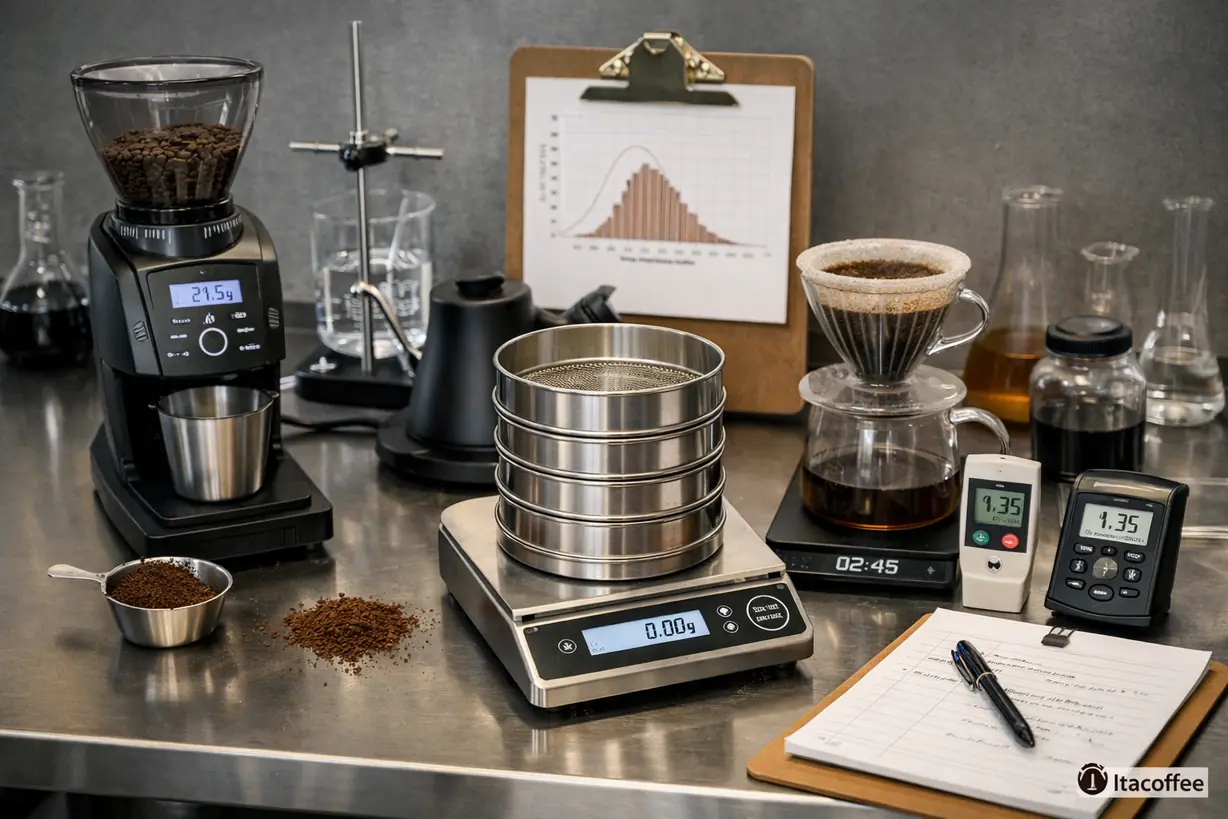
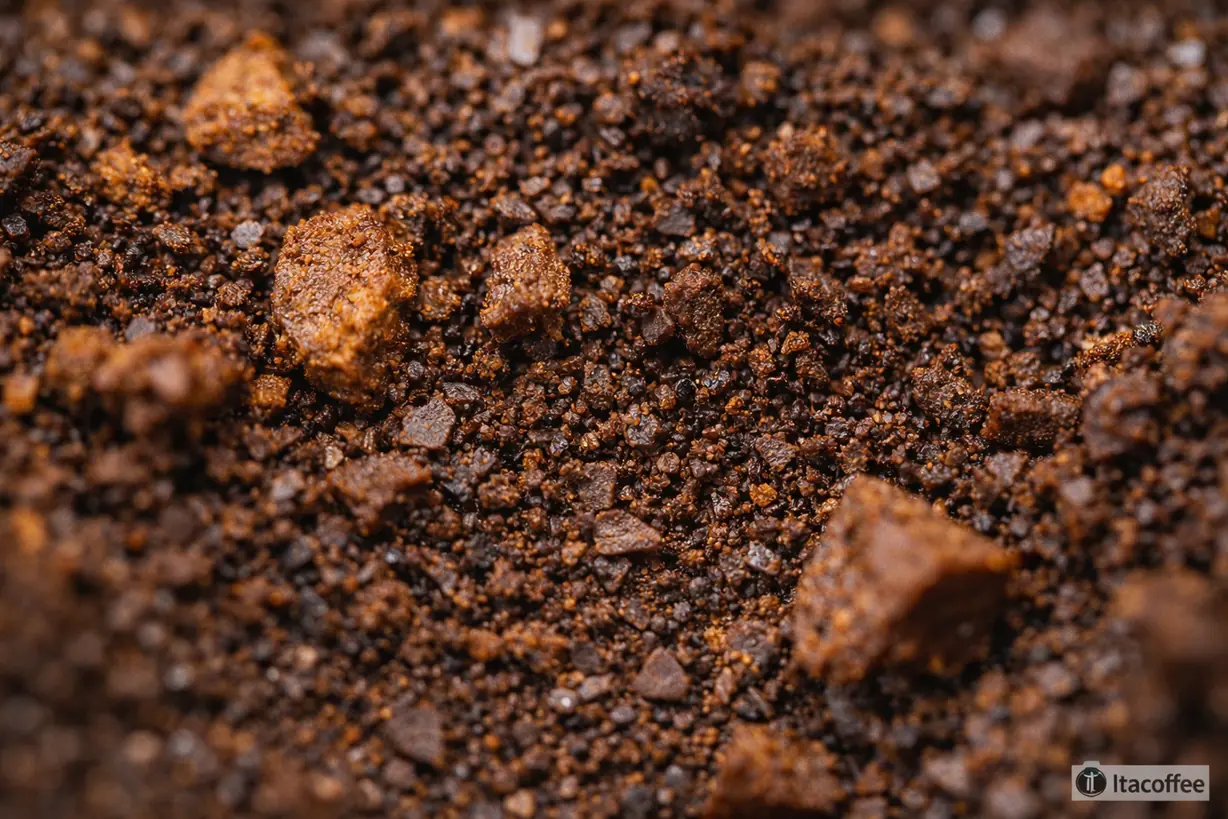
We evaluate grinders using sieve-based separation and visual analysis. The goal is to identify:
- Percentage of fines (very small particles)
- Presence of boulders (large uneven fragments)
- Overall distribution curve
A high-performing grinder produces a tight distribution centered around the target grind size. This is particularly critical for methods like pour over brewing, where water flow interacts dynamically with particle size.
2.2 Grind Adjustment Precision
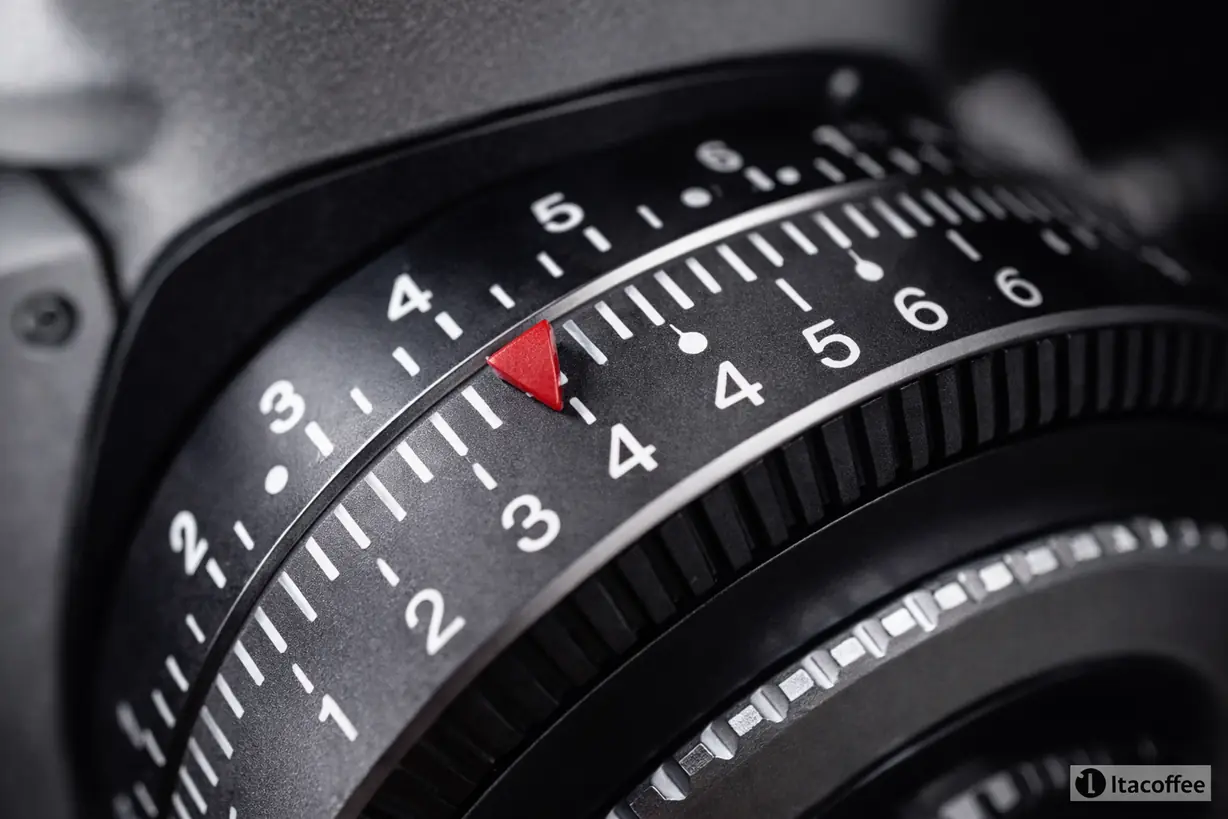
We test how precisely a grinder can move between grind settings. This includes:
- Step size (distance between settings)
- Repeatability (returning to the same setting consistently)
- Range (espresso to coarse immersion)
Fine adjustment is essential for espresso, where small changes dramatically affect flow rate, as explained in espresso flow rate physics.
2.3 Retention and Dose Accuracy
Retention refers to how much ground coffee remains inside the grinder after use. High retention introduces inconsistency between doses.
We measure:
- Input vs output weight difference
- Static buildup effects
- Impact on sequential brewing consistency
Low retention is critical for repeatable brewing, especially when applying controlled ratios as described in coffee brew ratios.
2.4 Grind Speed vs Heat Generation
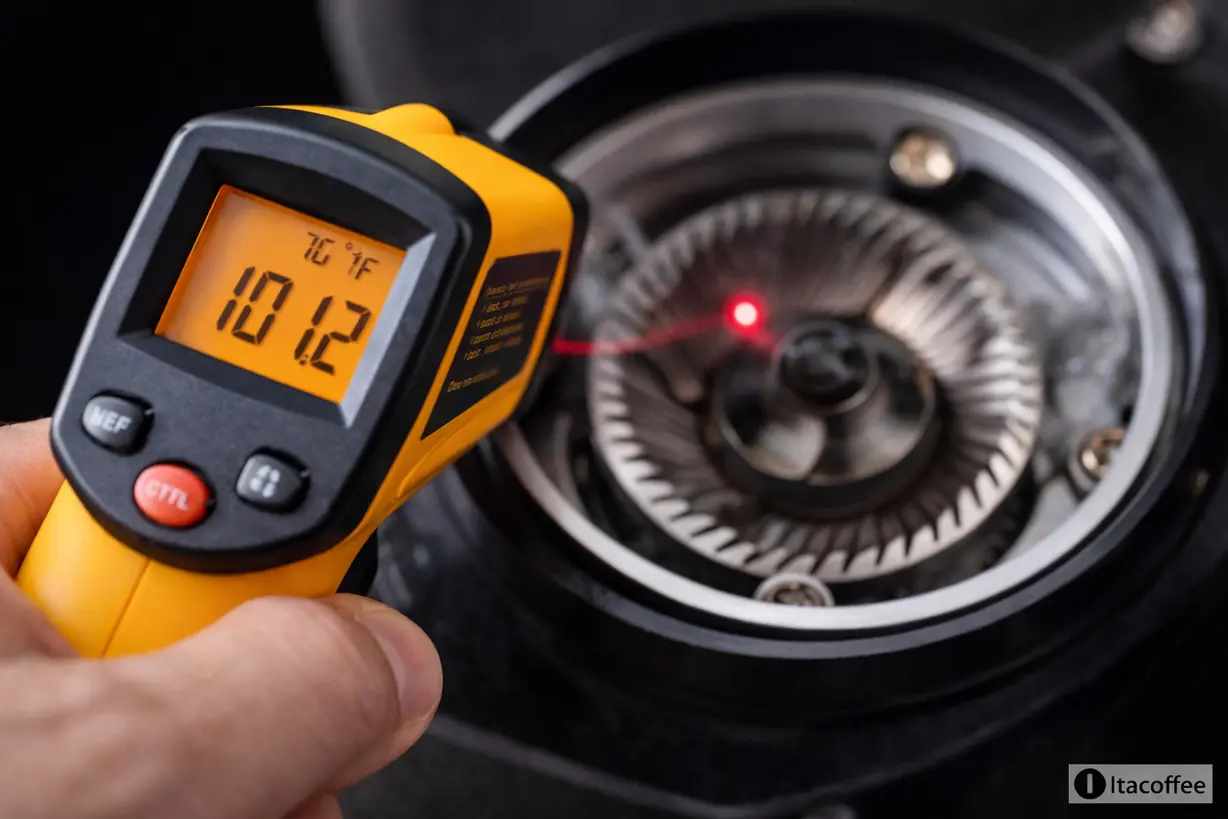
Grinding generates heat through friction. Excessive heat can:
- Accelerate volatile compound loss
- Alter perceived aroma
- Increase static and clumping
We measure grinding time and monitor temperature changes to ensure that speed does not compromise chemical stability.
3. Extraction-Based Validation
3.1 Brewing as a Testing Tool
A grinder cannot be evaluated in isolation. Its performance must be validated through brewing. We use controlled brewing protocols to observe:
- Flow rate stability
- Extraction time consistency
- Flavor clarity and separation
This aligns with the principles outlined in coffee extraction explained, where grind uniformity directly influences how evenly solubles dissolve.
3.2 Sensory Analysis (Without Subjectivity Bias)
We do not describe flavor using vague adjectives. Instead, we analyze:
- Balance (acid vs bitter compounds)
- Clarity (distinct flavor separation vs muddiness)
- Body (linked to fines content)
These observations are cross-referenced with physical measurements, ensuring that sensory results are supported by data rather than preference.
4. Burr Design and Its Impact
4.1 Burr Type: Conical vs Flat
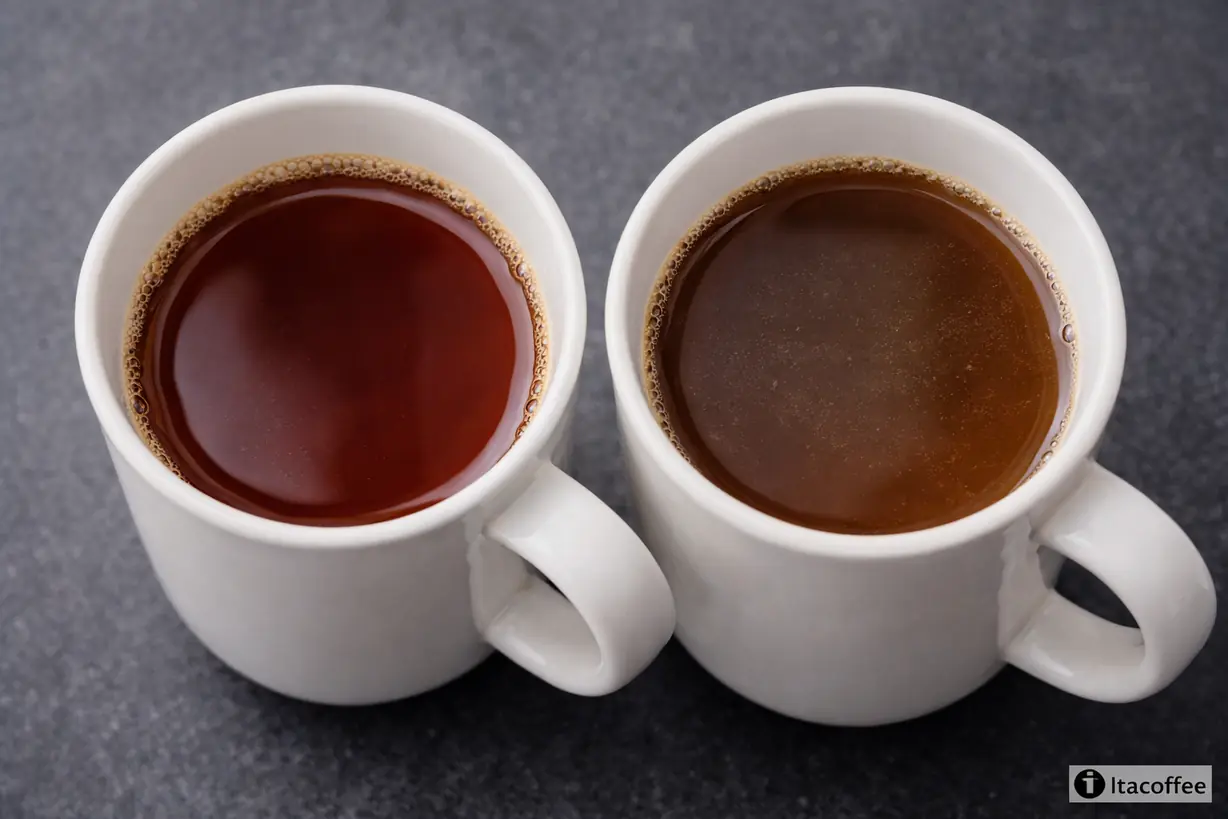
Different burr geometries produce different particle distributions. This is not inherently “better” or “worse”—it depends on brewing context.
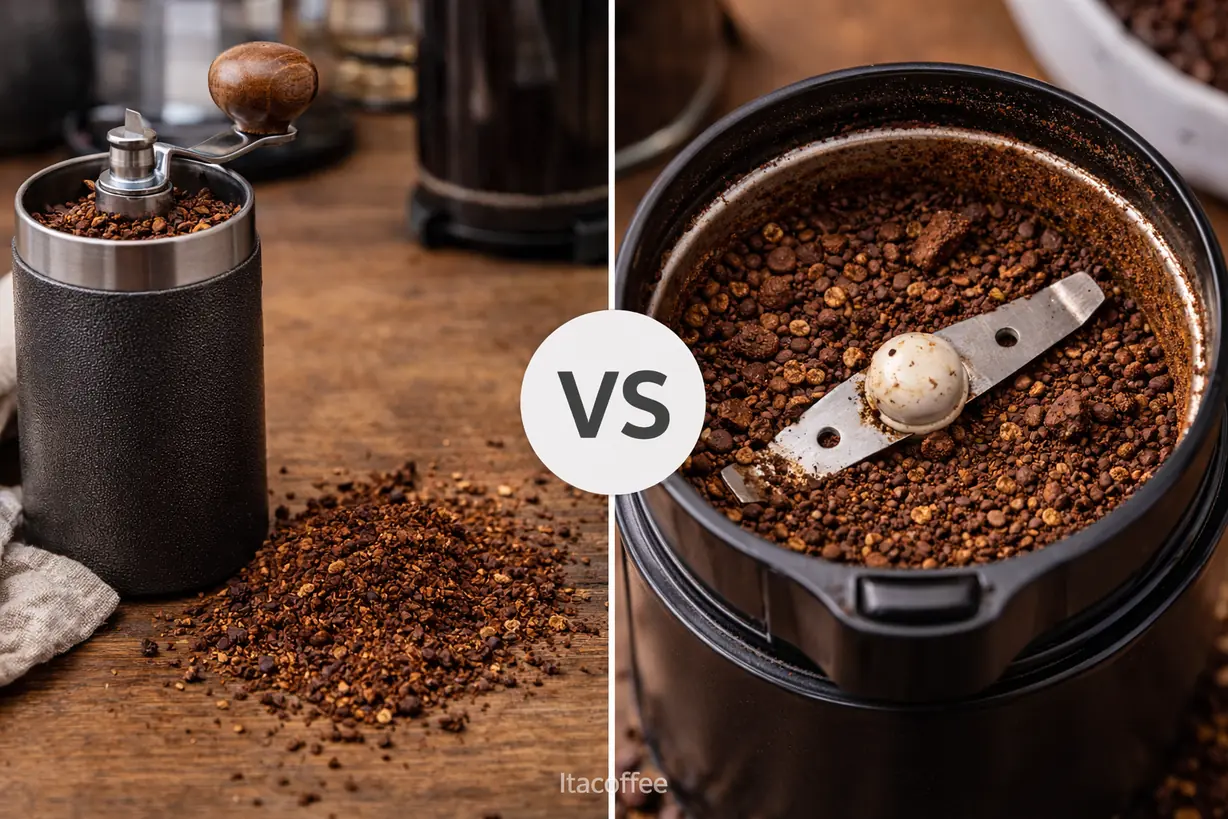
For a foundational comparison, see burr vs blade grinders, where consistency differences are analyzed at a structural level.
- Conical burrs: typically produce bimodal distributions (more fines + boulders)
- Flat burrs: tend toward unimodal distributions (more uniform particles)
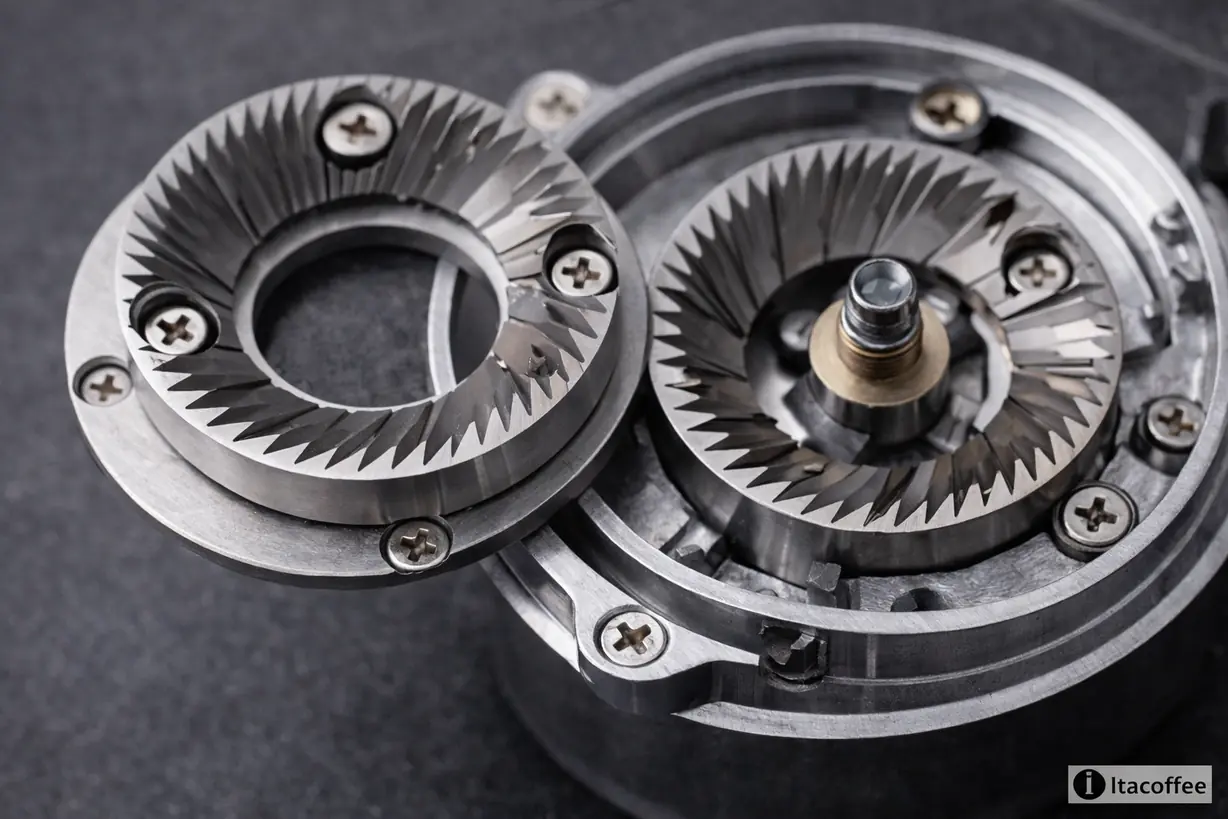
4.2 Alignment and Manufacturing Precision
Even high-quality burrs perform poorly if misaligned. We evaluate:
- Burr alignment stability over time
- Manufacturing tolerances
- Impact on particle uniformity
This is often overlooked in consumer reviews but has a measurable impact on extraction consistency.
5. Repeatability: The Most Overlooked Metric
A grinder must produce the same result across multiple uses. We test:
- Consistency across consecutive doses
- Stability after cleaning and reassembly
- Long-term drift in grind settings
Repeatability is what allows a user to refine brewing variables over time, as described in iterative brewing improvement.
Conclusion: Grinder Testing Is About Controlling Variables
A coffee grinder is not judged by how it looks or how fast it operates. It is evaluated based on how well it controls one critical variable: particle size distribution.
From this single variable, all other outcomes follow:
- Extraction uniformity
- Flavor balance
- Brewing repeatability
Understanding this relationship allows you to interpret grinder performance objectively, rather than relying on subjective impressions.
Itacoffee CTA
If you want to improve your coffee, begin by observing how grind size affects extraction in your own brewing process. Change one variable at a time, document the result, and compare outcomes across brews. Precision is not achieved through equipment alone, but through controlled experimentation.
For a structured starting point, revisit foundational principles in coffee brewing variables and apply them systematically.