Overwhelming bitterness in coffee is not a matter of taste preference. In precision brewing, it is a measurable sensory defect that indicates an extraction imbalance. While a baseline level of bitterness is intrinsic to coffee, a harsh, dry, or lingering bitter finish typically signals over-extraction—a condition in which water has dissolved too many heavy, late-stage compounds from the coffee bed.
Understanding why coffee tastes bitter allows you to isolate the responsible variable and correct it systematically. Water dissolves coffee compounds in a predictable sequence governed by solubility and molecular structure. When extraction proceeds too far, balance collapses and structural bitterness dominates the cup.
In This Guide
The Chemistry Behind Bitter Coffee
Two primary mechanisms produce excessive bitterness in brewed coffee:
- 1. Extraction Yield Imbalance. Structural plant compounds such as phenolics, tannins, and certain chlorogenic acid derivatives require more time and energy to dissolve. These compounds extract predominantly in the final phase of brewing and contribute bitterness and astringency (a dry, puckering sensation on the palate).
- 2. Roast-Induced Chemical Transformation. During roasting, chlorogenic acids degrade into chlorogenic acid lactones (moderately bitter). In darker roasts, continued thermal breakdown (pyrolysis) produces phenylindanes, which are intensely bitter and extract very rapidly.
Distinguishing between these mechanisms is critical. One is caused by roast chemistry. The other is caused by brewing parameters. Only the latter can be corrected at home.
The Chronology of Extraction: When Bitterness Appears
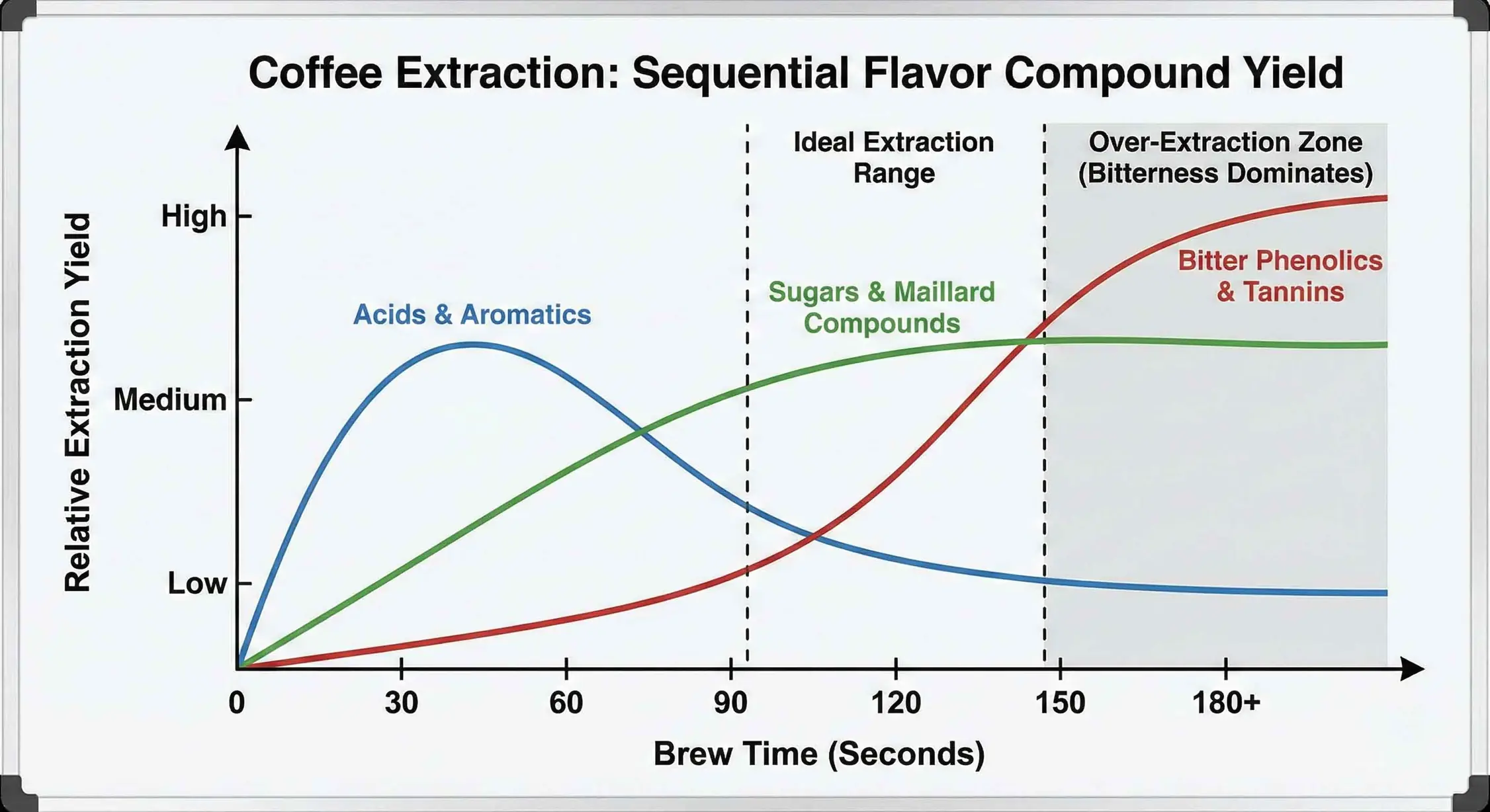
Extraction does not occur all at once. Water dissolves coffee compounds in phases:
- Phase 1 – Acids and Aromatics. Highly soluble fruit acids and volatile aromatics dissolve immediately, contributing brightness and fragrance.
- Phase 2 – Sugars and Maillard Compounds. Mid-weight compounds provide sweetness, body, and structural balance.
- Phase 3 – Heavy Structural Compounds. Larger molecules such as chlorogenic acid lactones, phenylindanes, and caffeine extract later, adding bitterness and a drying finish.
If your cup tastes muddy, aggressively bitter, or leaves a dry coating on the tongue, extraction has extended too deeply into Phase 3. The practical objective of brewing is to maximize Phase 2 while minimizing excessive Phase 3 extraction.
Roast Bitterness vs. Extraction Bitterness
Roast-Induced Bitterness: Darker roasts inherently contain more bitter compounds due to thermal degradation during roasting. This bitterness is embedded in the bean’s chemistry. Brewing adjustments can moderate intensity but cannot remove these compounds entirely. For a deeper technical explanation, see: Dark Roast vs Light Roast: What Roasting Really Changes in Coffee Flavor
Extraction Bitterness: This occurs when brewing variables—grind size, brew time, water temperature, or brew ratio—push extraction beyond optimal yield. It is typically perceived as dry, sharp, or hollow, similar to over-steeped black tea.
Four Mechanical Adjustments That Reduce Bitter Coffee
Calibration rule: Change only one variable at a time.
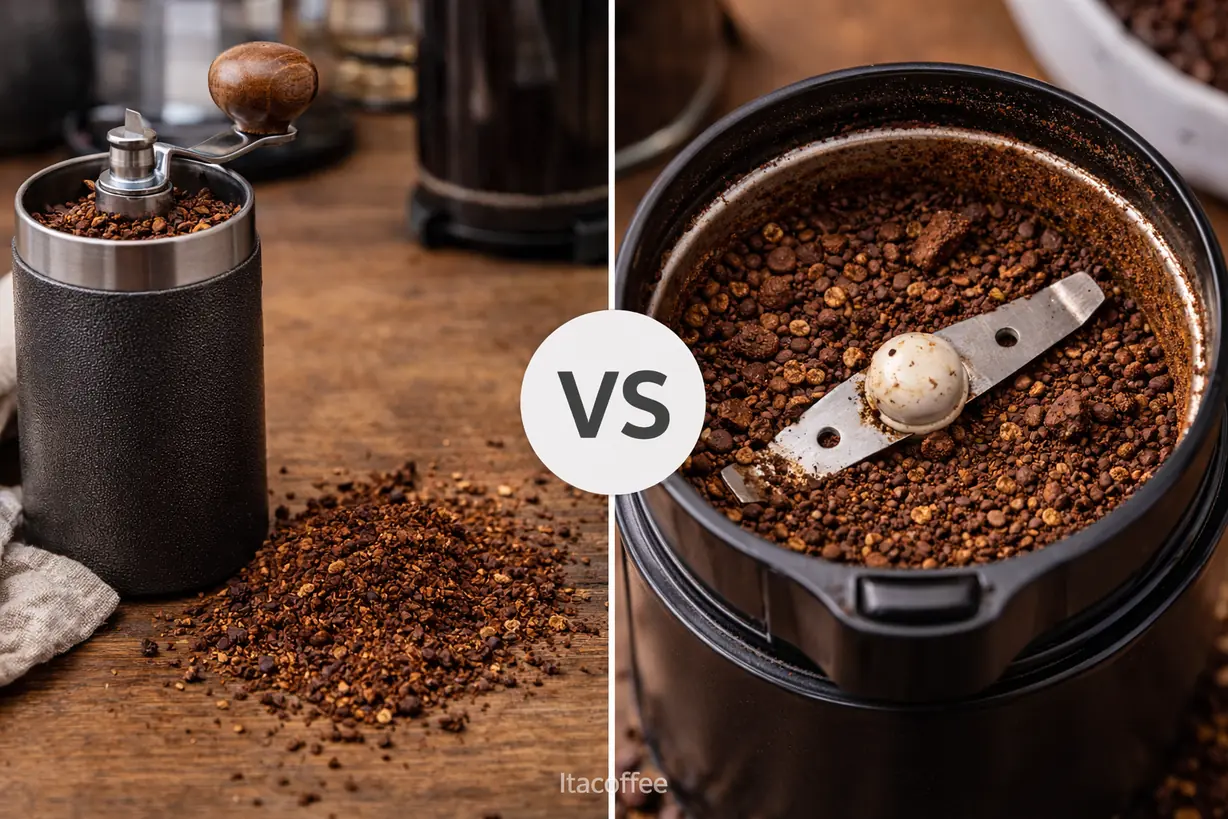
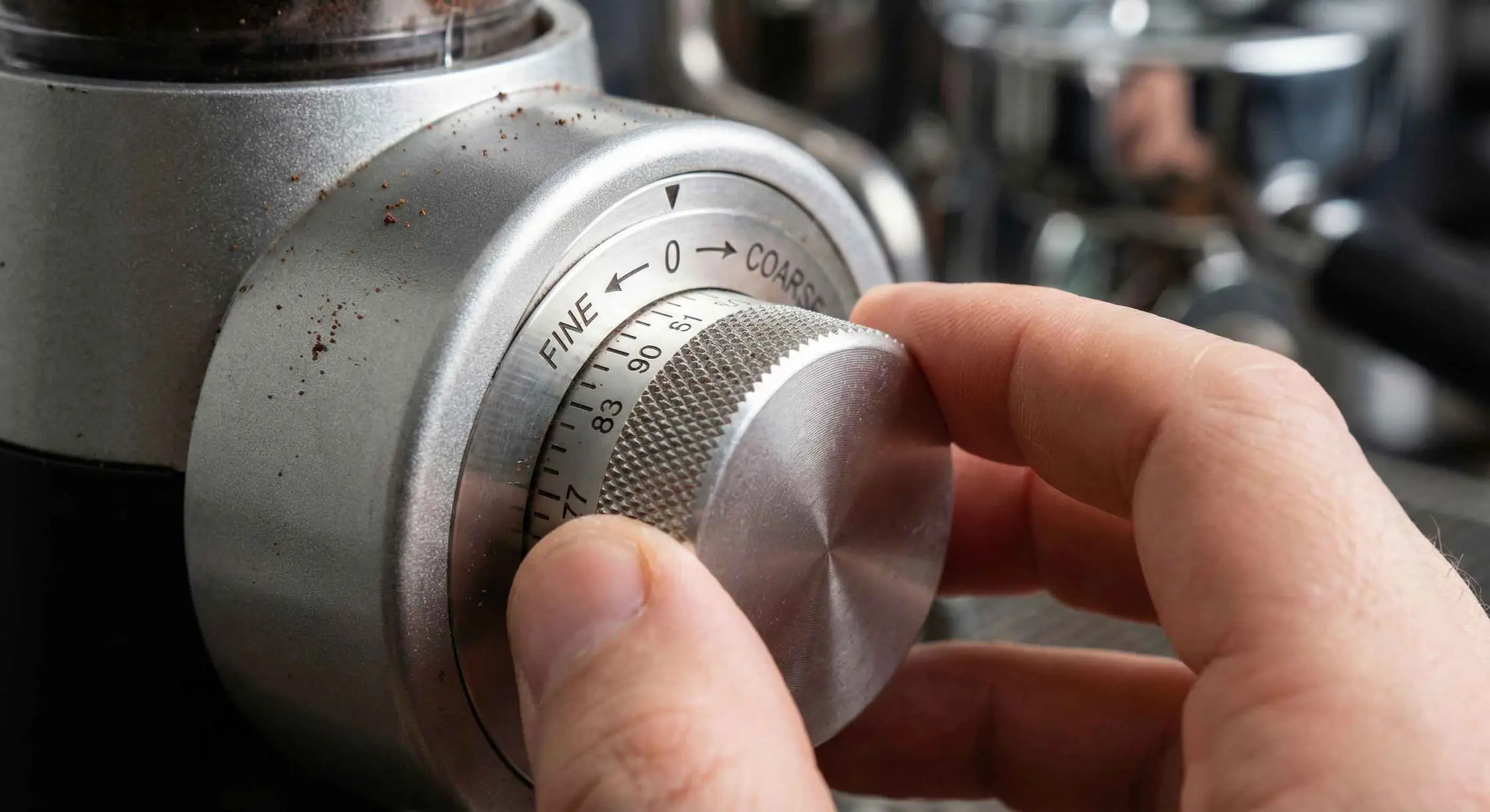
1. Grind Coarser (Reduce Surface Area)
Fine particles expose massive surface area and slow water flow, increasing extraction yield. A coarser grind reduces surface exposure and speeds percolation, limiting late-stage compound dissolution.
Further reading:Coffee Grind Size Extraction Explained: The Physics of Surface Area
2. Lower Water Temperature (Reduce Solvent Energy)
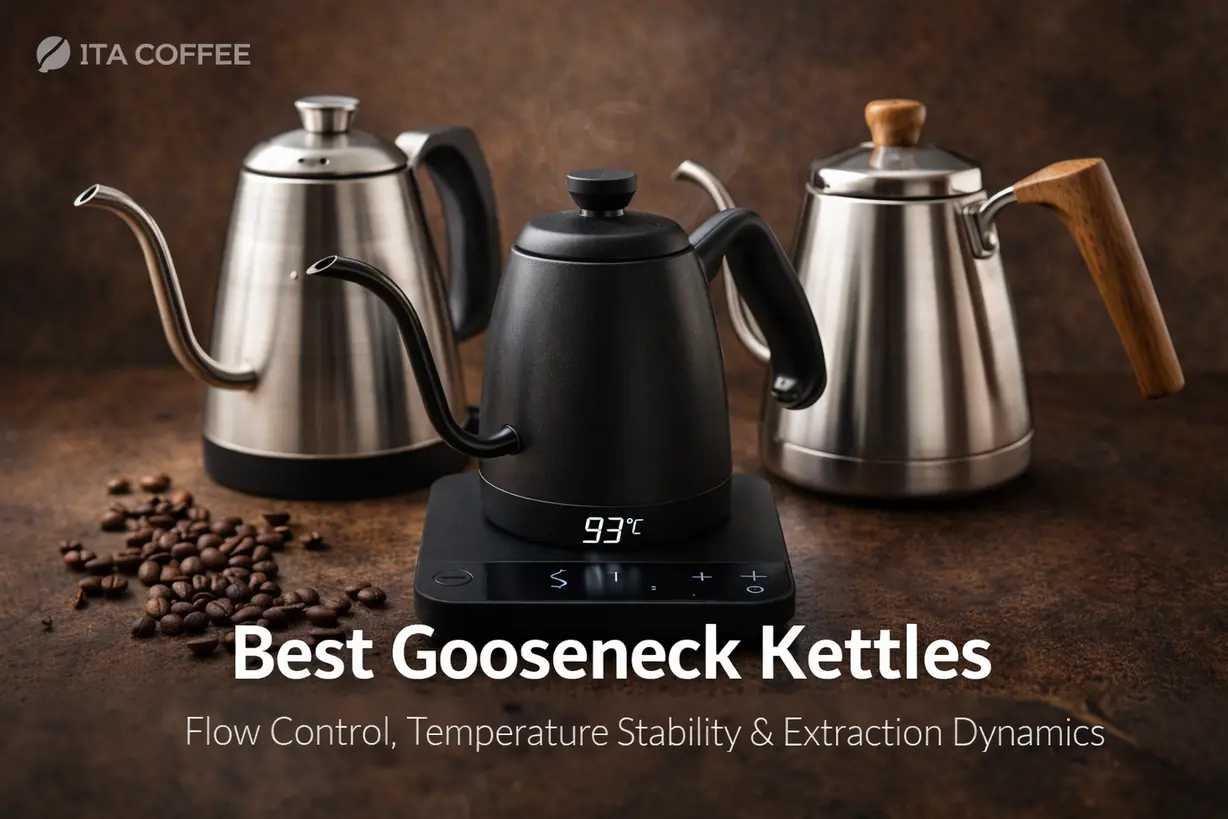
Higher temperatures increase molecular kinetic energy, accelerating dissolution of complex bitter compounds. If using dark roasts, consider brewing between 85°C–92°C (185°F–198°F) instead of near-boiling water.
Further reading:Water Temperature for Coffee: 3 Science-Backed Rules for Better Extraction
3. Shorten Brew Time (Limit Contact Duration)
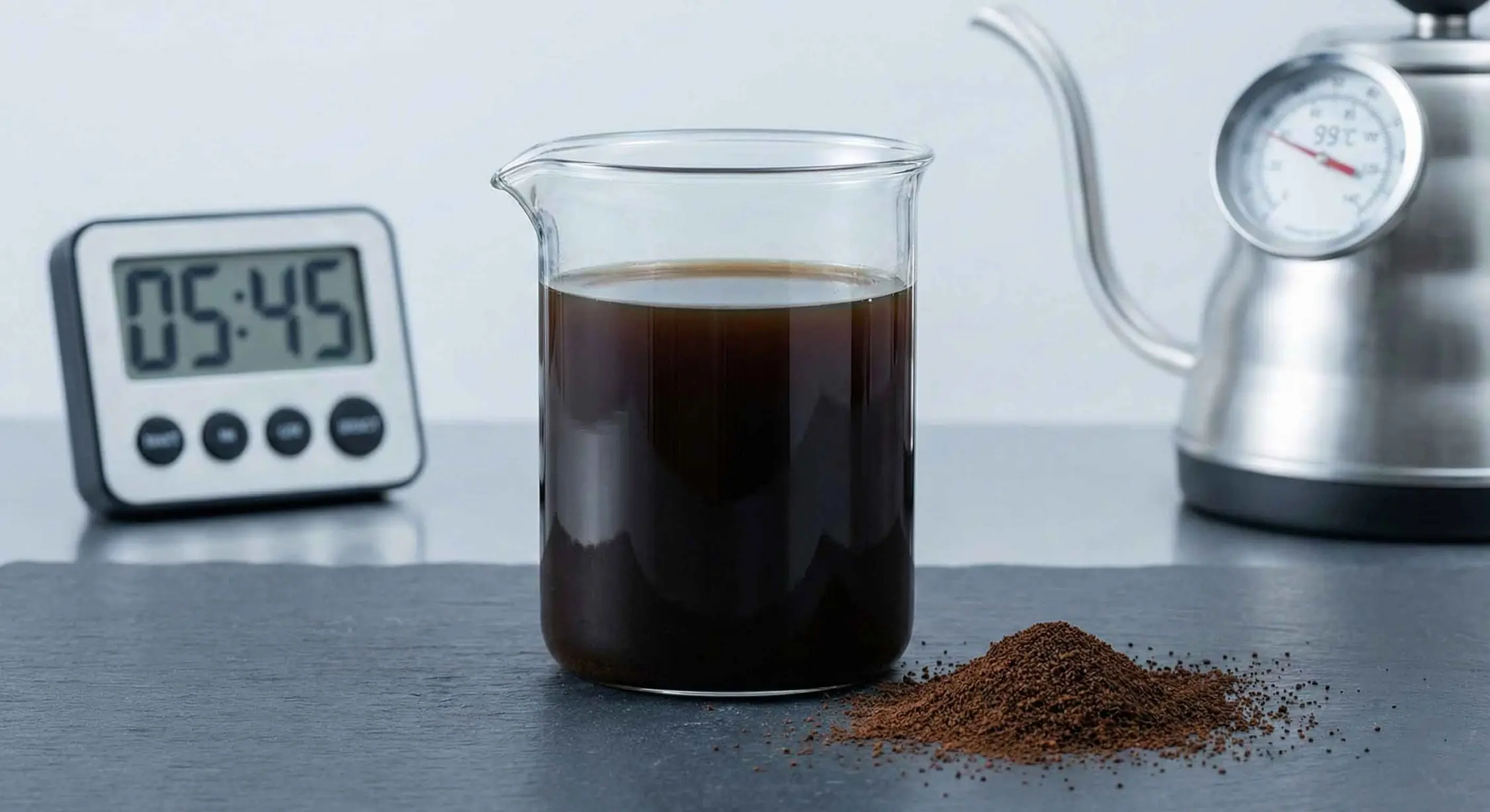
Extended contact inevitably increases extraction yield. Reduce steep time in immersion methods or encourage faster drawdown in pour-over brewing.
4. Adjust the Brew Ratio (Control Solvent Volume)
Excessively diluted ratios (1:18–1:20) push large volumes of water through depleted grounds, increasing late-stage extraction. Ratios closer to 1:14–1:16 often produce a more controlled and balanced cup.
Further reading:Coffee Brew Ratios Explained: A Technical Guide to Precision Extraction
Diagnosis Table: Bitter vs. Sour
| Taste Result | Likely Cause | Primary Adjustment |
|---|---|---|
| Bitter, dry, slow drawdown | Over-extraction | Grind coarser or lower temperature |
| Sharp, sour, thin, fast drawdown | Under-extraction | Grind finer or raise temperature |
Frequently Asked Questions
Why is my coffee bitter even with a coarse grind?
Channeling may be occurring. Water follows paths of least resistance through uneven coffee beds, causing localized over-extraction. Improving distribution and agitation consistency can resolve this imbalance.
Are dark roasts always bitter?
No. Dark roasts contain more bitter compounds, but they are also highly soluble. Brewing them with cooler water and shorter contact times can produce chocolate-forward, balanced cups rather than harsh ones.
Conclusion
Bitterness is not random. It is a physical signal that extraction has exceeded balance. By systematically adjusting grind size, temperature, time, or ratio, you regain control over the solvent and the extraction curve.
Coffee brewing is not guesswork. It is applied chemistry—one variable at a time.
— ITA Coffee | Brewing Guides for Curious, Thoughtful Coffee Makers
Editorial note: This article was developed with AI-assisted drafting and human review to ensure clarity, accuracy, and an educational, non-commercial tone.