Coffee accessories that actually matter are not defined by how many tools you own, but by how directly they influence extraction control.
In coffee brewing, extraction refers to how water dissolves soluble compounds from ground coffee. This process is governed by variables such as grind size, water temperature, brew ratio, and time.
Accessories only matter if they help control these variables. Tools that do not influence extraction are secondary.
Understanding coffee accessories that actually matter therefore requires a shift in perspective—from collecting equipment to controlling brewing physics.
In This Guide
Coffee Accessories That Actually Matter: The Core Principle
The effectiveness of any coffee accessory can be evaluated using one question:
- Does this tool improve control over extraction variables?
If the answer is yes, the accessory has functional value. If not, it is optional.
For a full breakdown of these variables, see
Coffee Brewing Basics: Grind Size, Ratio, and Time.
The Coffee Scale: Controlling Brew Ratio
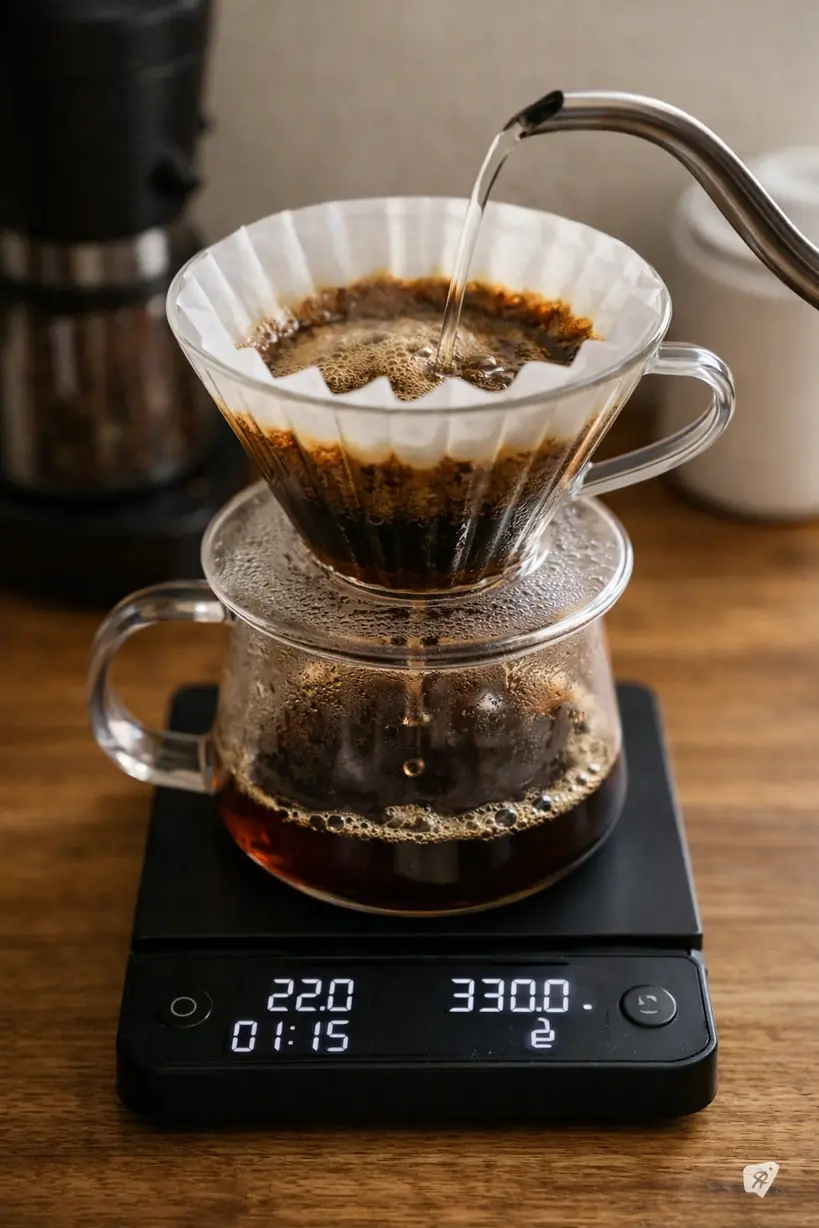
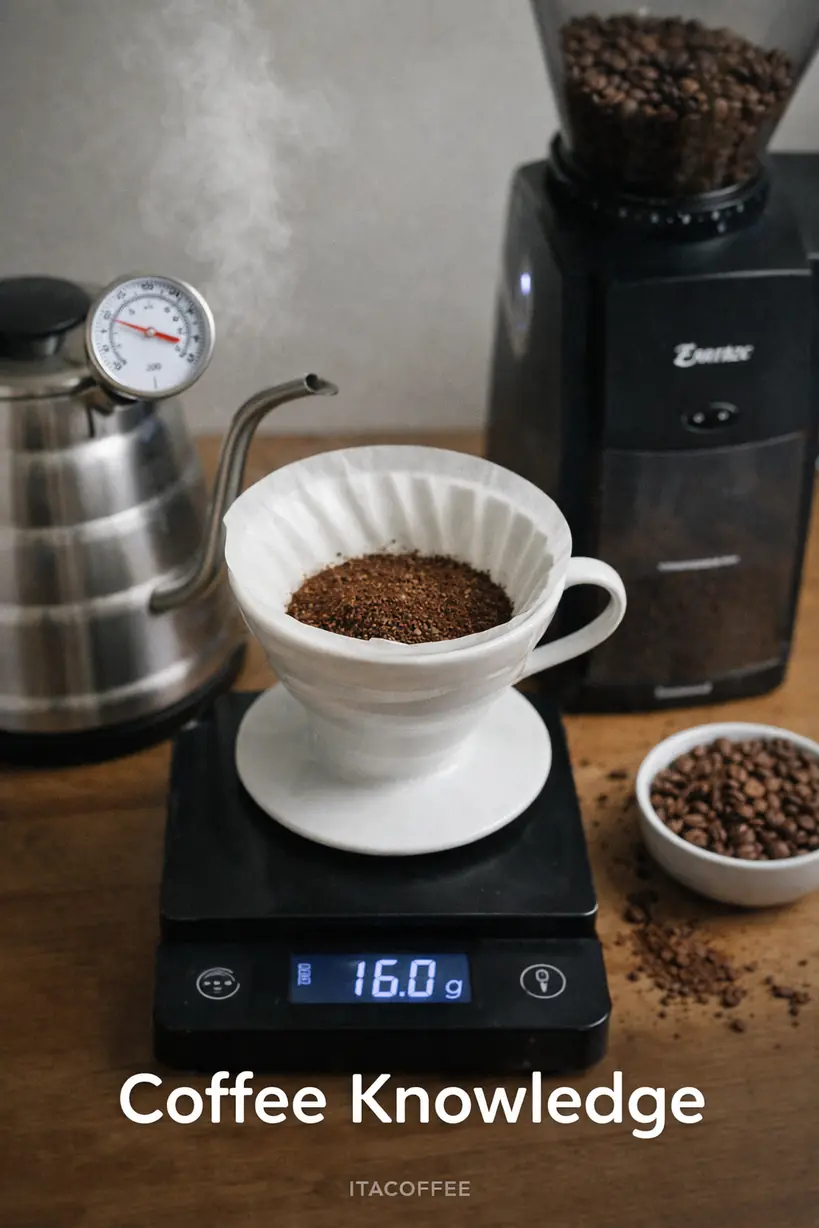
A coffee scale is one of the most critical tools in coffee accessories that actually matter.
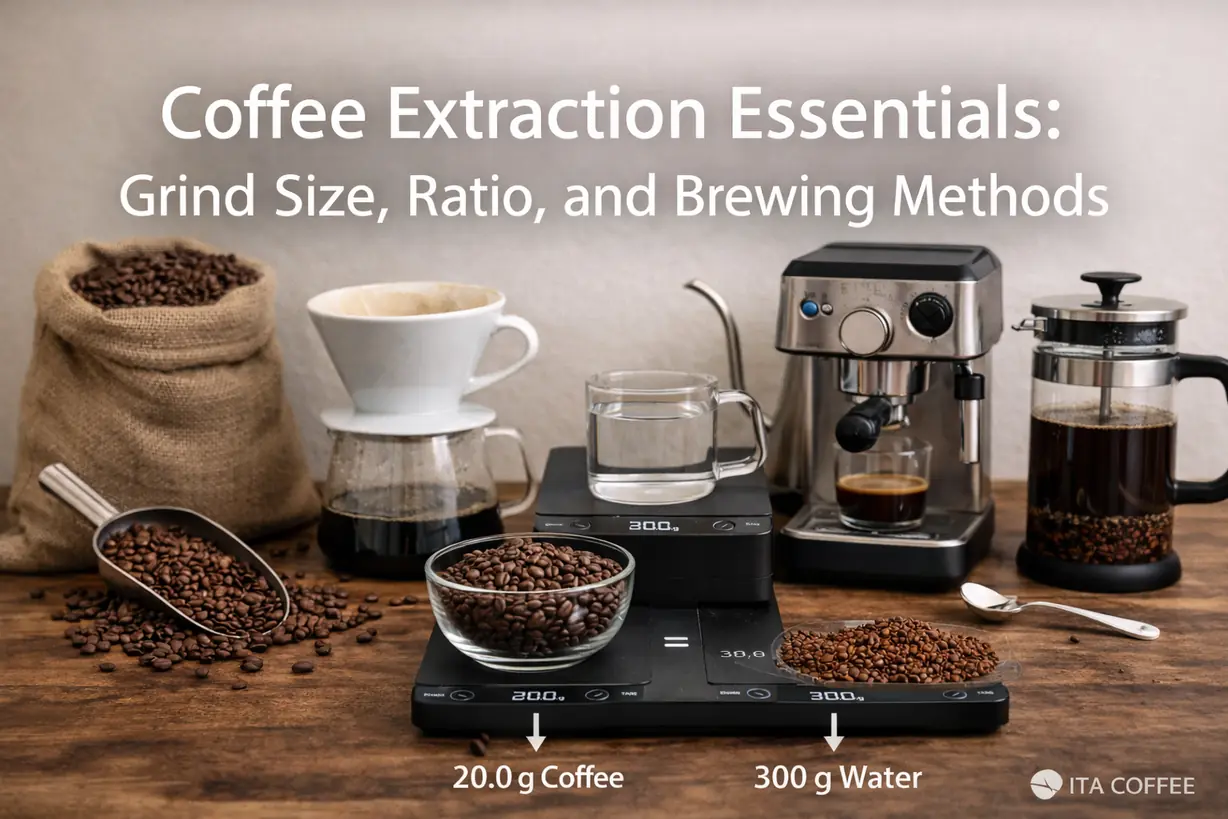
Brew ratio refers to the relationship between coffee mass and water mass (e.g., 1:16). This ratio determines extraction strength and balance.
- Too much coffee → under-extraction (sour, dense)
- Too little coffee → over-extraction (bitter, thin)
Without a scale, brew ratio becomes inconsistent and unrepeatable.
A deeper explanation is available in
Coffee Brew Ratios Explained: A Technical Guide to Precision Extraction.
The Grinder: Controlling Surface Area and Extraction Rate
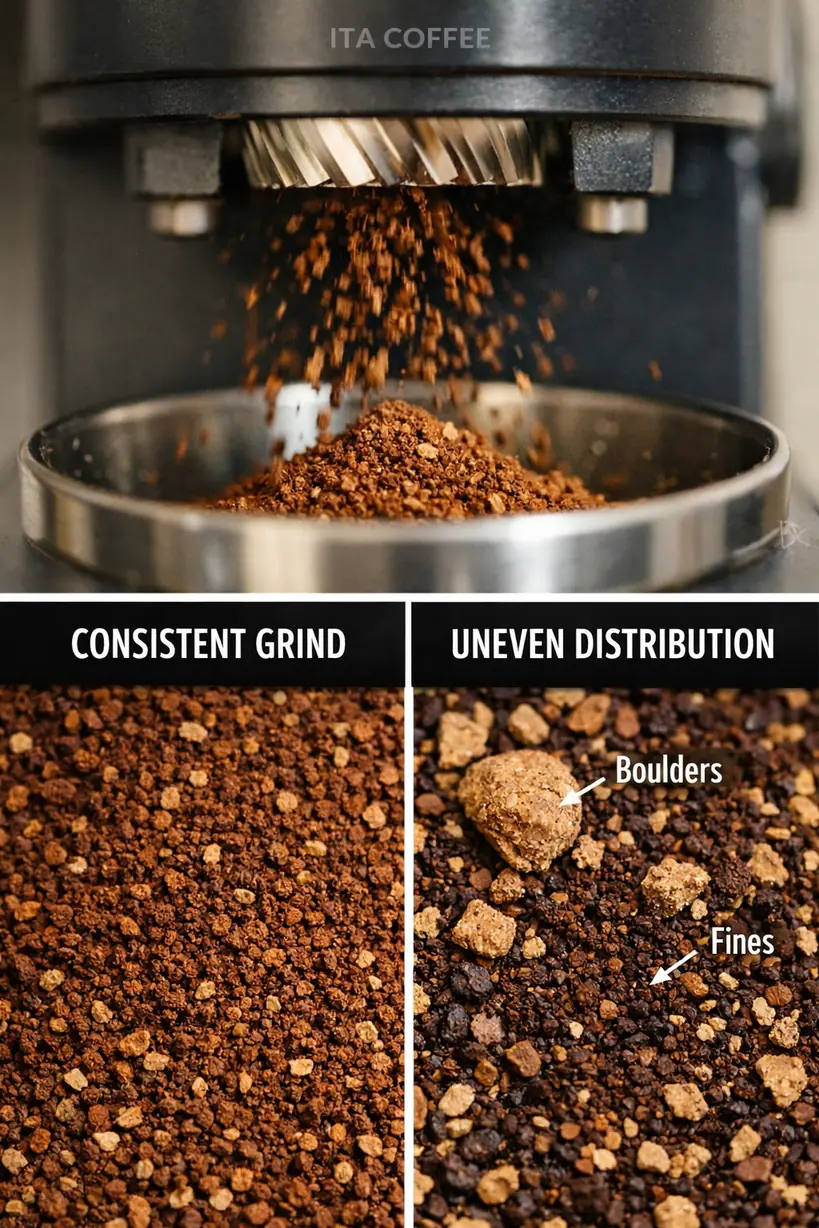
The grinder is not optional—it is foundational.
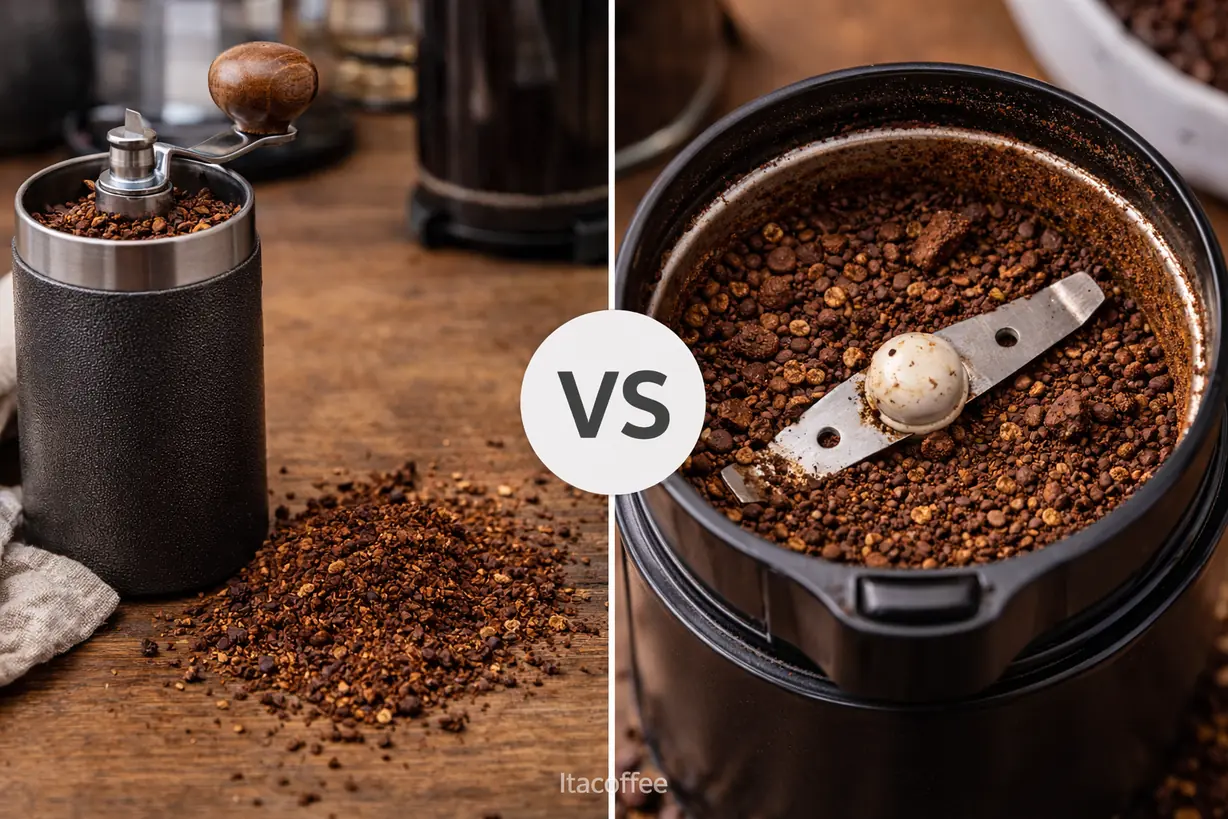
Grind size determines surface area. Smaller particles increase extraction speed, while larger particles slow it down.
However, consistency is more important than size alone.
- Fines (very small particles) → over-extract quickly
- Boulders (large particles) → under-extract slowly
This creates uneven extraction, which is explained in
Under vs Over Extraction Explained: The Science of Coffee Flavor.
For a technical breakdown, see
Coffee Grind Size Extraction Explained: The Physics of Surface Area.
The Pour Over Kettle: Controlling Flow Rate and Saturation
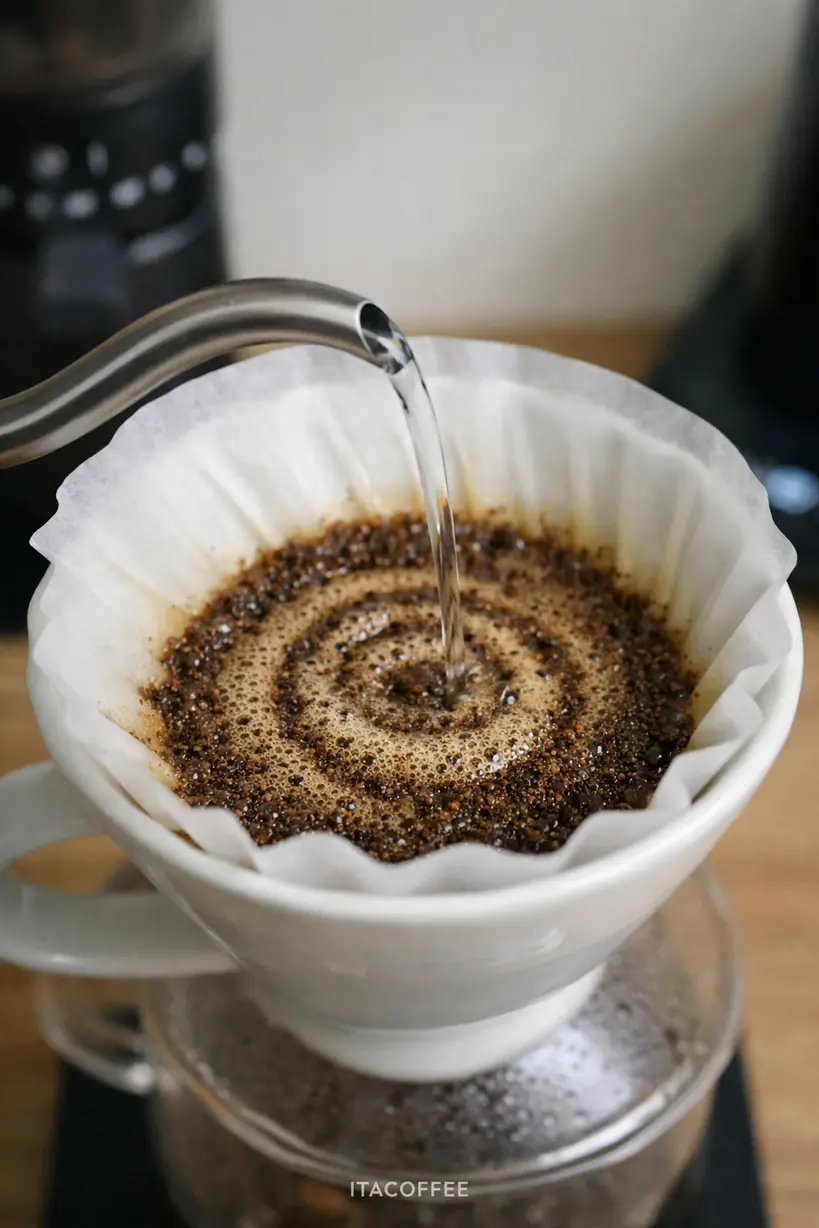
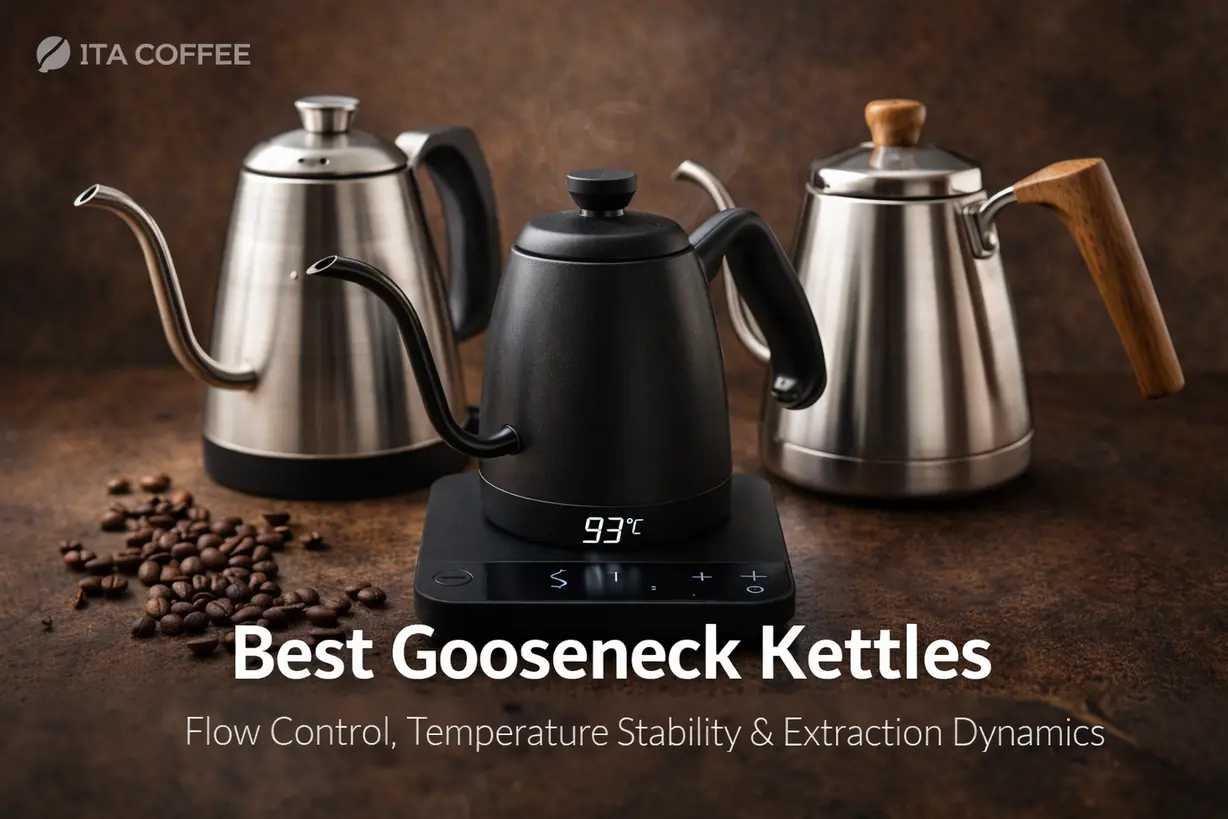
A kettle affects how water interacts with coffee grounds.
Flow rate determines how evenly water saturates the coffee bed. Uneven pouring can lead to channeling, where water bypasses parts of the coffee.
This reduces extraction efficiency and creates inconsistent flavor.
For a deeper explanation, see
Coffee Channeling Explained: Causes, Effects, and How to Fix Uneven Extraction.
A well-designed kettle improves control over:
- Pour speed
- Water distribution
- Extraction uniformity
More details are covered in
What Makes a Good Pour Over Kettle (A Scientific Guide to Flow Control & Extraction).
Water Temperature Control: Managing Solubility
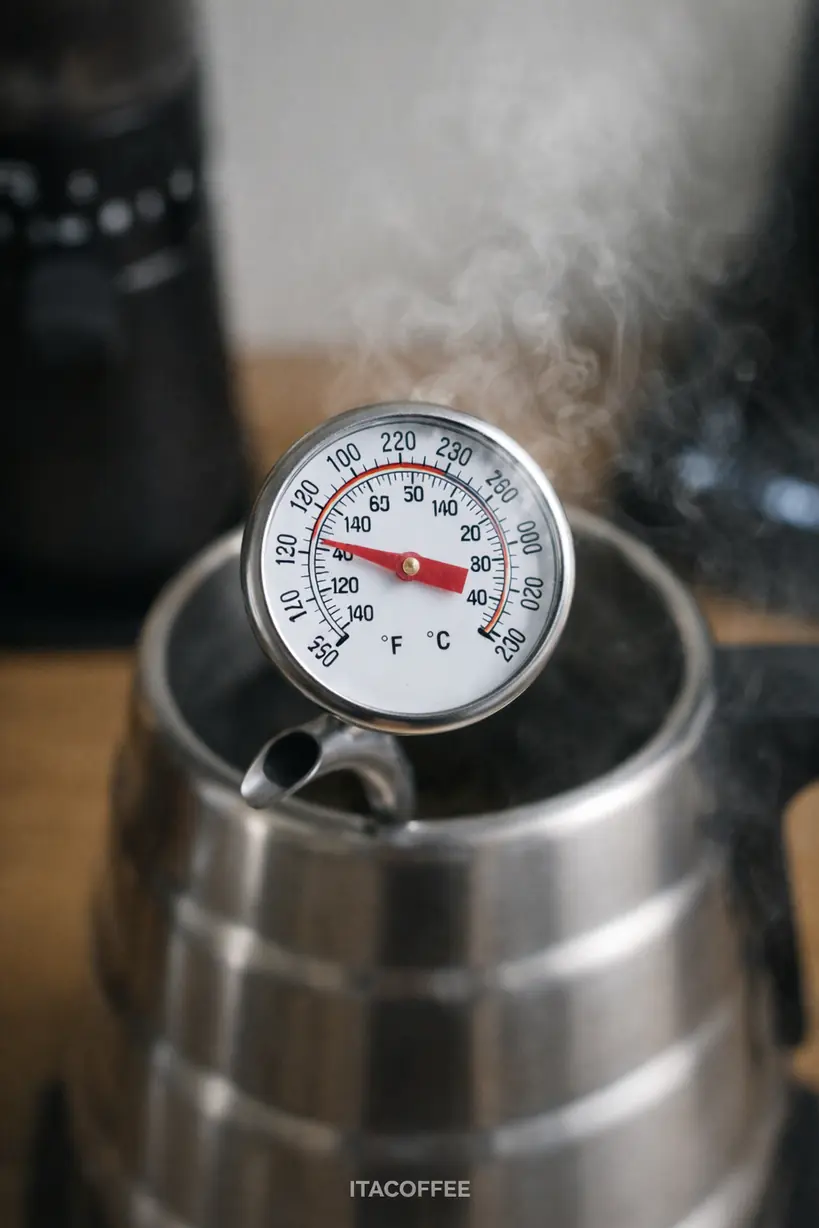
Water temperature affects how easily compounds dissolve from coffee grounds.
- Higher temperature → faster extraction
- Lower temperature → slower extraction
Temperature instability leads to inconsistent results across brews.
Scientific guidelines are explained in
Water Temperature for Coffee: 3 Science-Backed Rules for Better Extraction.
Accessories That Matter Less Than You Think
Not all accessories meaningfully affect extraction.
- Decorative storage containers
- Non-precision scoops
- Uncalibrated thermometers
These tools may improve convenience but do not directly control brewing variables.
This aligns with the principle explained in
Why Expensive Coffee Gear Doesn’t Fix Bad Coffee.
The Four Accessories That Actually Matter
When evaluating coffee accessories that actually matter, four tools consistently provide the highest impact:
- Coffee scale → controls ratio
- Grinder → controls particle size and consistency
- Kettle → controls flow and saturation
- Temperature control → controls solubility
If these variables are stable, brewing becomes predictable.
This is why even a minimal coffee gear setup can produce high-quality coffee when variables are controlled correctly.
Conclusion
Coffee accessories that actually matter are those that improve control over extraction—not those that increase complexity.
Once grind size, ratio, temperature, and flow are controlled, flavor becomes consistent and repeatable.
For industry standards and research, refer to the
Specialty Coffee Association research.
At ITA Coffee, we approach brewing as a system of variables rather than a collection of tools.
Focus on controlling one variable at a time. Measure it. Adjust it. Observe the result.
This is how coffee improves—not through more gear, but through better understanding.