Many coffee questions sound simple on the surface.
This is one of them.
If coffee tastes weak, the instinctive fix is obvious: use more coffee.
More grounds should mean more strength, right?
Sometimes that works.
Sometimes it does the opposite.
Understanding why requires separating two ideas that are often mixed together in brewing: coffee strength and coffee extraction. Once you see how they differ, the “more coffee” rule stops looking universal—and starts looking conditional.
In This Guide
What “Stronger” Actually Means in Coffee
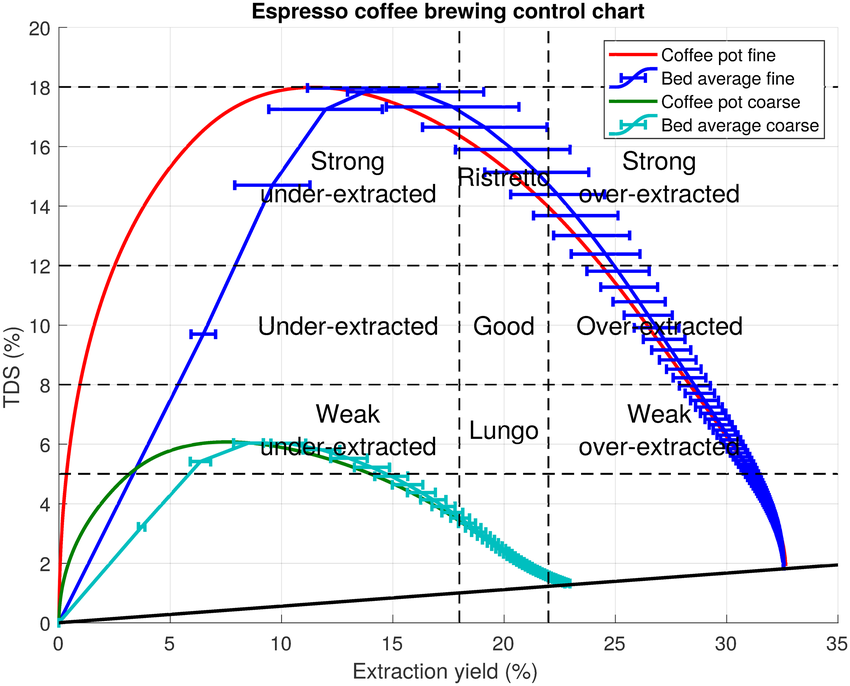
When people say coffee is “strong,” they can mean two very different things.
One meaning is concentration: how intense the coffee tastes on your tongue. This is influenced by how much coffee material ends up dissolved in the water.
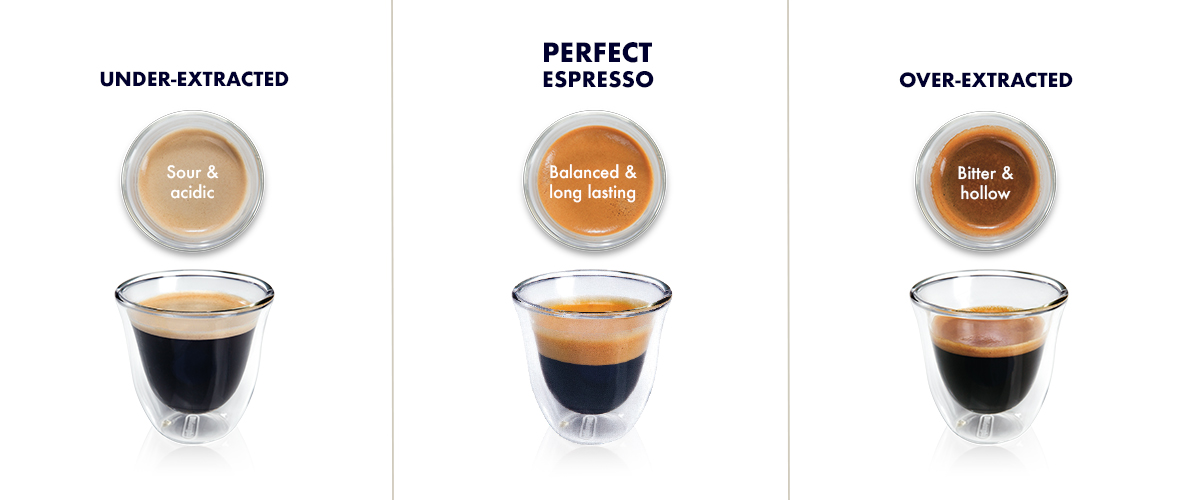
The other meaning is extraction quality: whether the flavors were pulled evenly and completely from the grounds. Poor extraction can taste sour, thin, or hollow—even if the brew looks dark.
This difference is explained in detail in our guide on coffee extraction, but the short version is simple: extraction is about how well flavor is pulled out, not just how much coffee you use.
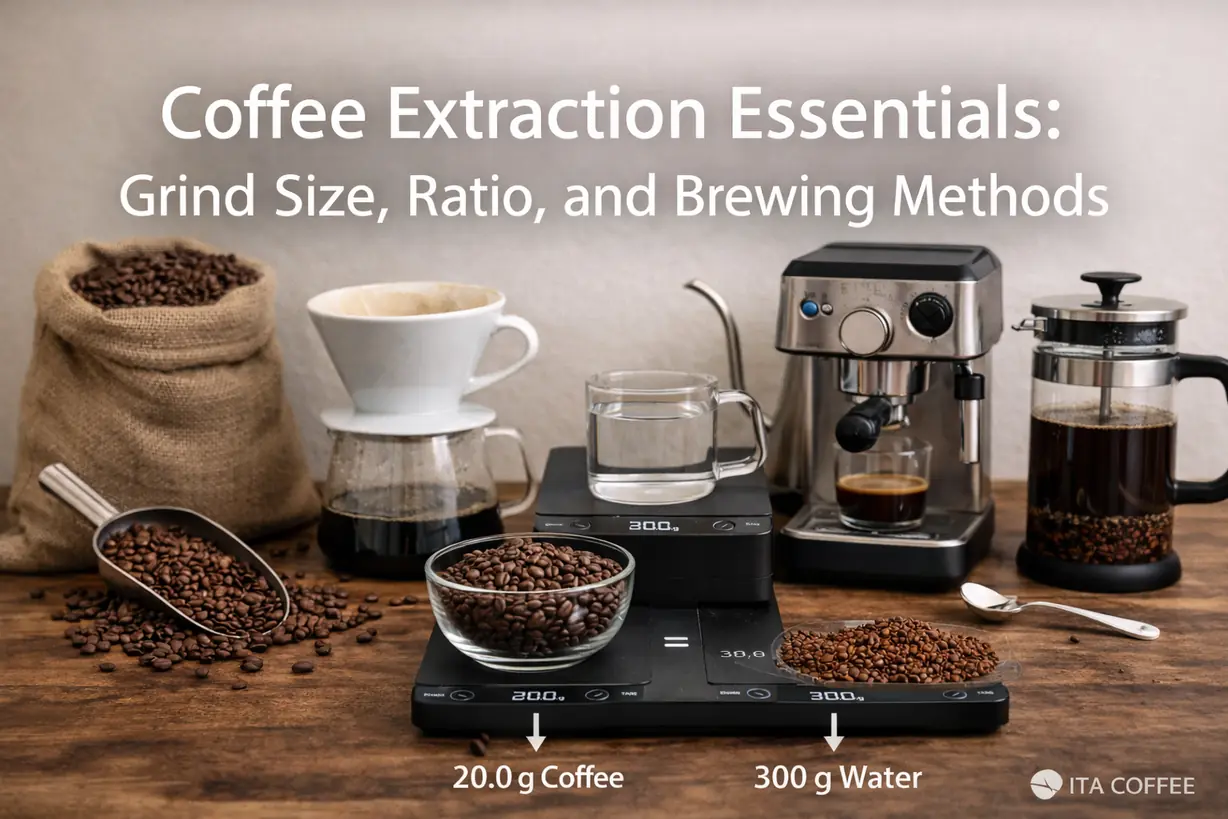
To understand how grind size, brew ratio, and time influence both strength and extraction, see Coffee Brewing Basics: Grind Size, Ratio, and Time.
Using more coffee mostly affects concentration, not extraction.
And that distinction matters more than it sounds.
Most brewing mistakes come from confusing these two ideas.
When More Coffee Does Make It Stronger
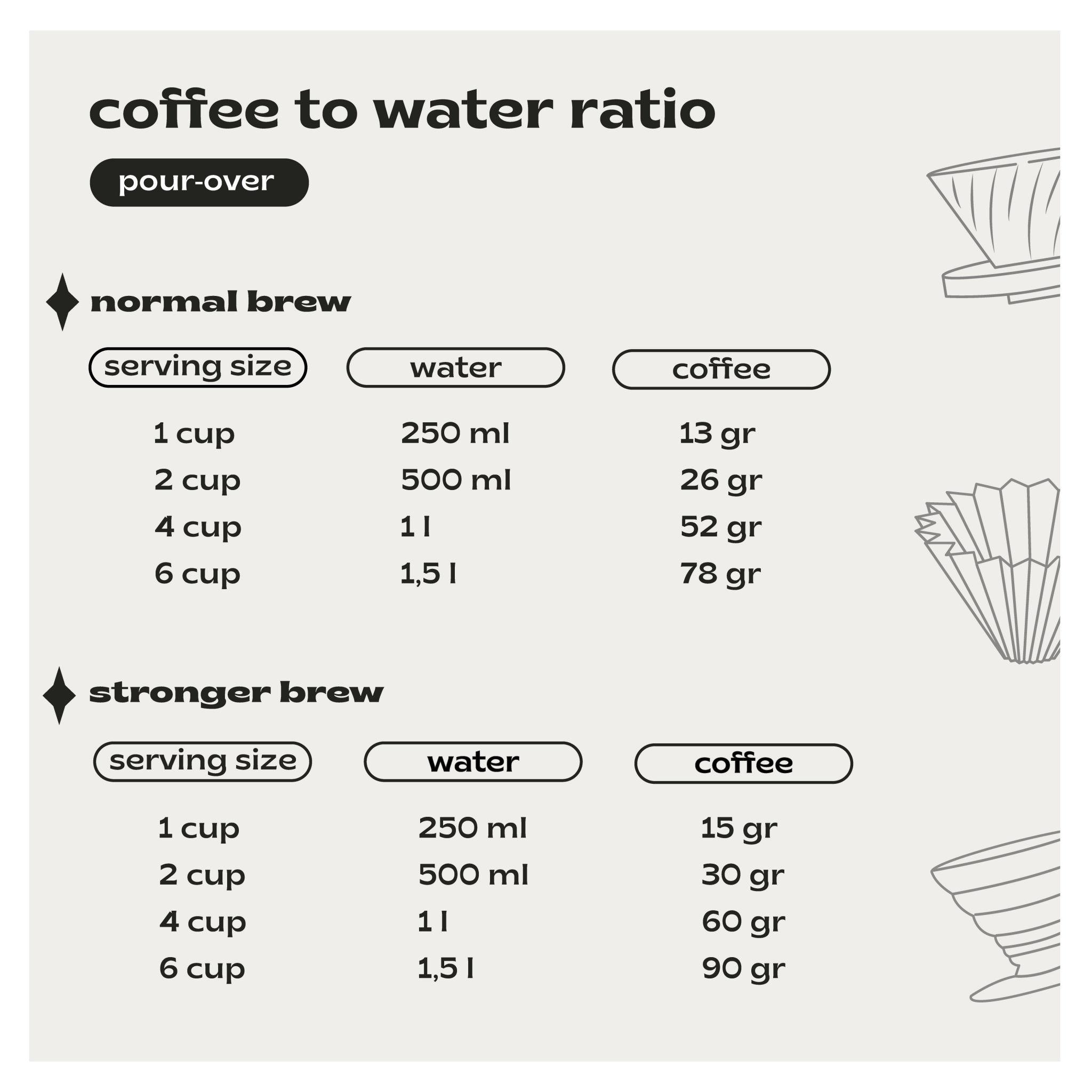
If everything else stays the same—grind size, brew time, water temperature—and the coffee is already extracting evenly, adding more coffee generally increases concentration.
For example:
- Same brewer
- Same water volume
- Same grind
- Same time
More coffee means more soluble material competing for the same water, so the final cup can taste heavier, denser, and more intense.
This is why espresso uses a high coffee-to-water ratio, as outlined in our How to Make Espresso guide, and why café-style brews often taste “stronger” than drip coffee at home.
But this logic only holds until extraction breaks down.
When More Coffee Makes Coffee Worse (or Weaker)
Here’s where the intuition fails.
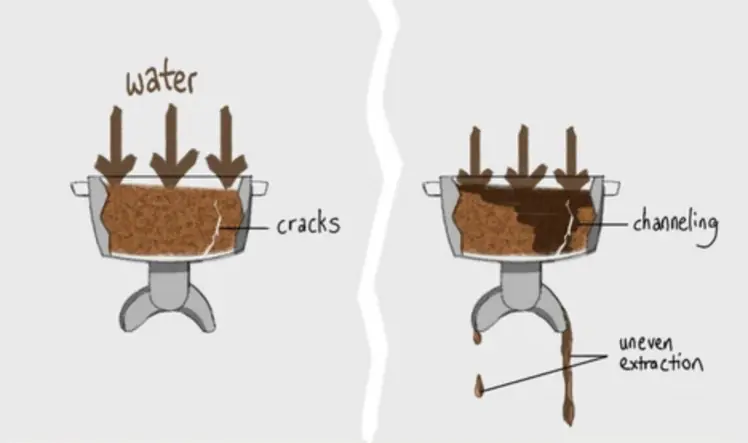
Water can only extract so much, and it needs contact time and access to do it. When you add more coffee without adjusting anything else, several problems can appear:
- Water struggles to reach all the grounds evenly
- Brew beds become thicker and resist flow
- Some coffee extracts too little, others too much
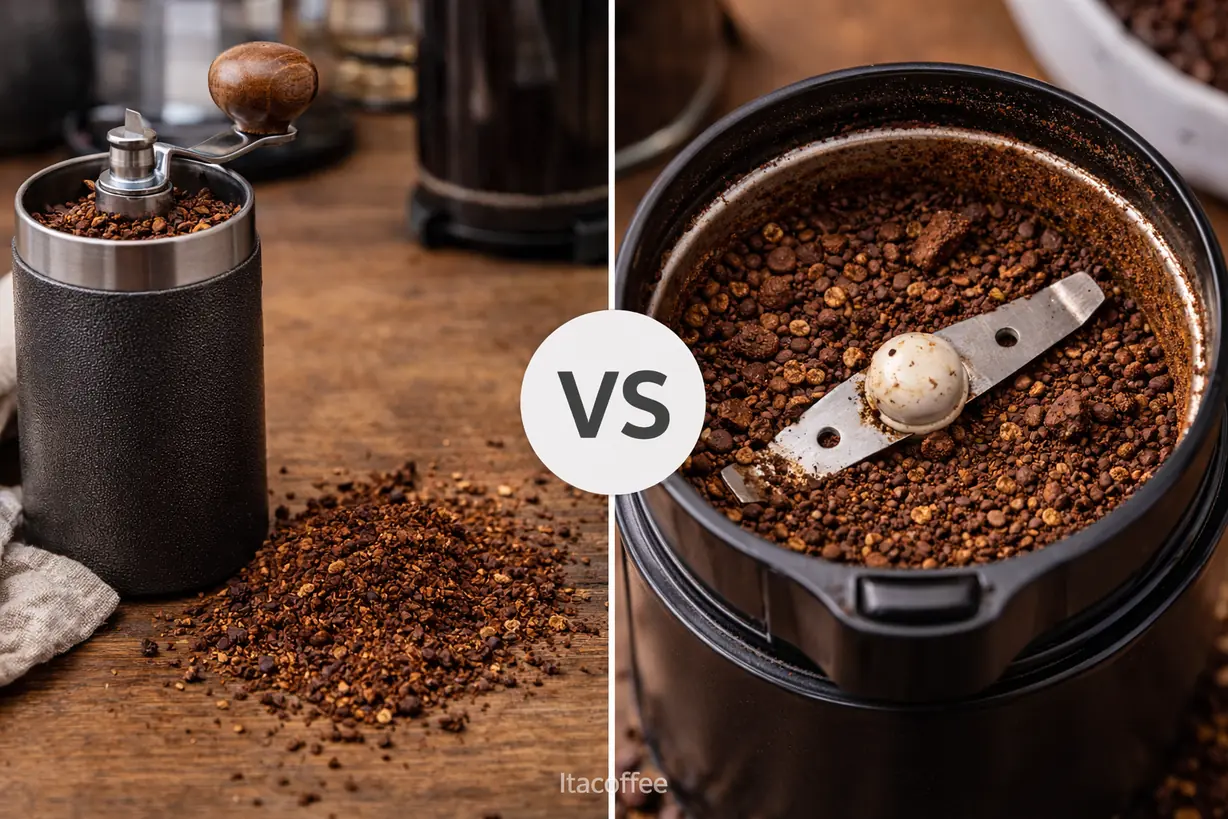
Uneven particle size—especially from blade grinders—can make this worse, which is why grind consistency matters so much. We break down the difference in Burr vs Blade Coffee Grinders.
The result can be a cup that tastes:
- Flat instead of bold
- Bitter yet hollow
- Dark but oddly weak
Darker color and heavier body can hide poor extraction, but they don’t fix it. This is why simply “adding more coffee” often disappoints. You increase resistance, not necessarily flavor.
Strength vs Extraction: The Quiet Trade-Off
Think of brewing as a balance problem.
- Strength is about how much ends up in the cup
- Extraction is about how well it got there
You can raise strength while hurting extraction.
You can improve extraction without making coffee stronger.
Good coffee sits where both are working together.
That’s why professional recipes always adjust multiple variables at once, not just dose. Different brewing styles respond differently to these adjustments, which we explore in How Brewing Methods Affect Coffee Flavor.
Better Ways to Make Coffee Taste Stronger
If your coffee tastes weak, adding more coffee is only one lever—and often the bluntest one.
Other adjustments usually work better, especially when coffee tastes weak despite using enough grounds:
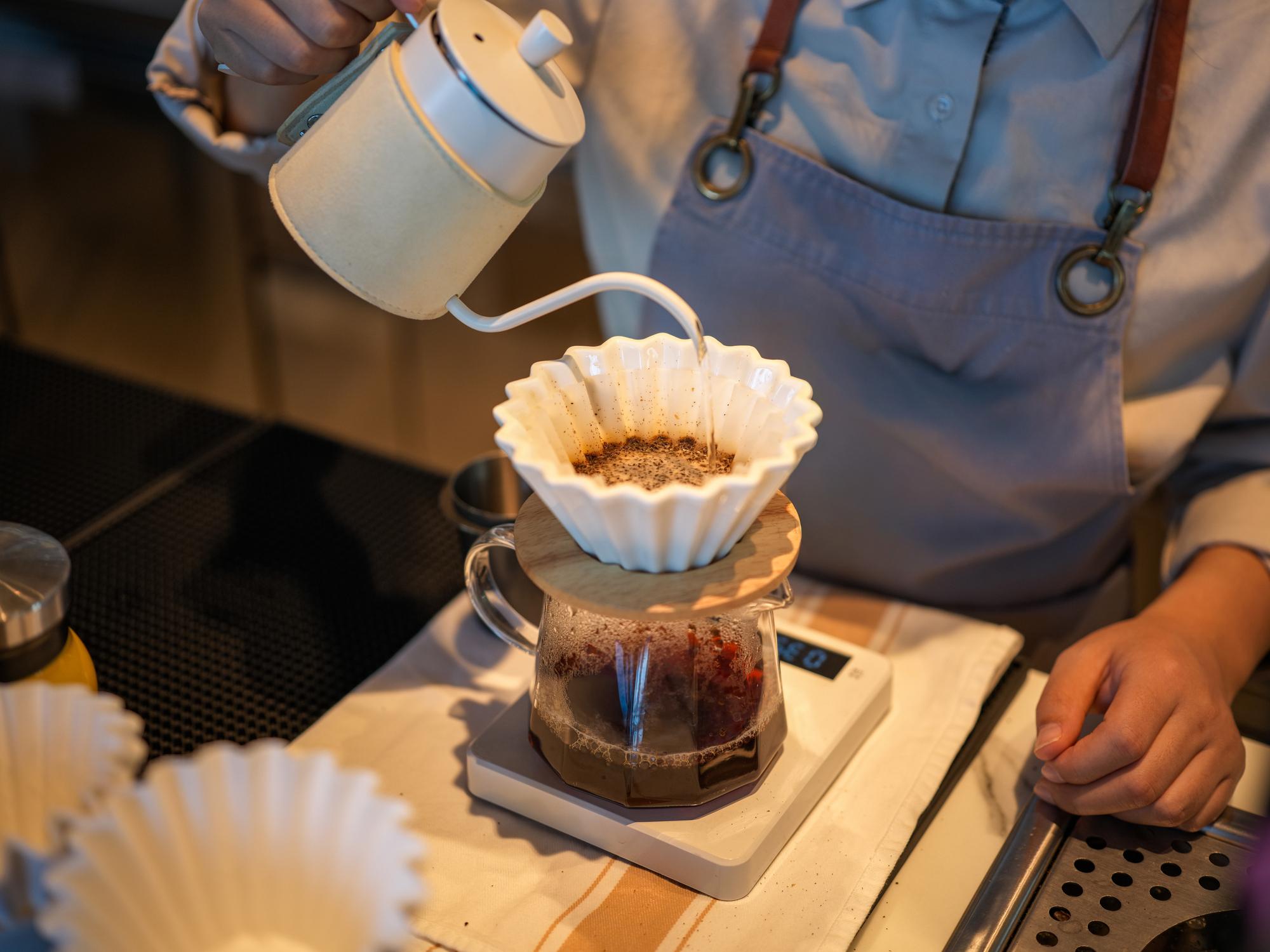
- Grinding slightly finer to increase extraction
- Extending brew time to allow fuller flavor development
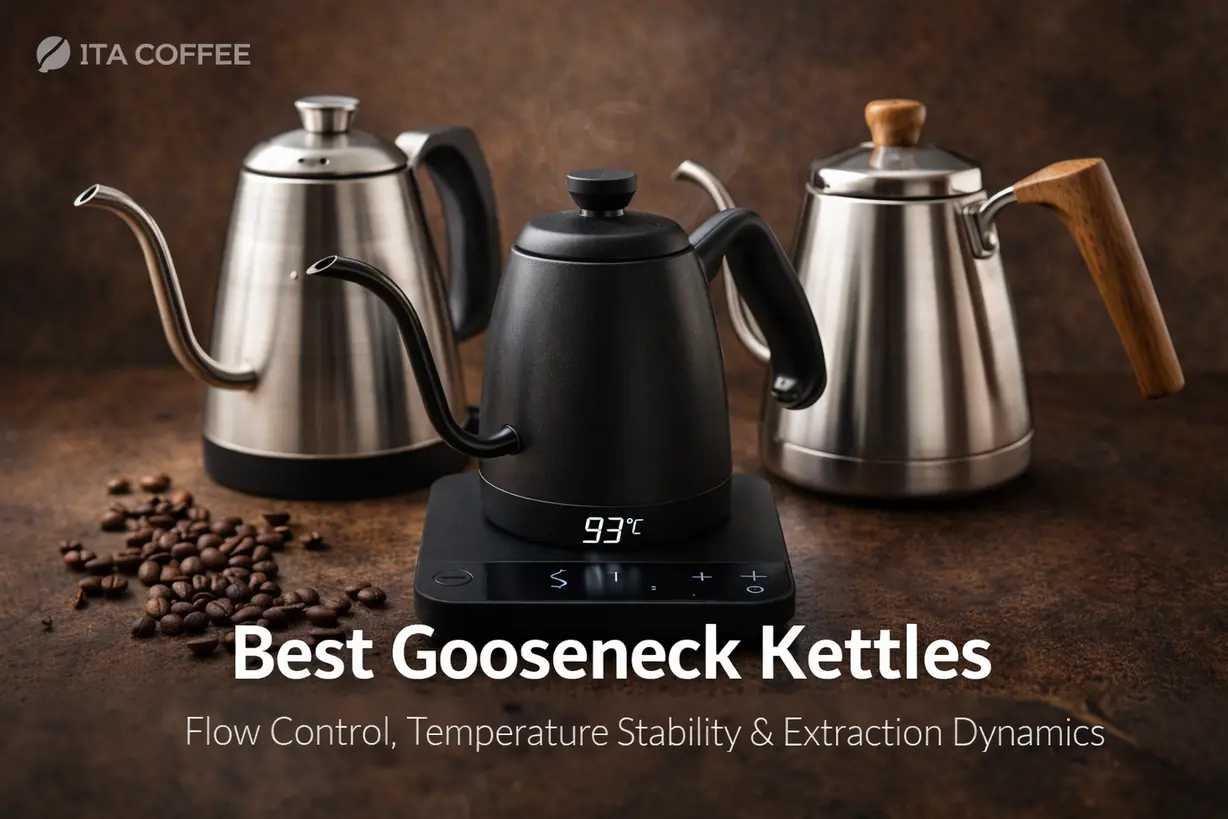
- Improving water temperature stability
- Ensuring even saturation at the start of brewing
Grinding control becomes much easier with a consistent grinder, whether manual or electric. See Manual vs Electric Coffee Grinder
for practical guidance.
Freshness also matters. If you’re using pre-ground coffee, extraction control becomes limited, which we explain in Pre-Ground vs Fresh Ground Coffee.
For a broader, step-by-step improvement framework without buying new equipment, read How to Brew Better Coffee at Home.
The Short Answer (That Deserves a Long Explanation)
So, is more coffee always stronger?
No.
More coffee can increase strength, but only when the brew is already extracting well.
Once extraction suffers, adding coffee often makes the cup worse, not better.
Strong coffee isn’t about excess.
It’s about balance.
How This Fits Into the Bigger Brewing Picture
This question connects directly to topics like:
- Coffee extraction mechanics
- Brew ratios and recipe design
- Why bitterness and weakness can exist together
Understanding these relationships saves you from chasing strength by wasting coffee.
Final Thought from ITA Coffee
This guide is meant to be a foundation, not a recipe.
At itacoffee, we don’t believe great coffee comes from chasing perfect numbers or expensive tools.
It comes from understanding cause and effect.
When coffee tastes wrong, it’s not failing—it’s talking.
Bitterness and sourness are feedback, not mistakes.
Learn to read the signals, and every brew becomes a lesson instead of a disappointment.
— itacoffee | Brewing Guides for curious, thoughtful coffee makers
Editorial note: This article was developed with AI-assisted drafting and human review
to ensure clarity, accuracy, and a non-commercial educational tone.