Is an espresso machine worth it is not a question of price or convenience—it is a question of extraction control, pressure dynamics, and repeatability.
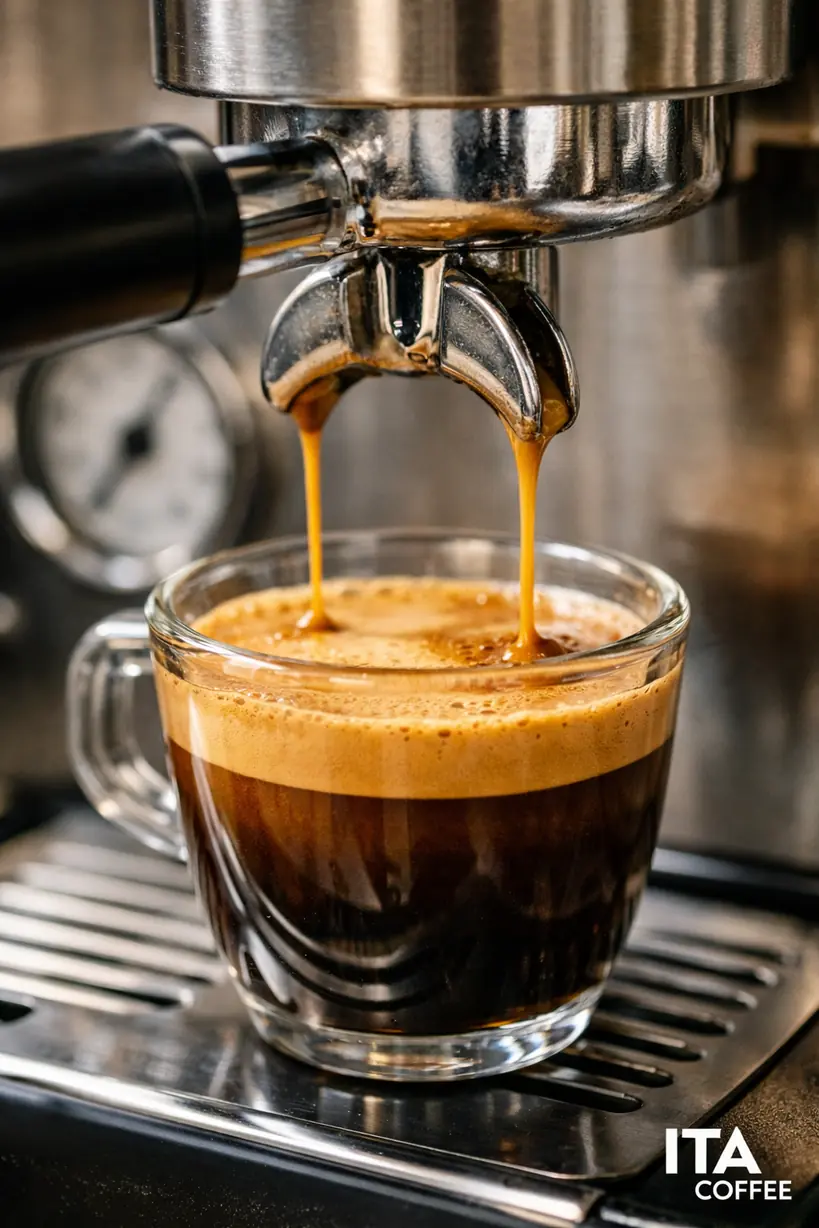
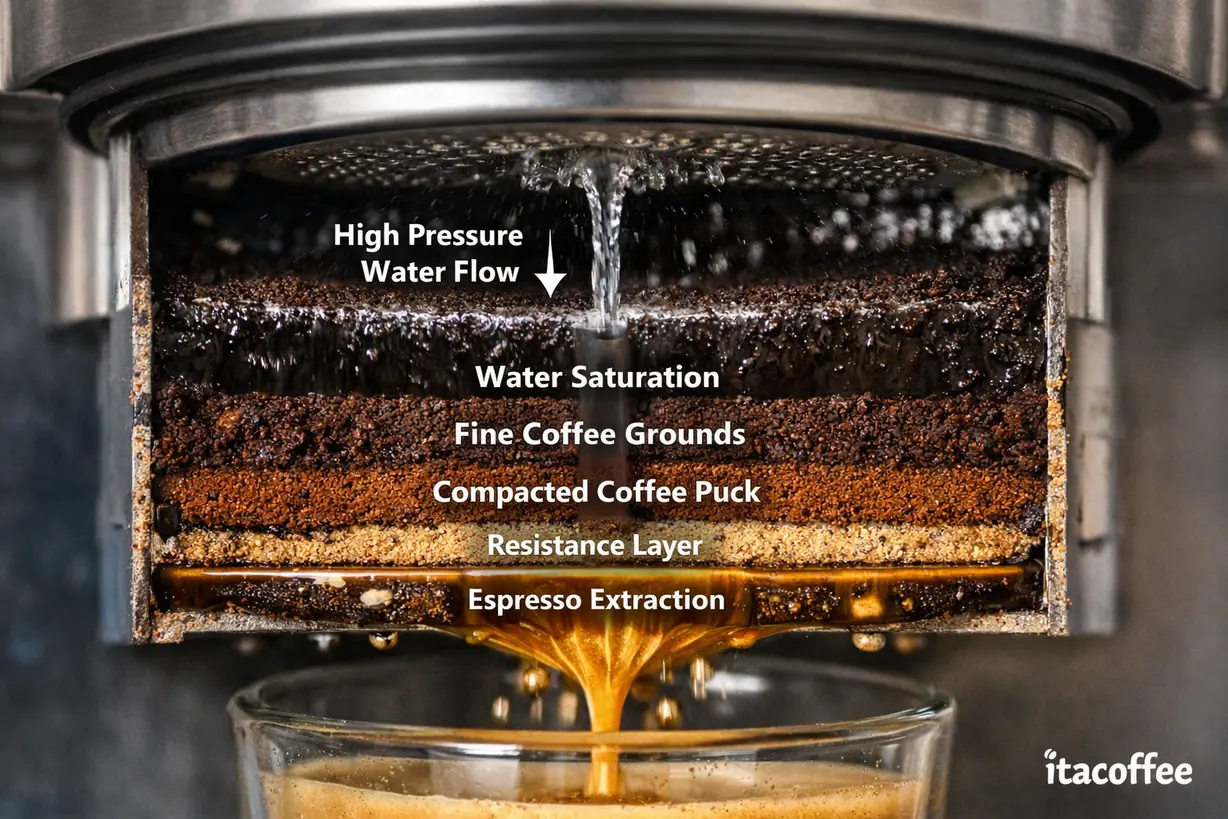
Unlike manual brewing, espresso operates as a high-pressure extraction system, where water is forced through finely ground coffee at ~9 bars of pressure. This fundamentally changes how solubles are extracted, how quickly extraction occurs, and how sensitive the system becomes to variables.
In This Guide
Is an Espresso Machine Worth It? Understanding Espresso as a System
Espresso is defined by three technical parameters:
- Pressure (≈9 bars)
- Fine grind size (high resistance)
- Short contact time (20–35 seconds)
This creates a compressed extraction environment with very narrow tolerances.
Foundation reference:
How to Make Espresso (A Clear, Fundamental Guide)
Core Principle: Why Espresso Is Technically Demanding
Espresso amplifies small errors because extraction happens rapidly and under pressure.
Key Sensitivity Factors
- Grind size distribution
- Flow rate stability
- Channeling risk
- Temperature stability
These variables interact tightly:
Coffee Extraction Explained: How Timing Shapes Flavor
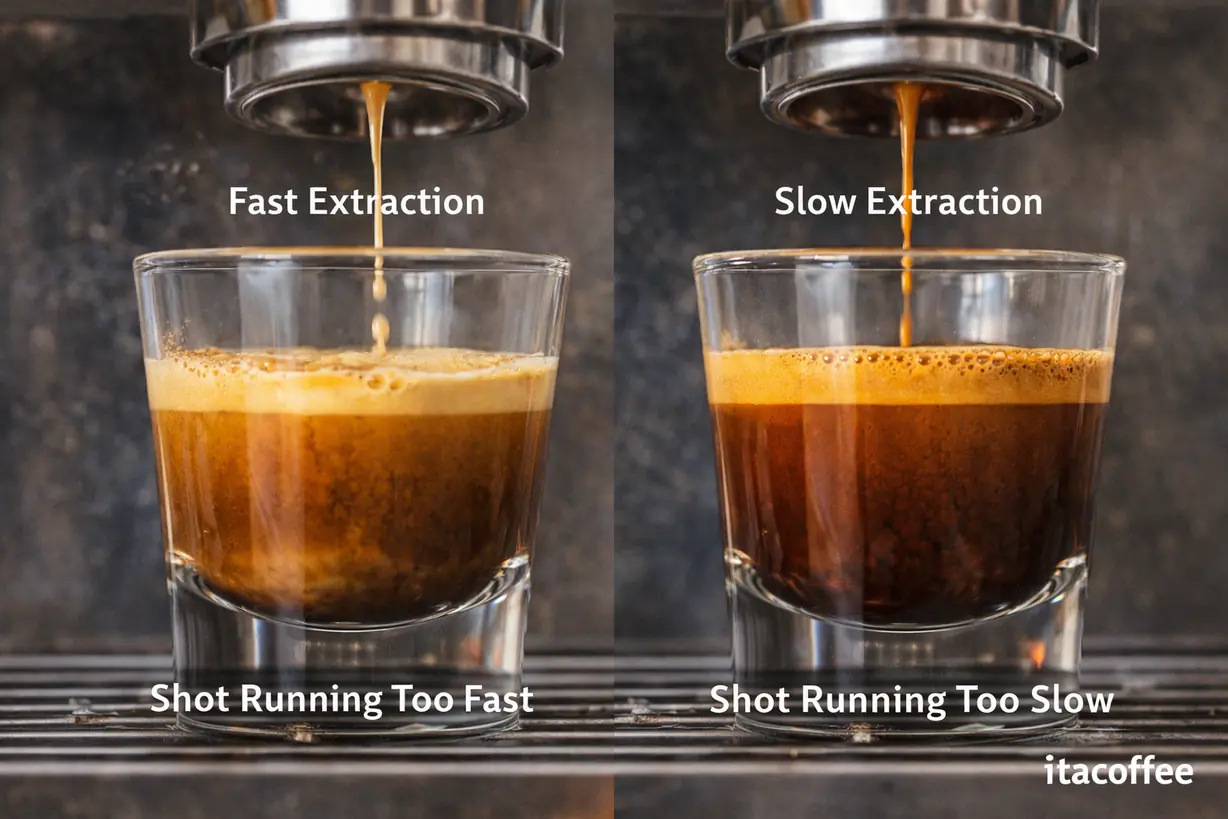
In espresso, a small grind adjustment can shift extraction from:
- Under-extraction → sour, thin
- Over-extraction → bitter, harsh
Scientific framework:
Under vs Over Extraction Explained
Cost vs Value: What You Are Actually Paying For
An espresso machine is not simply a brewing device—it is a pressure control system combined with thermal stability engineering.
Cost Components
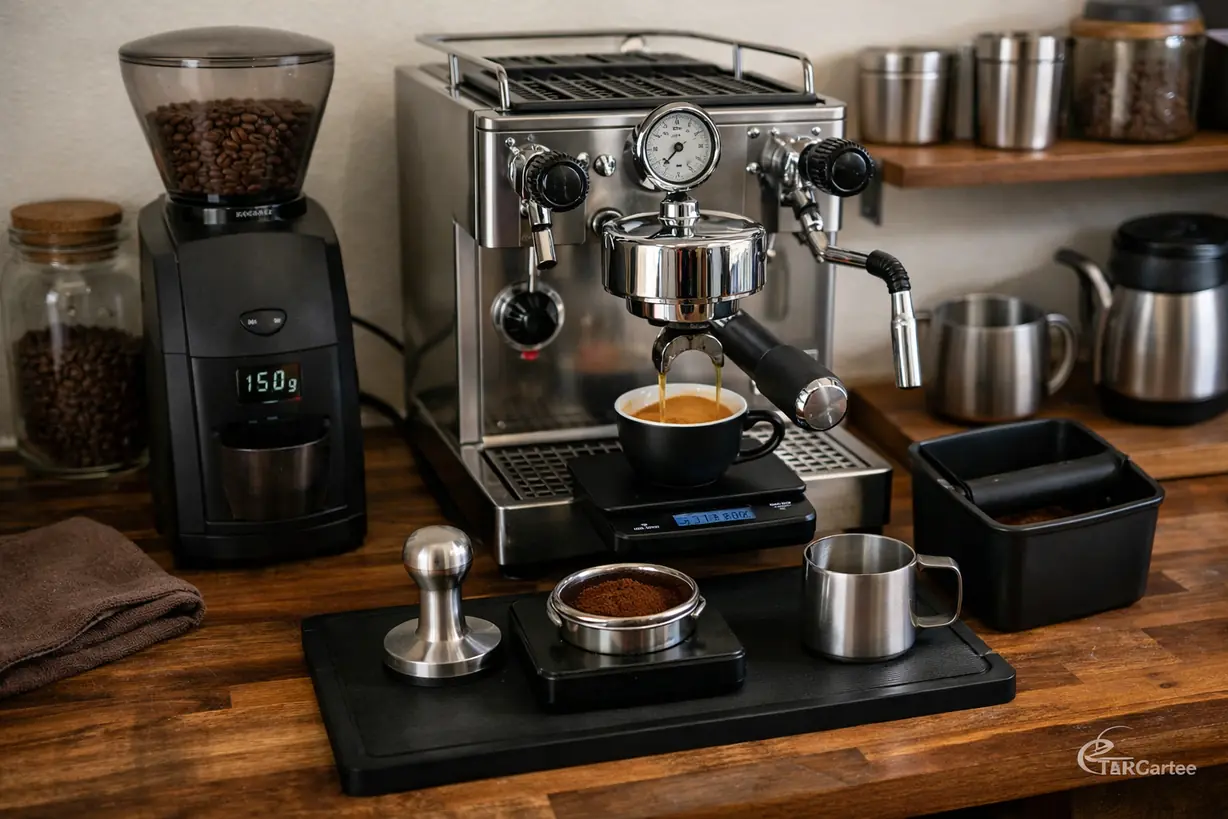
- Machine (pressure + temperature control)
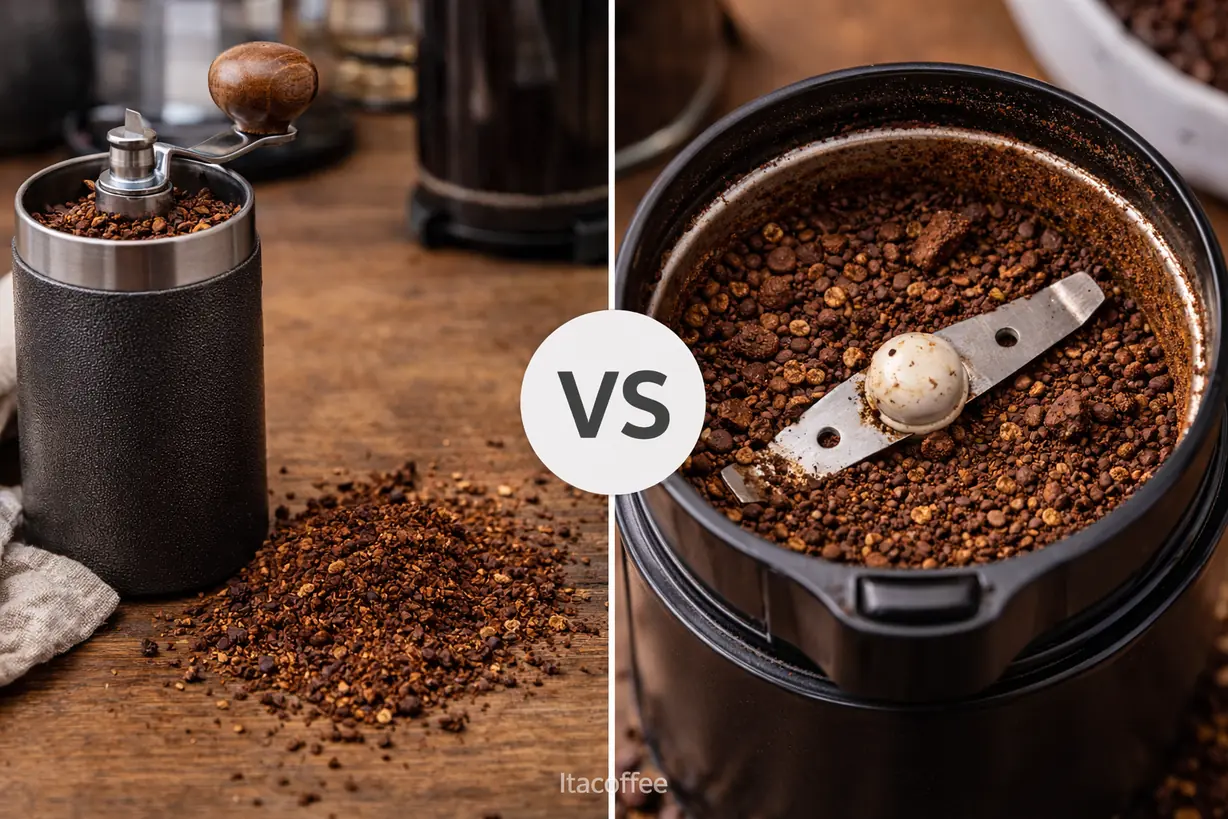
- Grinder (critical for resistance control)
- Accessories (tamper, scale, distribution tools)
Grinder importance:
Do You Need a Burr Grinder for Espresso?
Without a consistent grinder, espresso becomes unstable regardless of machine quality.
Is an Espresso Machine Worth It? The Advantage of Control
Espresso machines offer high repeatability once variables are stabilized.
Control Advantages
- Precise brew ratio control
- Consistent pressure application
- Thermal stability across shots
- Ability to reproduce café-style drinks
Drink applications:
These drinks depend on espresso as a base extraction, which cannot be replicated with standard manual brewers.

The Limitation: Espresso Is Not Beginner-Friendly
The primary limitation of espresso machines is narrow tolerance and high dependency on technique.
Common Failure Points
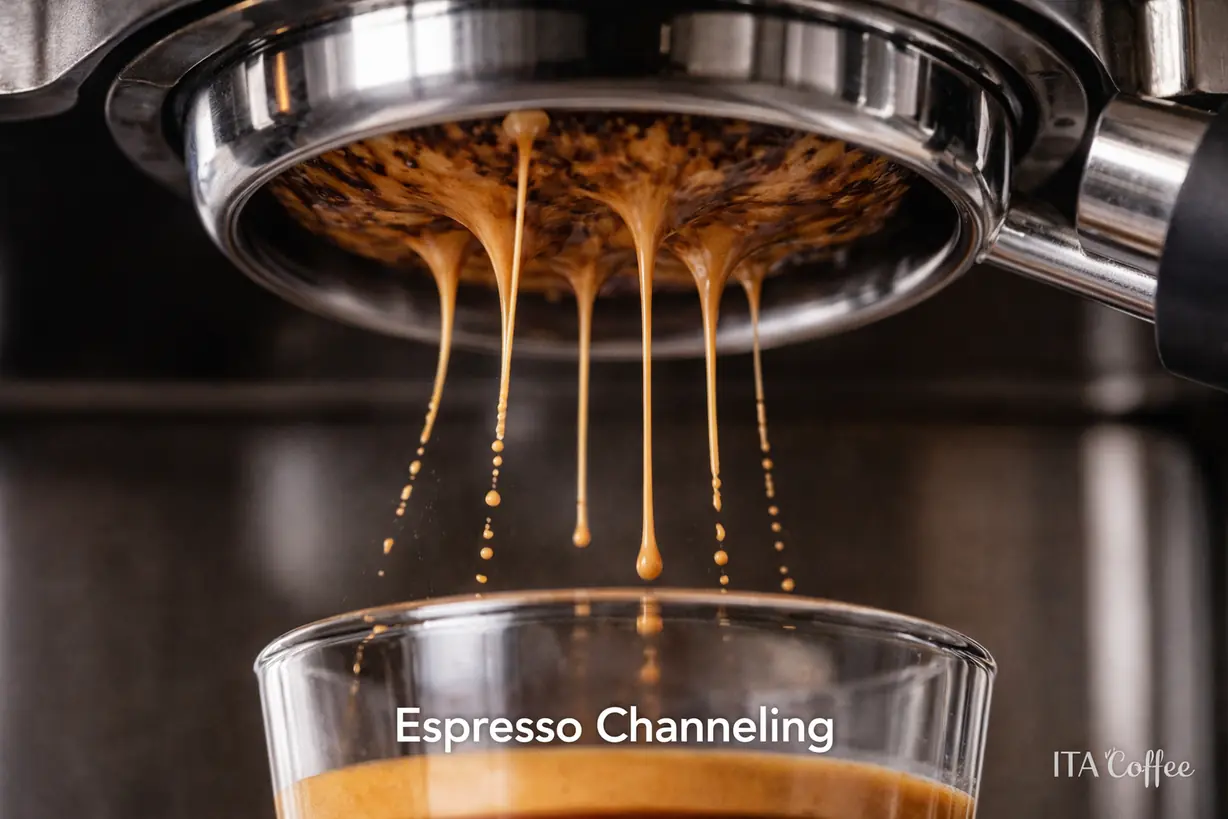
- Channeling (uneven water flow)
- Incorrect grind size
- Inconsistent tamping
- Unstable shot timing
Channeling explanation:
Example problems:
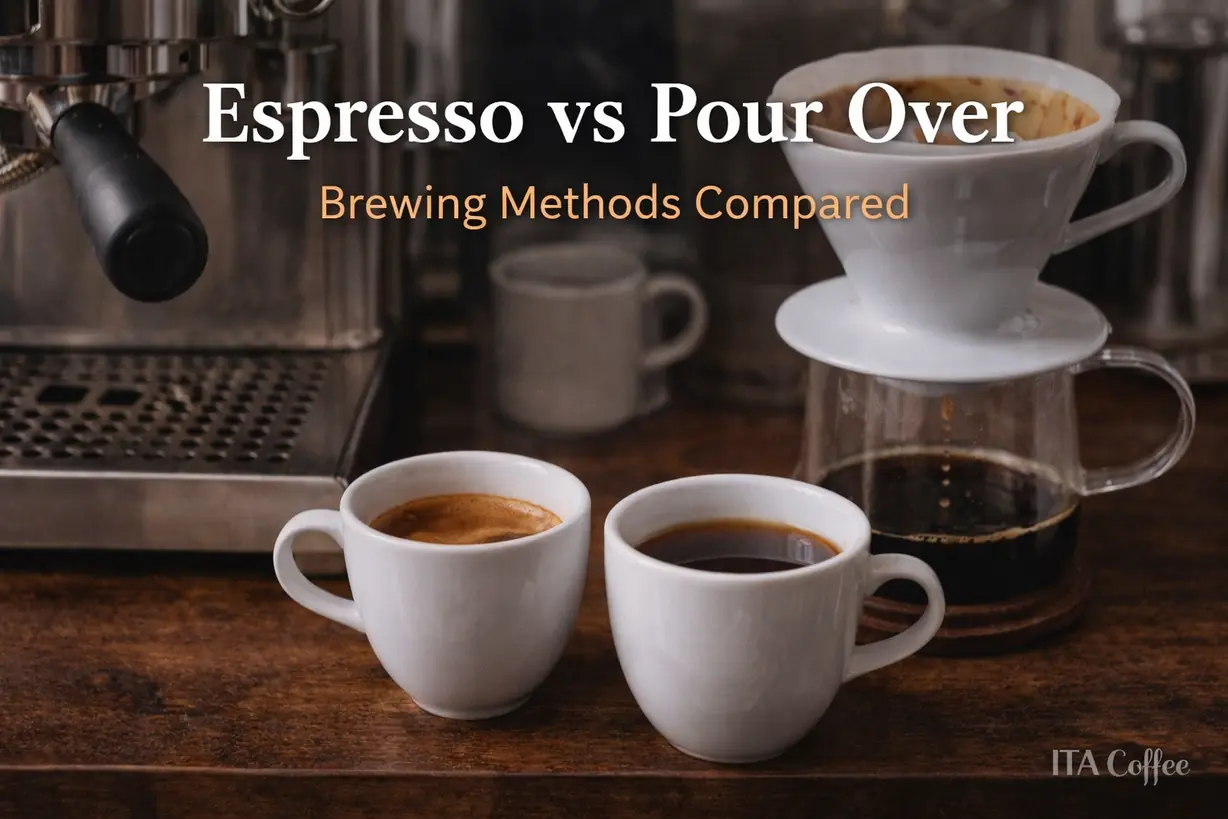
Comparison: Espresso Machine vs Manual Brewing
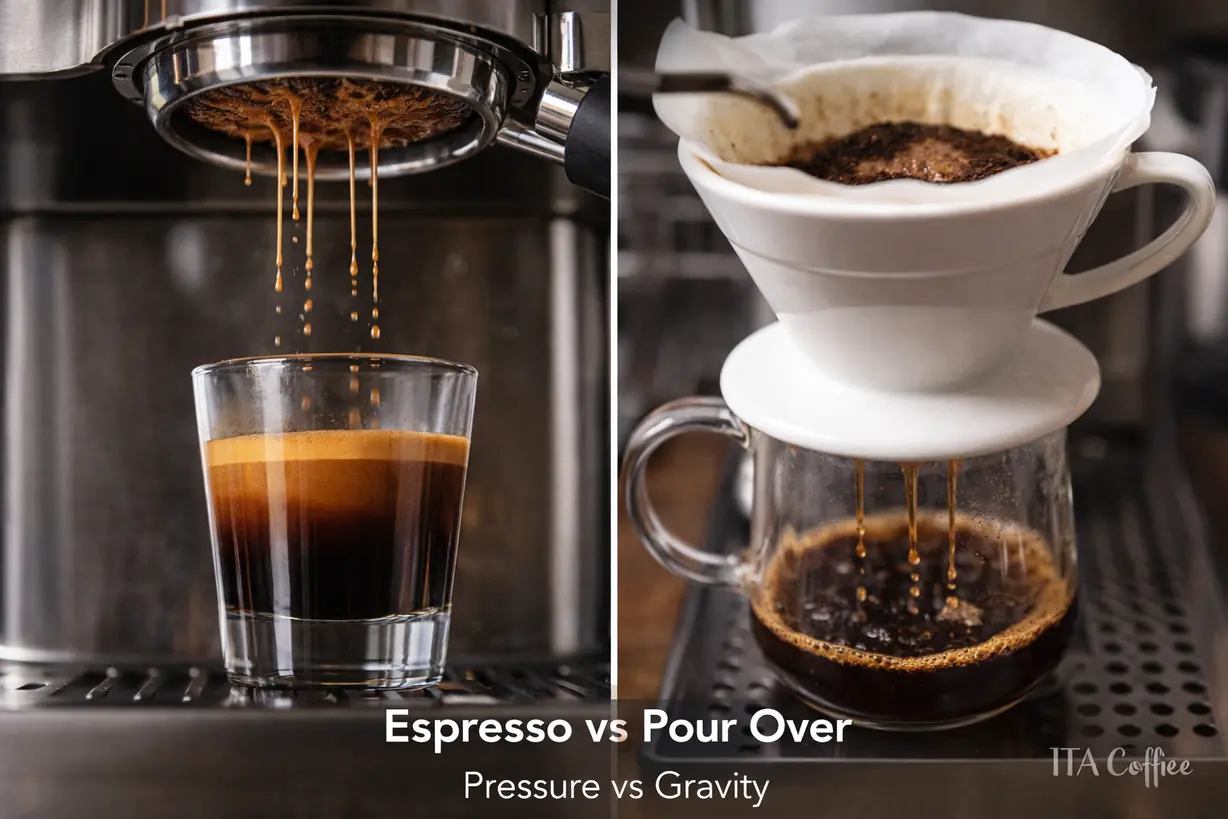
The decision becomes clearer when comparing system behavior:
- Espresso → high pressure, low margin for error, high repeatability
- Manual brewing → low pressure, high flexibility, lower consistency
Reference framework:
Manual Coffee Brewers Pros and Cons
Manual methods allow easier control of variables like pour rate and agitation, but lack pressure-driven extraction.
When an Espresso Machine Is Worth It (Decision Framework)
It Is Worth It If:
- You want espresso-based drinks regularly
- You are willing to learn grind and extraction calibration
- You value repeatability over flexibility
It Is NOT Worth It If:
- You prefer simple workflows
- You do not want to manage multiple variables
- You expect equipment alone to improve coffee quality
Important principle:
Why Expensive Coffee Gear Doesn’t Fix Bad Coffee
Industry reference on espresso standards:
Specialty Coffee Association Research
Conclusion: Espresso Machines Increase Control—Not Simplicity
Is an espresso machine worth it depends on whether you want to control extraction at a high level of precision, not whether you want “better coffee” automatically.
Espresso machines:
- Do not simplify brewing
- Do not eliminate variables
- They compress and intensify variables
The value lies in repeatable control under pressure, not convenience.
Itacoffee Practice Recommendation
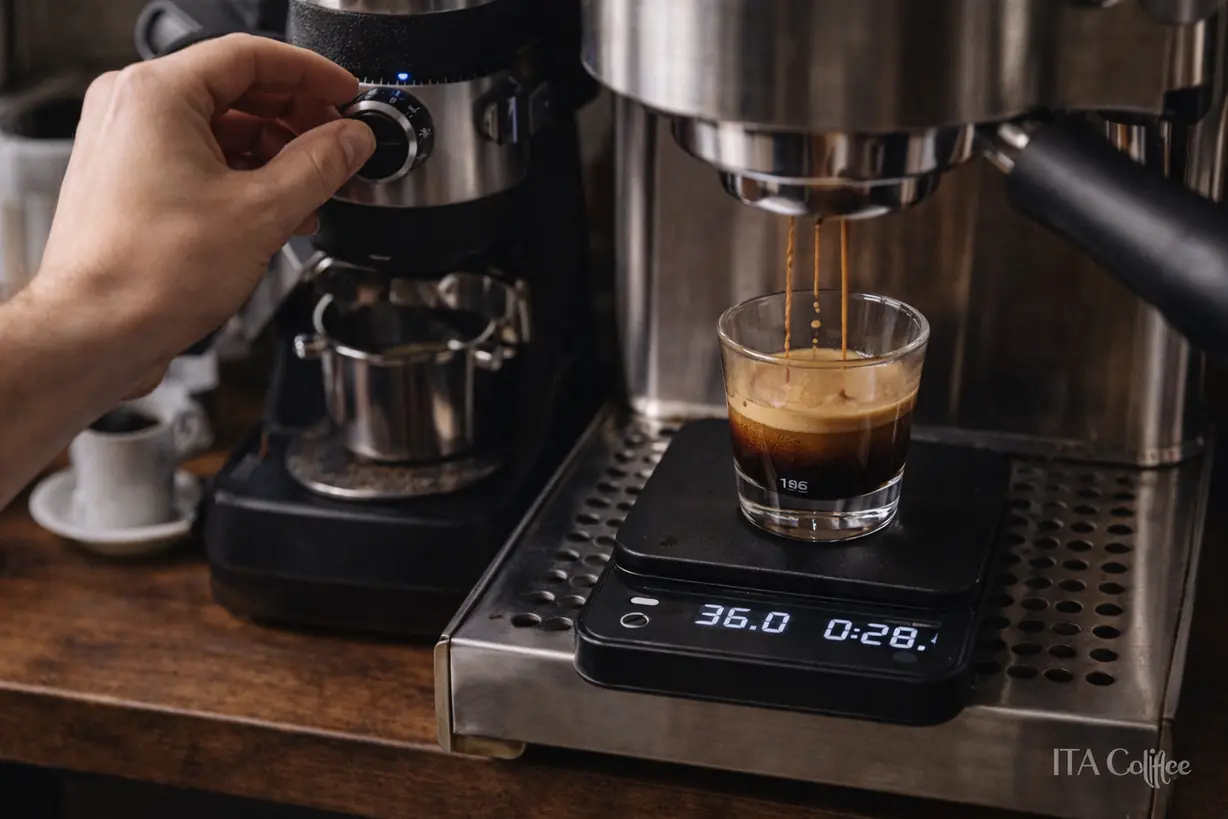
To evaluate whether espresso is worth it for your workflow:
- Start by mastering extraction fundamentals
- Control grind size and ratio precisely
- Observe how small changes affect flavor
Next step:
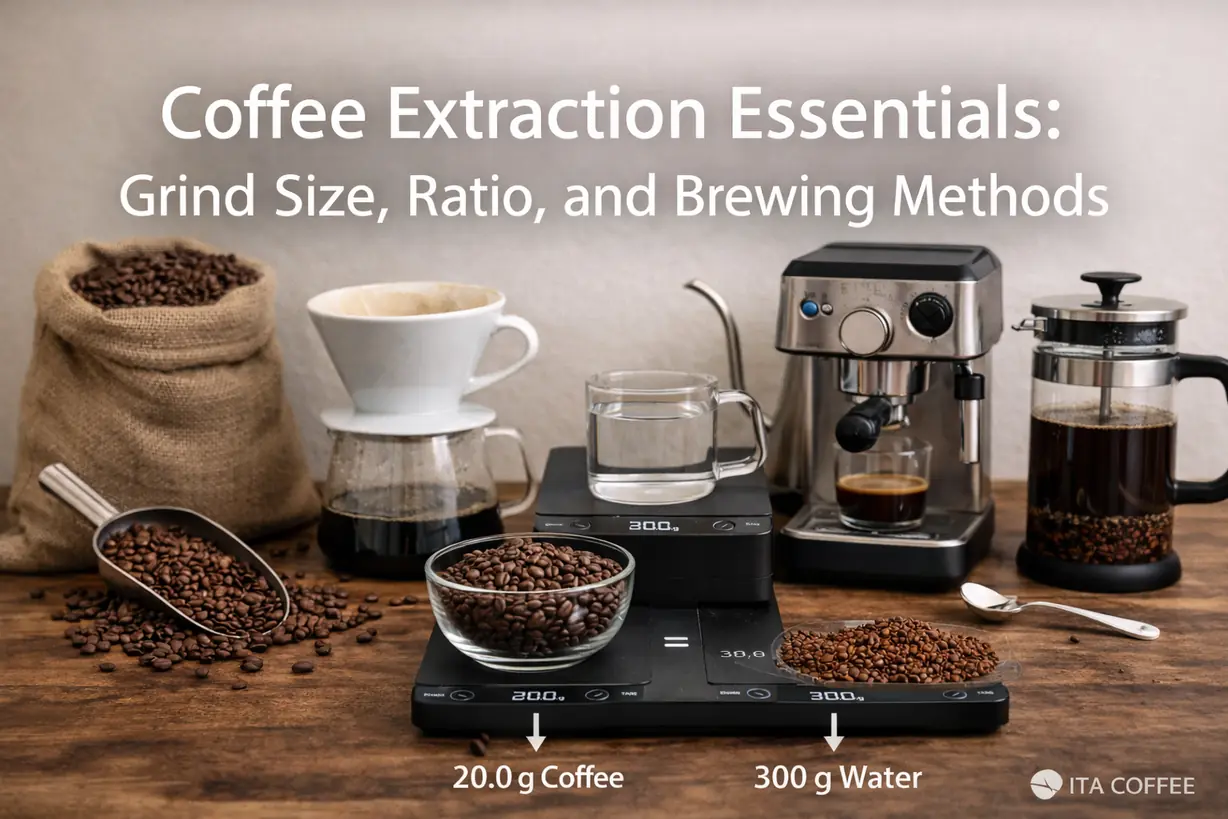
Coffee Brewing Basics: Grind Size, Ratio, and Time
Practice deliberately: change one variable at a time, and measure the effect on flow rate and taste.