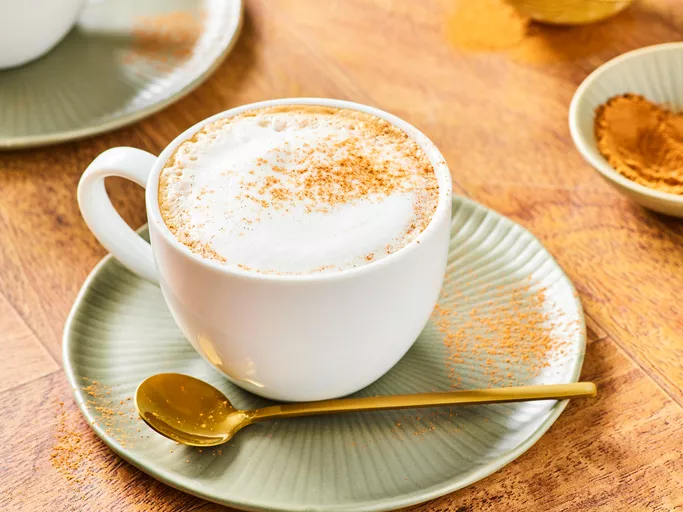
A teacher-style explanation of cappuccino—focused on structure, balance, and technique, not trends or sales.
A cappuccino looks simple, yet it’s one of the easiest drinks to get wrong.
Common complaints include too much foam, milk that tastes flat, or a drink that ends up indistinguishable from a latte.
This guide breaks cappuccino down into clear principles so you can understand why each step matters—and adjust with confidence.
In This Guide
What Is a Cappuccino?
A cappuccino is a classic espresso-and-milk drink defined by balance. Like all espresso-based drinks, it depends heavily on extraction behavior.
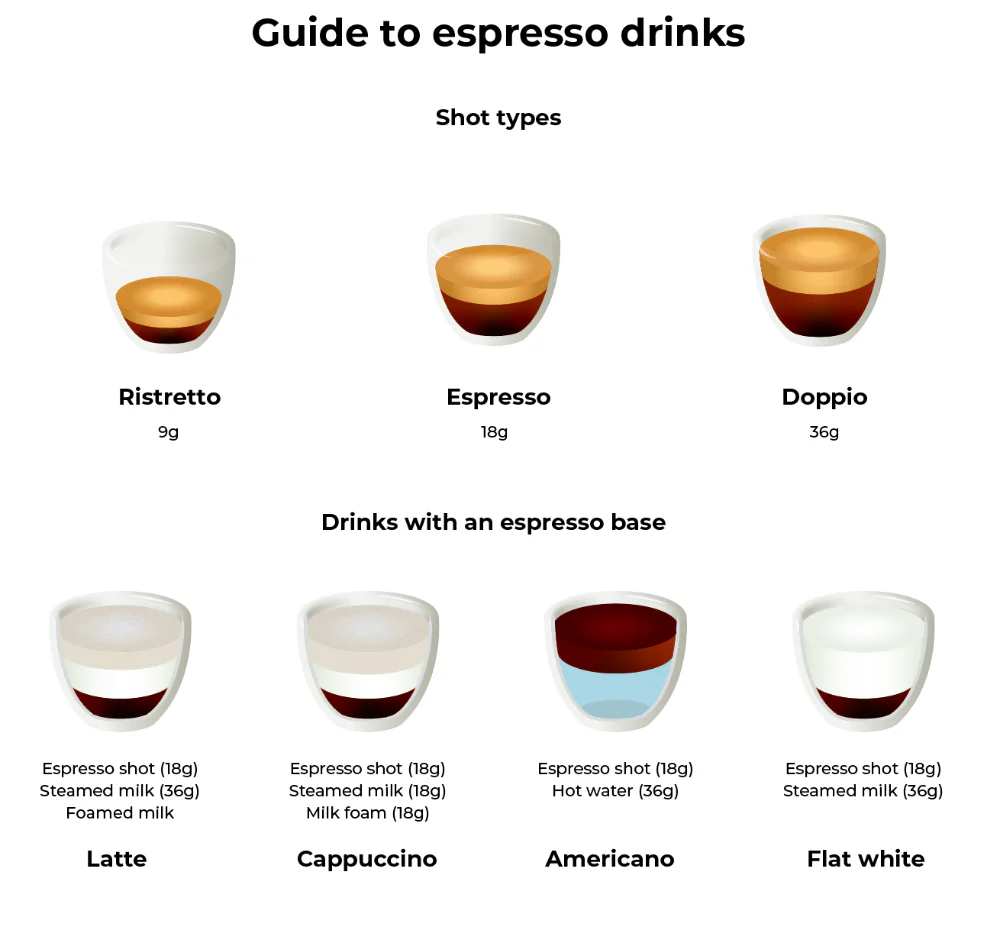
Traditional structure:
- 1 part espresso
- 1 part steamed milk
- 1 part milk foam
Served in a 150–180 ml cup, a cappuccino should taste:
- Coffee-forward
- Creamy, but not heavy
- Light in body, not watery
If a latte is smooth and milk-led, a cappuccino is structured and layered.
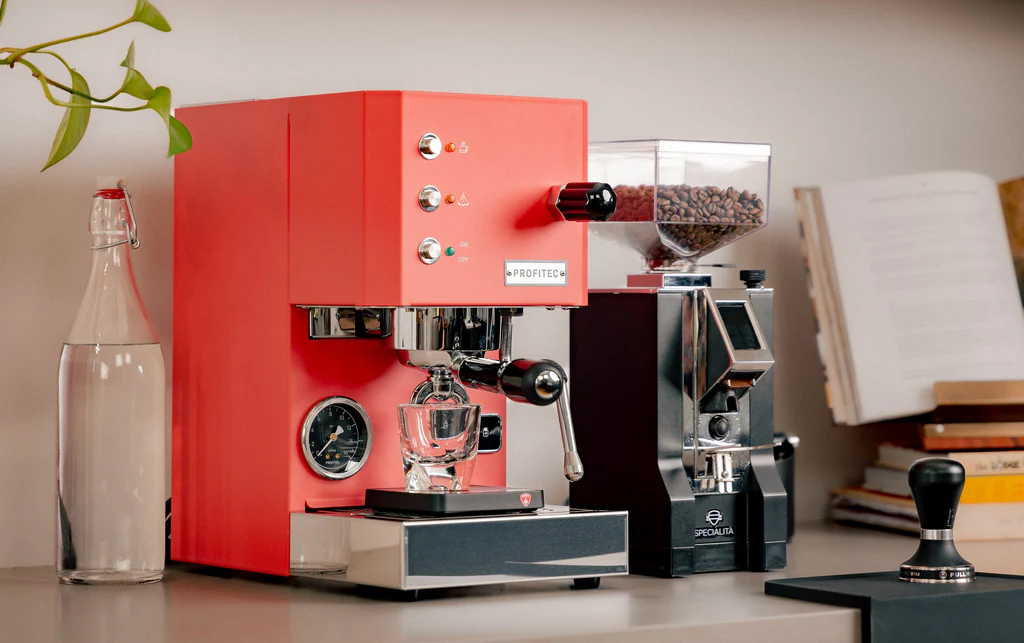
Equipment Basics (Focus on Capability)
You don’t need many tools—but each must do its job consistently.
Essential Tools
- Espresso-capable machine
- Coffee grinder (preferably a burr grinder)
- Milk frothing pitcher
- Scale (recommended)
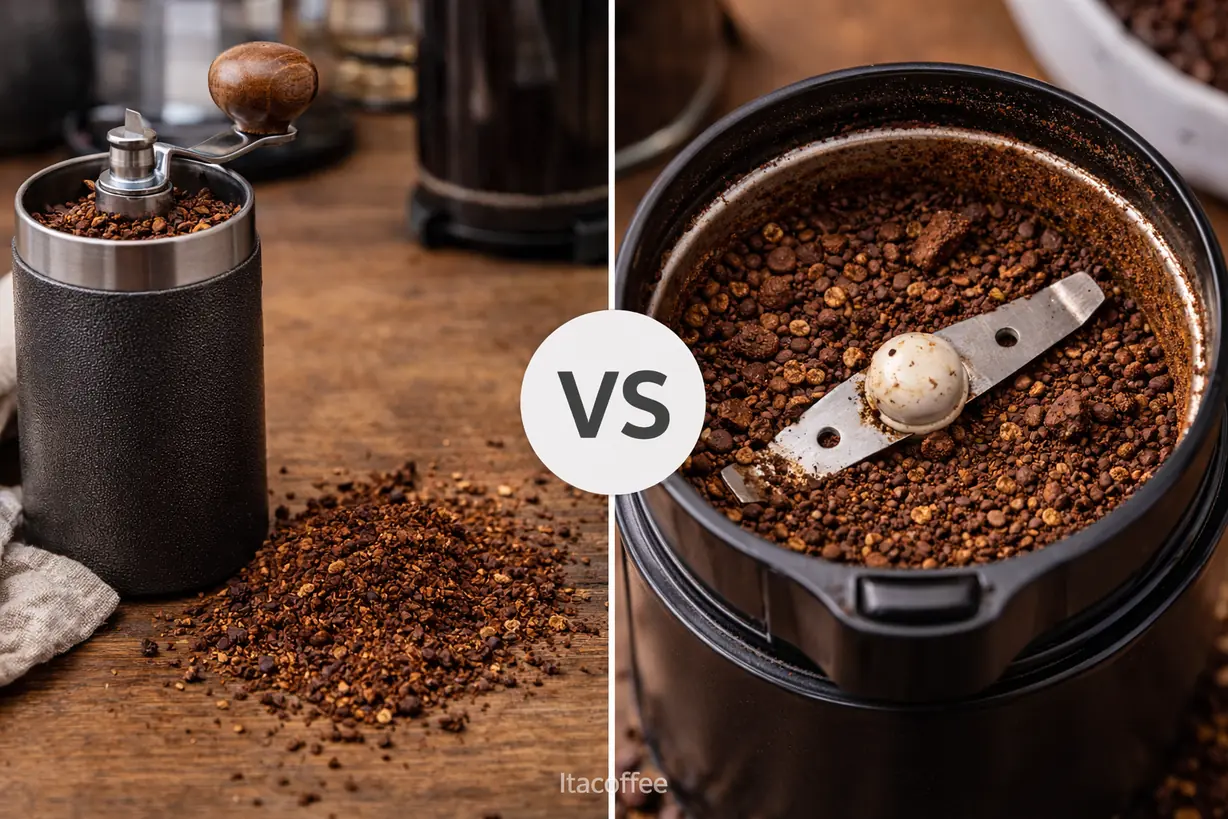
Grind consistency matters more than many people expect—especially when comparing manual vs electric grinders.
👉 Principle: Cappuccino exposes imbalance. Weak espresso or poor milk texture shows immediately.

Core Parameters (Where Cappuccino Is Won or Lost)
Espresso
- Dose: 18–20 g
- Yield: 36–40 g
- Time: 25–30 seconds
Balanced espresso is critical—cappuccino does not hide mistakes. Understanding how grind size, ratio, and time interact makes consistency far easier.
Milk
- Milk type: Whole milk preferred
- Temperature: 60–65°C (140–150°F)
- Texture: Steamed milk + distinct foam
Unlike latte milk, cappuccino milk has more foam structure and less liquid volume.
Roast level also changes how espresso interacts with milk. If you’re unsure how roast affects balance, see Dark Roast vs Light Roast.
Step-by-Step: How to Make a Cappuccino
Step 1: Brew the Espresso
- Grind coffee fine
- Dose 18–20 g
- Extract 36–40 g in 25–30 seconds
- Brew directly into a preheated cup
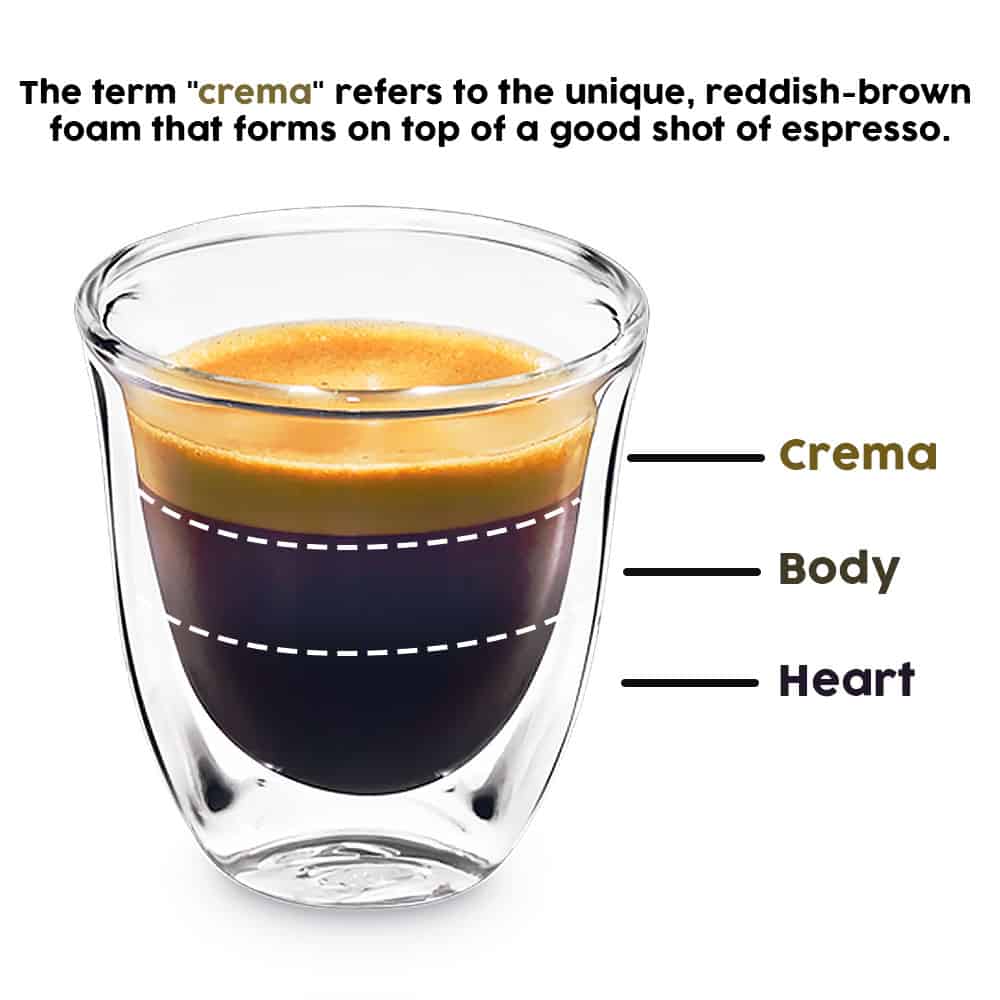
A cappuccino starts with espresso that tastes good on its own.
If your cappuccino tastes bitter or sour, it’s almost always coming from the espresso itself. Our guide on why coffee tastes bitter or sour explains how extraction turns flavor into a diagnostic signal—especially in milk drinks that expose imbalance.
Milk doesn’t fix extraction—it only softens it. If strength and balance feel confusing, read Is More Coffee Always Stronger?.
Step 2: Steam the Milk (Key Difference vs Latte)
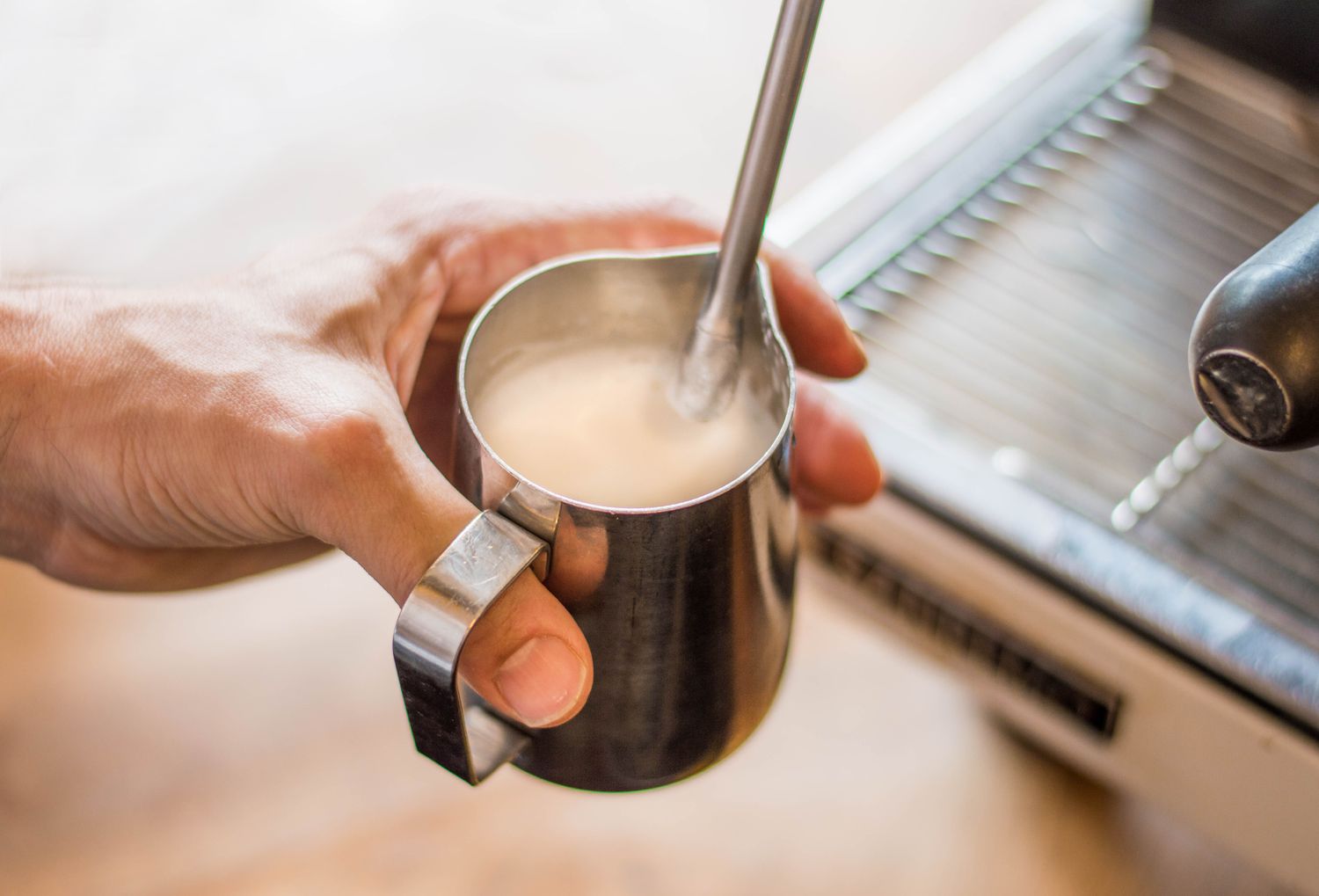
- Start with cold milk
- Introduce air slightly longer than for latte
- Create thicker foam, but still fine-textured
- Stop heating at 60–65°C
You want defined foam, not stiff bubbles.
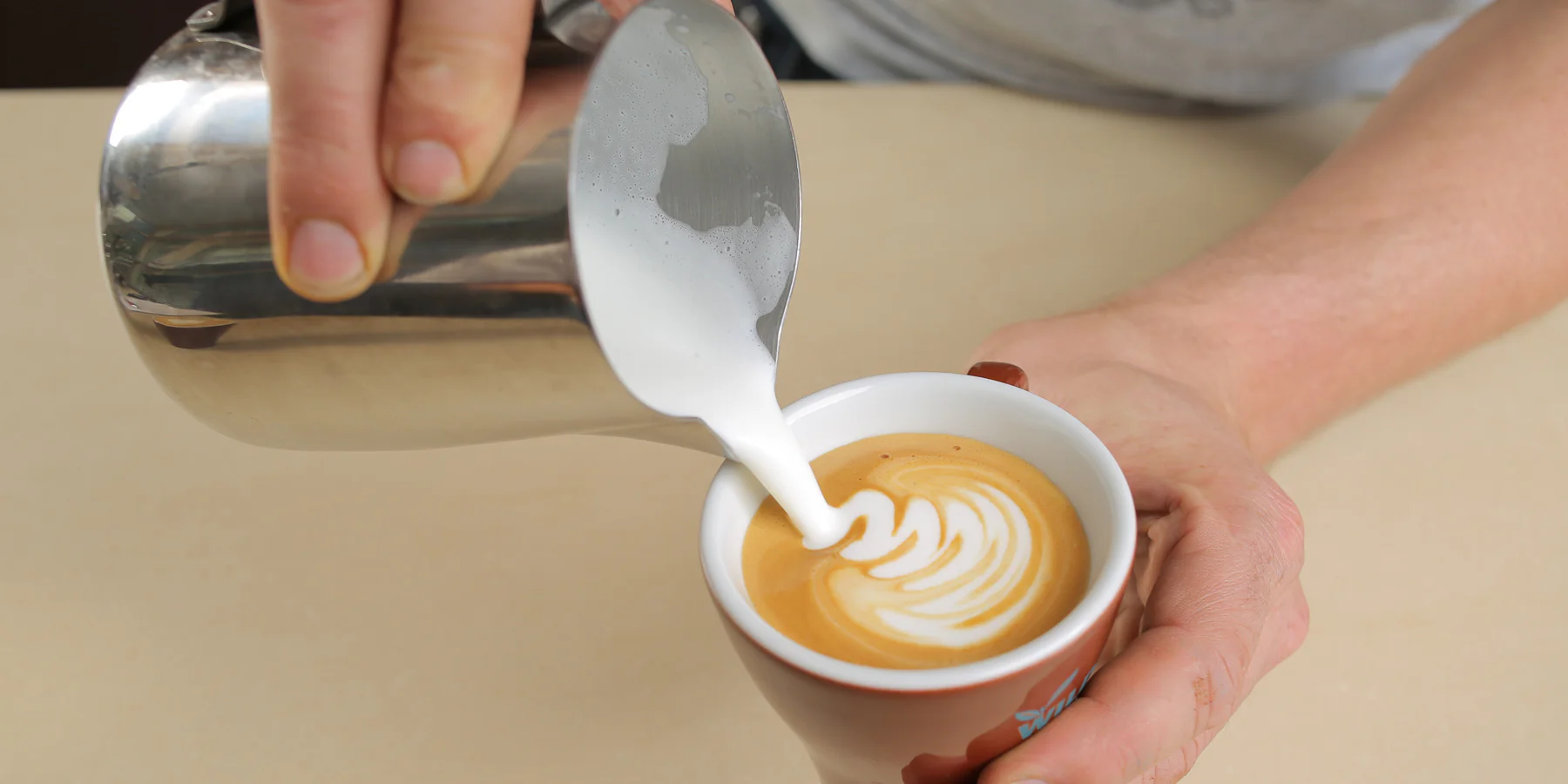
Step 3: Build the Drink
- Pour steamed milk first
- Finish with a clear foam layer
- The surface should look soft and cloud-like
Latte art is optional. Foam balance is not.
Common Cappuccino Mistakes (And Fixes)
| Problem | Likely Cause | Fix |
|---|---|---|
| Too dry | Excess foam | Reduce air intake |
| Too milky | Too much liquid milk | Increase foam ratio |
| Bitter | Over-extracted espresso | Shorten extraction |
| Flat taste | Milk too hot | Stop steaming earlier |
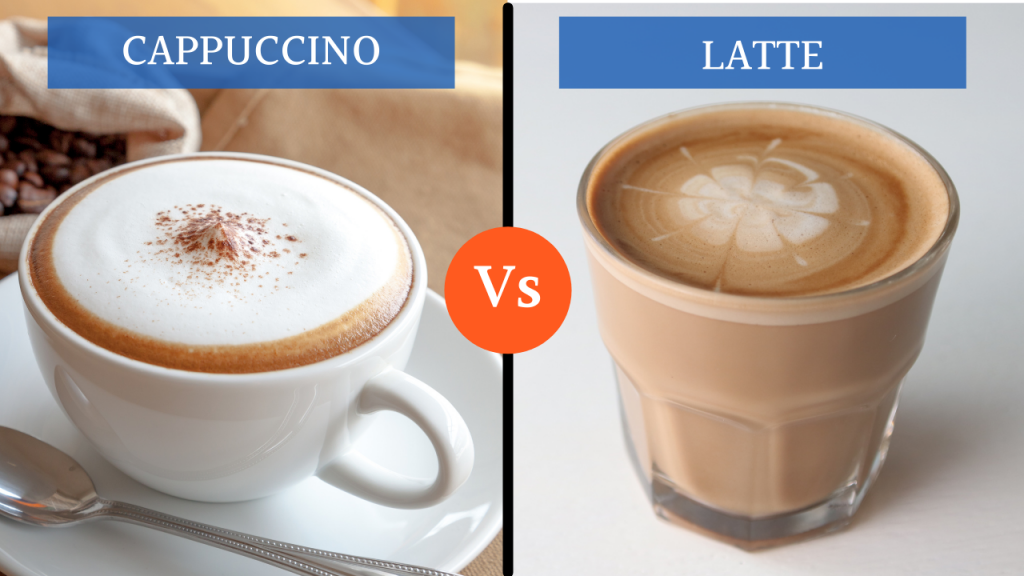
Cappuccino vs Similar Drinks
| Drink | Milk Texture | Overall Feel |
|---|---|---|
| Latte | Thin foam | Smooth, milk-forward |
| Cappuccino | Thick foam | Balanced, structured |
| Flat White | Minimal foam | Coffee-forward |
Understanding these differences helps you brew intentionally. Different brewing methods change flavor structure long before milk is added—see How Brewing Methods Affect Coffee Flavor.

Want More Consistent Cappuccinos?
Cappuccino consistency depends on:
- Espresso stability
- Milk control
- Repeatable ratios
Consistency improves more from understanding extraction than from upgrading equipment. If you’re tempted to fix problems by buying new tools, read Why Expensive Coffee Gear Doesn’t Fix Bad Coffee.
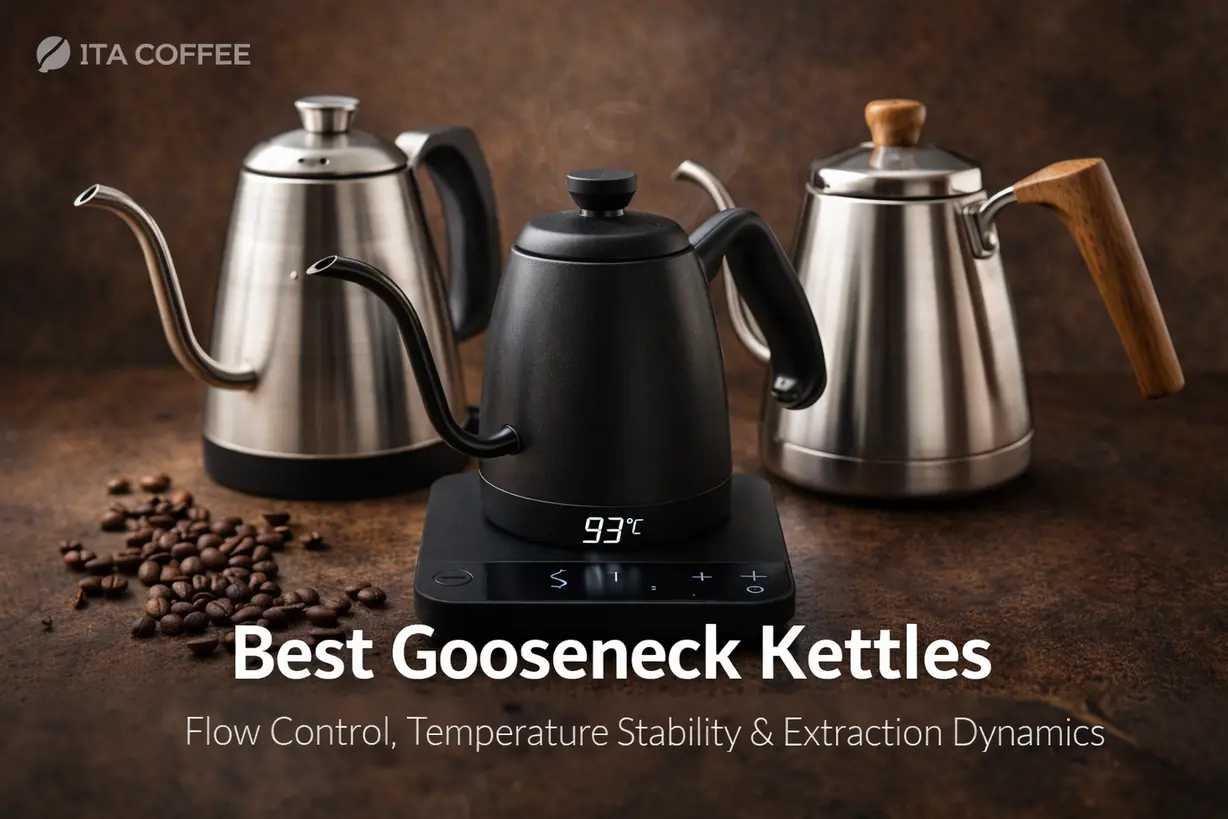
If you’re comparing espresso machines, grinders, or milk-frothing tools, our Coffee Tools & Reviews section explains how different types of equipment affect cappuccino results—without brand hype.
Final Thoughts from itacoffee
A cappuccino is not about volume or decoration.
It’s about balance and contrast—espresso strength, milk sweetness, and foam structure working together.
At itacoffee, we focus on understanding coffee before upgrading tools. Master the structure, and even simple equipment can produce a great cup.
— itacoffee | Brewing Guides for thoughtful coffee makers
This article was written and optimized with the assistance of AI, then reviewed and refined to keep an educational, non-commercial tone.
Recommended Next Guides
- Prefer smoother, milk-forward texture? → Latte Guide
- Want less foam and more espresso? → Flat White Guide
- Curious about minimal milk drinks? → Macchiato Guide



Leave a Reply