
The macchiato is one of the most confusing coffee drinks on menus.
Some versions arrive as a large milk drink, others as a tiny espresso with foam.
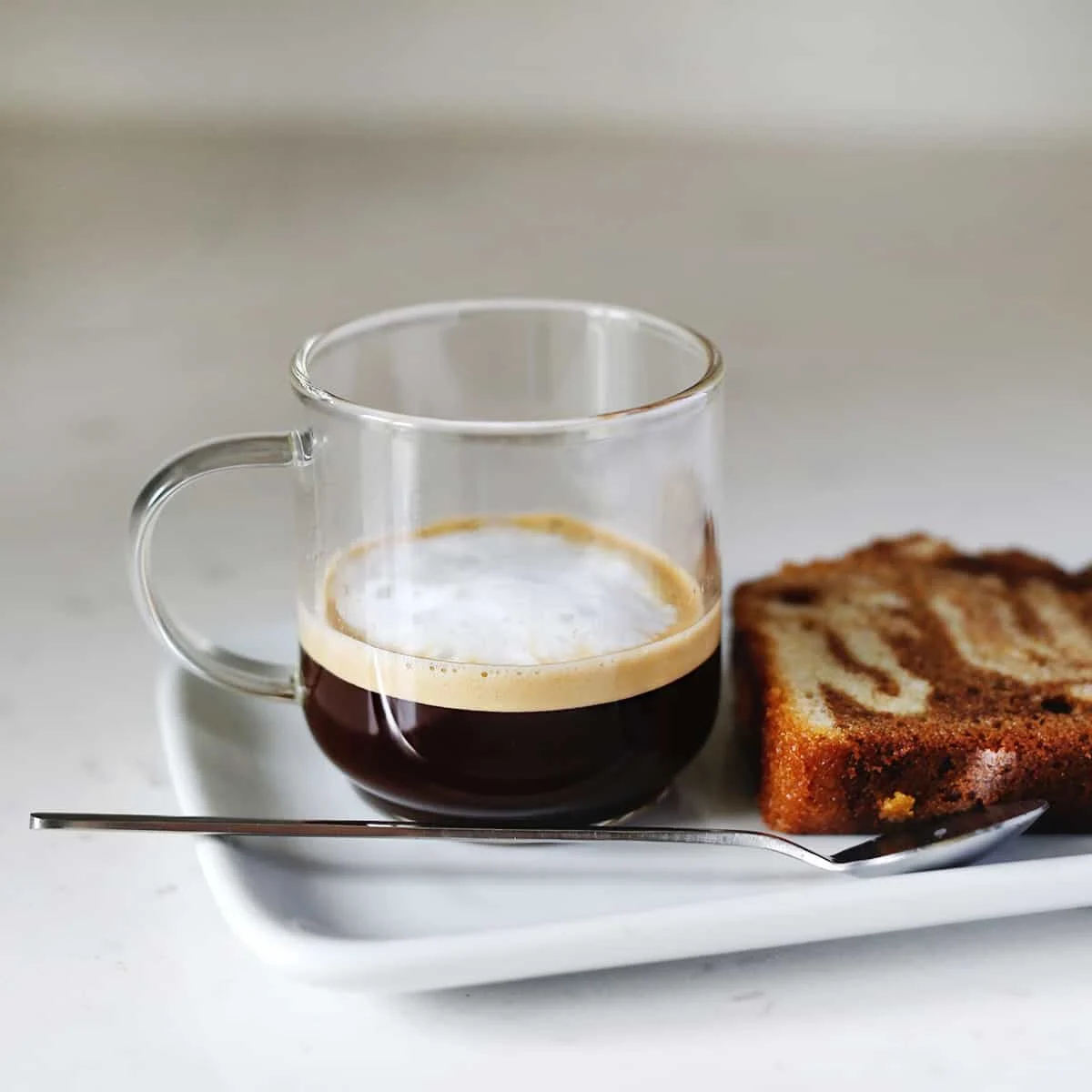
In traditional coffee culture, a macchiato is small, strong, and intentional.
This guide focuses on the classic espresso macchiato, explaining what it is, how to make it, and why the details matter.
In This Guide
What Is a Macchiato?
Macchiato means “stained” or “marked” in Italian.
A traditional espresso macchiato is:
- 1 shot of espresso
- A small amount of milk foam (not steamed milk)
The milk does not dilute the espresso.
It simply softens the edge.
Espresso first. Milk second. Always.
Equipment Basics (Only What Matters)
You don’t need special tools—just control.
Essential Tools
- Espresso machine or espresso-capable brewer
- Coffee grinder
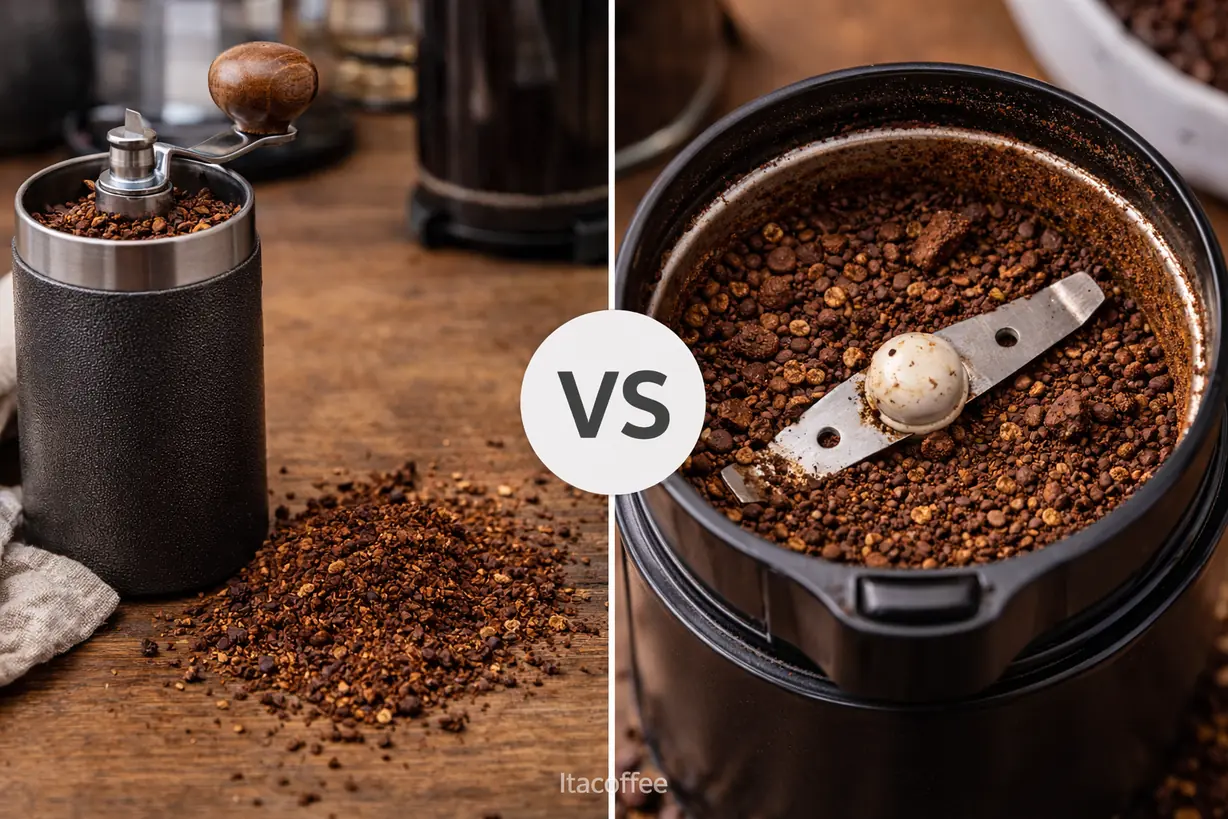
A consistent burr grinder matters more than power. See the difference in our guide to burr vs blade grinders.
Not sure whether to go manual or electric?
Manual vs electric grinder explains the trade-offs. - Milk frothing tool (steam wand or frother)
- Small cup (60–90 ml)
👉 Principle: If your espresso is unbalanced, a macchiato will expose it.

Core Parameters (Minimal, but Precise)
Espresso
- Dose: 18–20 g ground coffee
- Yield: 36–40 g espresso
- Time: 25–30 seconds
This is your entire drink. Milk plays a supporting role only.
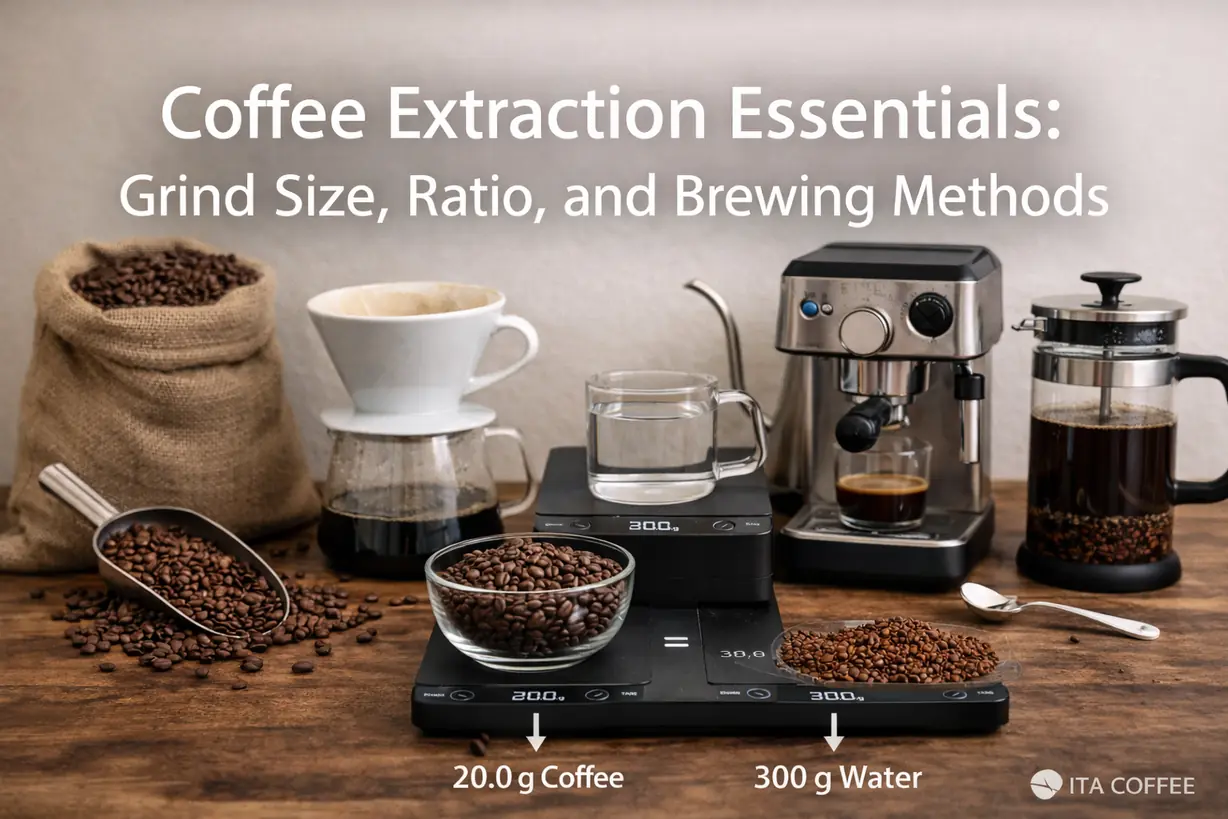
If you’re adjusting timing or flavor balance, review our guide on coffee extraction explained to understand how flow shapes taste.
Milk Foam
- Milk: Whole milk preferred
- Texture: Dry, fine foam
- Quantity: 1–2 teaspoons
No latte-style milk. No thick layers.
Step-by-Step: How to Make a Macchiato
Step 1: Brew the Espresso
- Grind fine.
If you’re unsure how grind size affects flow and taste, review grind size, ratio, and time basics. - Pull one balanced espresso shot
- Serve in a small cup
Taste it. A macchiato assumes the espresso already tastes good.
If the espresso tastes bitter, sour, or harsh at this stage, the issue is extraction—not the macchiato itself.
Our guide on why coffee tastes bitter or sour
explains how flavor is your feedback—especially in drinks with almost no milk to hide mistakes.
For deeper detail, see coffee extraction explained.

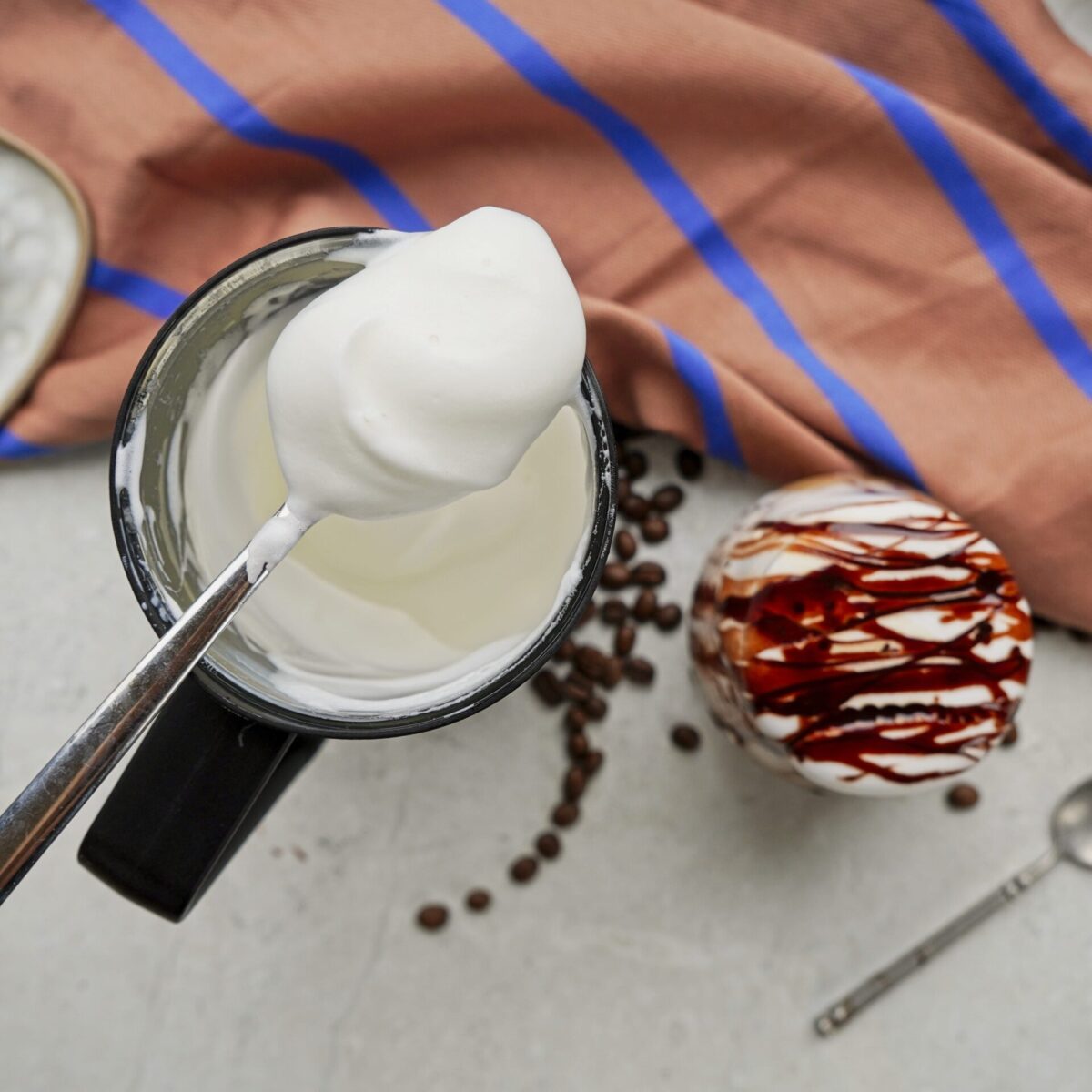
Step 2: Foam the Milk
- Use cold milk
- Add air to create dry microfoam
- Stop early—do not heat too much
You are making foam, not steamed milk.
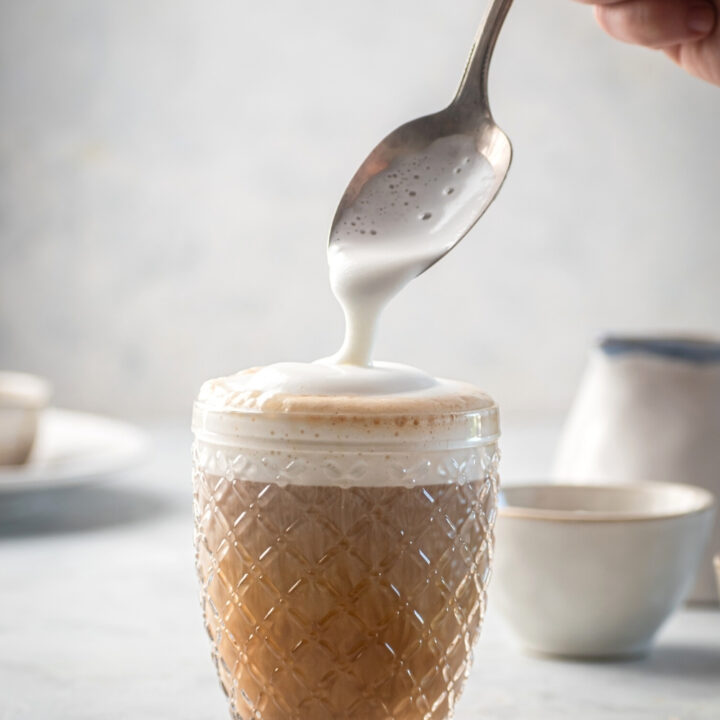
Step 3: Mark the Espresso
- Spoon a small amount of foam onto the espresso
- One spot or a thin layer is enough
That’s it.
If it looks like a milk drink, you’ve added too much.
Common Macchiato Mistakes (And Corrections)
| Problem | Likely Cause | Fix |
|---|---|---|
| Tastes diluted | Too much milk | Use foam only |
| Too bitter | Over-extracted espresso | Shorten extraction |
| Flat texture | Milk too hot | Stop earlier |
| Not a macchiato | Large cup, lots of milk | Reduce size |
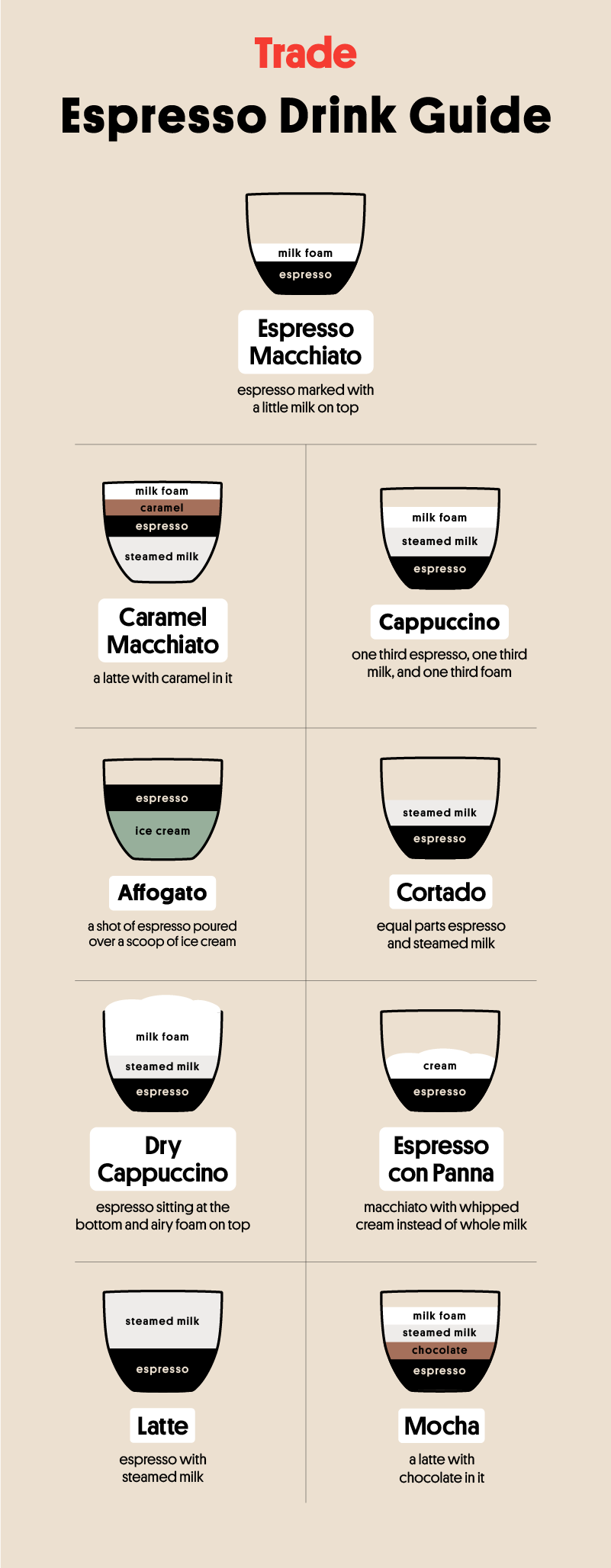
Macchiato vs Other Espresso Drinks
| Drink | Milk Amount | Purpose |
|---|---|---|
| Espresso | None | Pure coffee |
| Macchiato | Foam only | Soften espresso |
| Cortado | Steamed milk | Balance equally |
| Latte | Lots of milk | Milk-forward |
Understanding this structure helps avoid menu confusion.
For example, an Americano changes strength by adding water, while a Flat White changes texture through milk integration.
Want Better Control Over Small Drinks?
Small drinks demand precision:
- Espresso quality matters more
- Grind consistency becomes obvious
- Milk texture must be intentional
If you’re dialing in espresso or choosing tools for short drinks, our Coffee Tools & Reviews section explains which equipment types help most—without brand pressure.
Still refining technique? Our guide on brewing better coffee at home
explains why workflow often matters more than buying new gear.
Final Thoughts from itacoffee
A macchiato is not complicated.
It’s deliberate.
At itacoffee, we believe clarity beats complexity. Learn the structure, respect the ratios, and even the smallest cup can teach you a lot about coffee.
— itacoffee | Coffee Knowledge for everyday brewers
This article was written and optimized with the assistance of AI, then reviewed and refined to maintain an educational, non-commercial tone.
Recommended Next Guides
- Want a fuller milk drink? → Latte Guide
- Prefer balanced milk and espresso? → Cappuccino Guide


Leave a Reply