
A clear, teacher-style guide for beginners who want a balanced, café-quality latte at home.
A latte looks simple—espresso plus milk—but many people struggle with one of these problems:
- The coffee tastes too weak
- The milk feels flat or watery
- The drink lacks that smooth café texture
In this guide, you’ll learn how to make a proper latte by understanding principles, not just following steps.
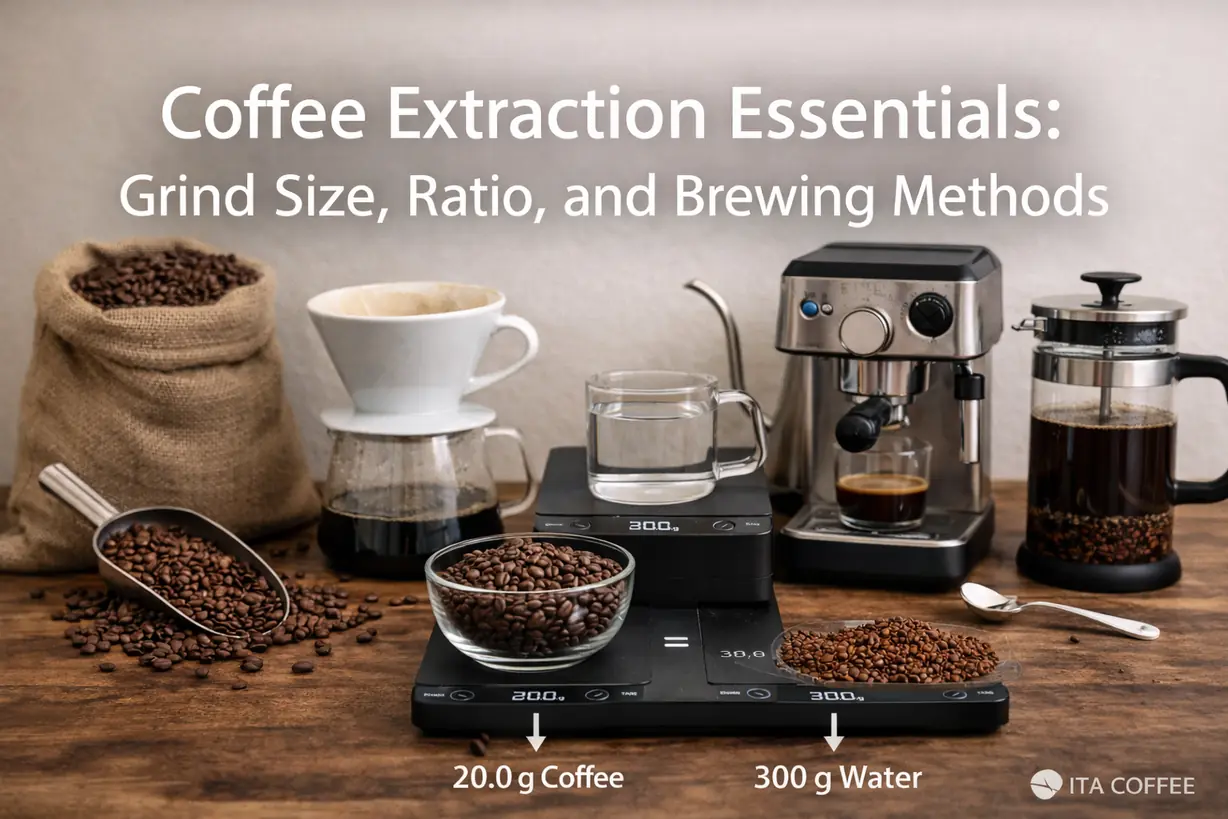
If you’re new to brewing fundamentals, our guide on coffee brewing basics explains how grind size, ratio, and time shape every cup.
Once you get the logic right, your results become much more consistent.
In This Guide
What Is a Latte?
A latte (caffè latte) is a milk-forward espresso drink made with:
- 1 shot of espresso
- Steamed milk
- A thin layer of microfoam
Unlike cappuccino or flat white, a latte is softer, creamier, and designed to highlight milk sweetness while keeping espresso present but not aggressive.
If you’re still dialing in espresso itself, see our full espresso guide for a deeper breakdown of grind adjustment and extraction control.
Equipment Basics (Principles, Not Brands)
To make a latte, you need tools that can handle pressure, temperature, and control.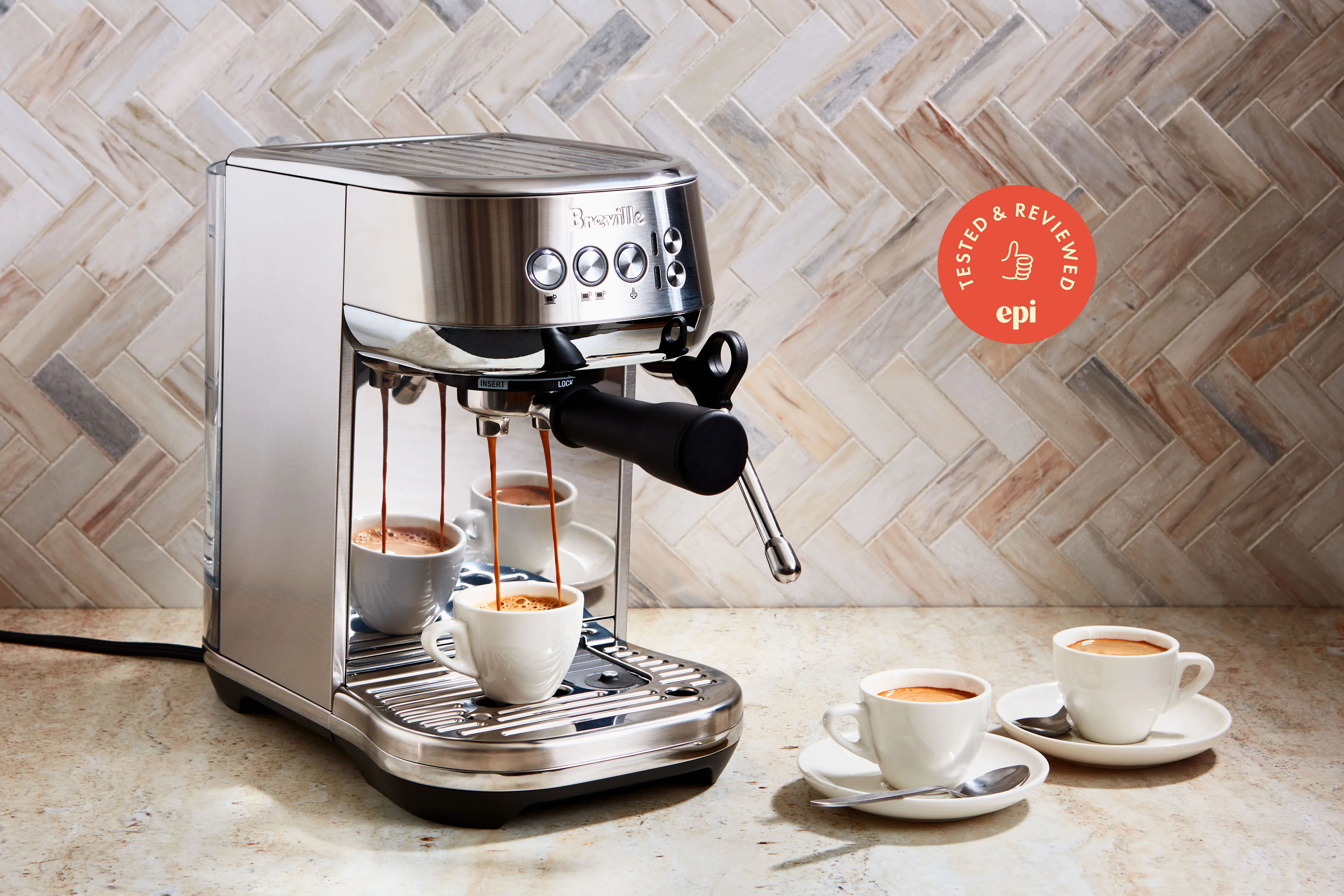
Essential Tools
- Espresso maker
→ Any machine capable of producing real espresso (pressure matters more than automation) - Coffee grinder
→ Fresh grinding is critical. If you’re unsure whether pre-ground coffee is limiting your results, see pre-ground vs fresh ground coffee.
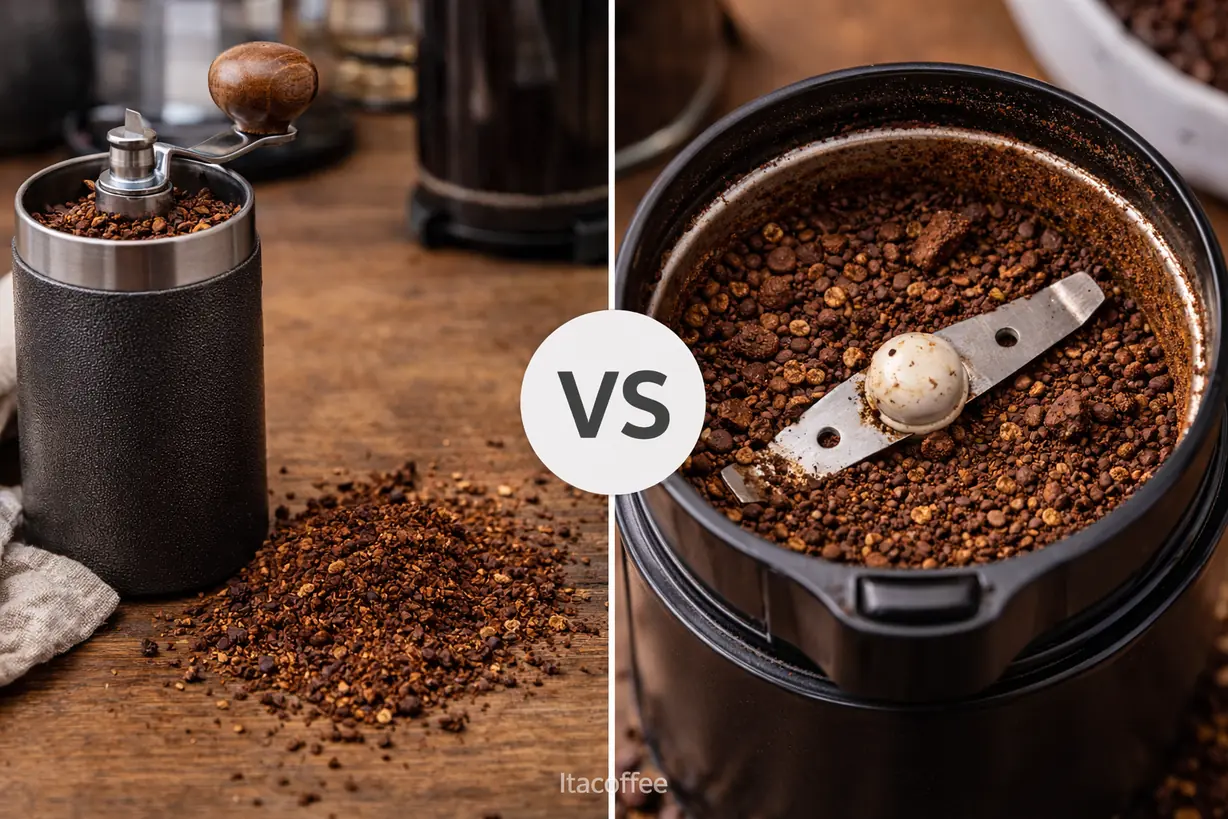
For grinder types, this comparison of burr vs blade grinders explains why consistency matters so much for espresso. - Milk frothing tool
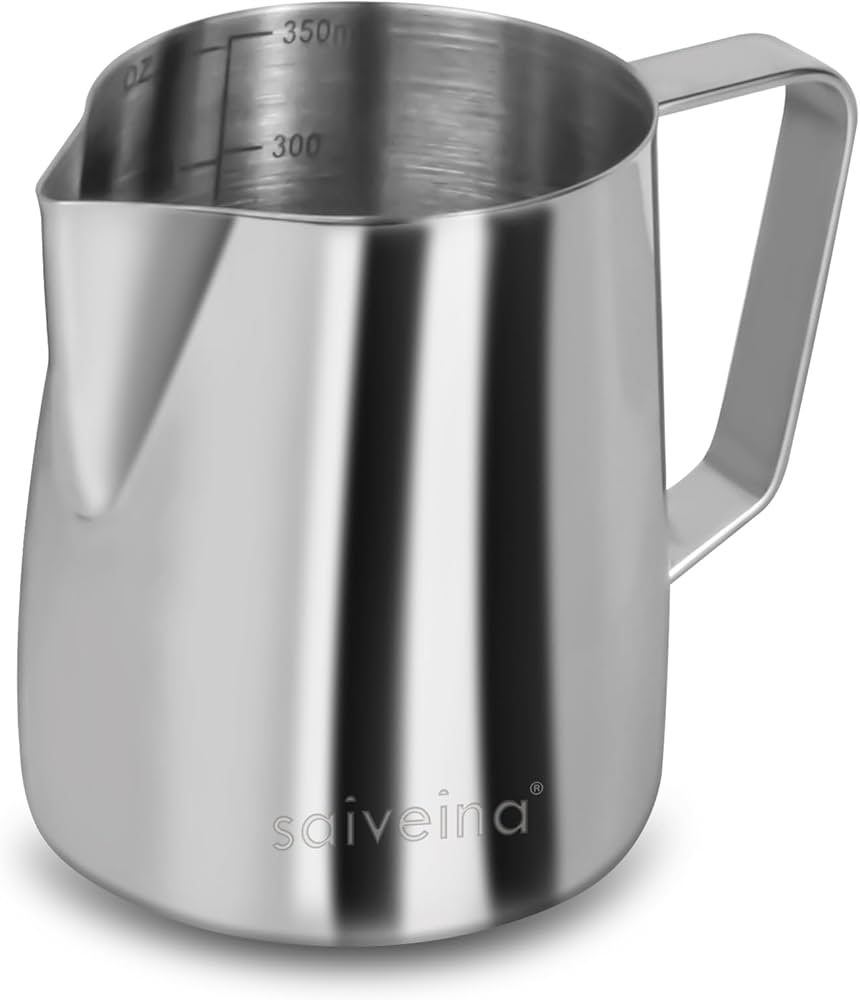
→ Steam wand, electric frother, or manual frother - Scale (recommended)
→ Helps control ratio and repeatability
👉 Principle: If the espresso is weak, no milk technique can fix it.
Core Parameters (This Is Where Consistency Comes From)
Coffee-to-Milk Ratio
- Espresso: 18–20 g ground coffee → ~36–40 g liquid espresso
- Milk: 150–200 ml
This creates the classic latte balance: milk-forward but still coffee-defined.
Water Temperature (Espresso)
- 92–96°C (198–205°F)
Too low = sour; too high = bitter.
Milk Temperature
- 60–65°C (140–150°F)
Hot enough for sweetness, not so hot that proteins break down.
Milk Choice
- Whole milk: best balance of sweetness and texture
- Oat milk (barista version): easiest plant option for foam
- Low-fat milk: less creamy, more foam bubbles
Step-by-Step: How to Make a Latte
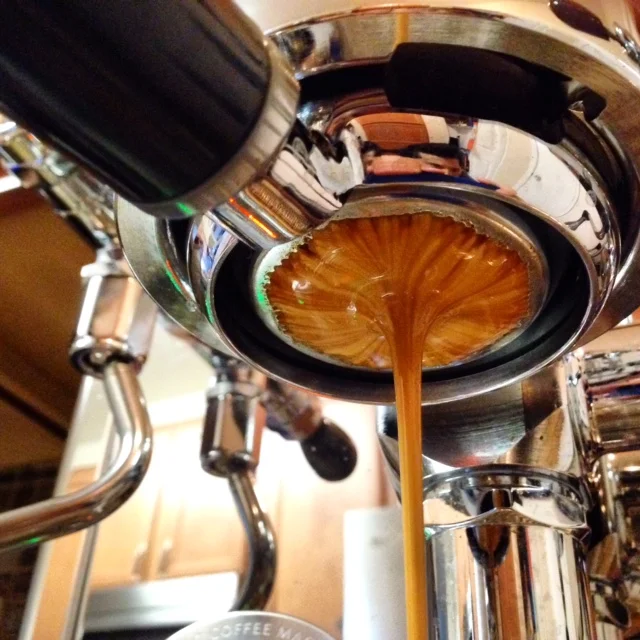
Step 1: Pull the Espresso
- Grind coffee fine (espresso texture)
- Dose 18–20 g
- Extract for 25–30 seconds
- Aim for 36–40 g of espresso
If your espresso tastes sour → grind finer or extract longer.
To understand why timing changes flavor so dramatically, see our guide on coffee extraction explained.
If the cup tastes unbalanced, this breakdown of why coffee tastes bitter or sour helps diagnose the issue.
Step 2: Steam the Milk
- Start with cold milk
- Introduce air briefly (first 3–5 seconds)
- Then submerge the wand to heat and texture
- Stop at 60–65°C
The goal is microfoam—silky milk, not stiff foam.
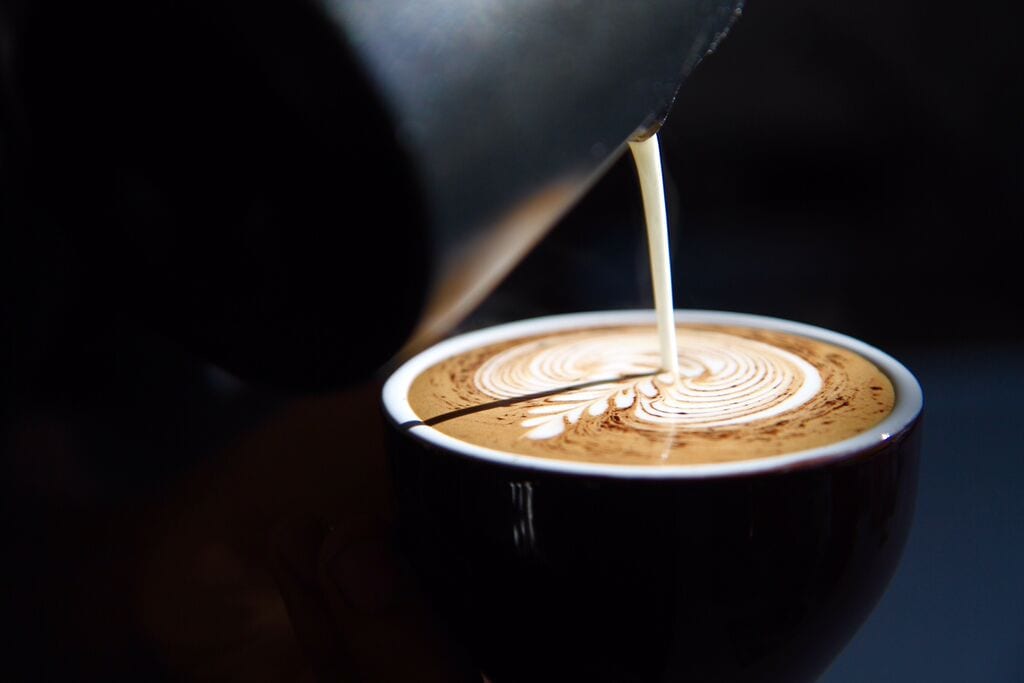
Step 3: Combine
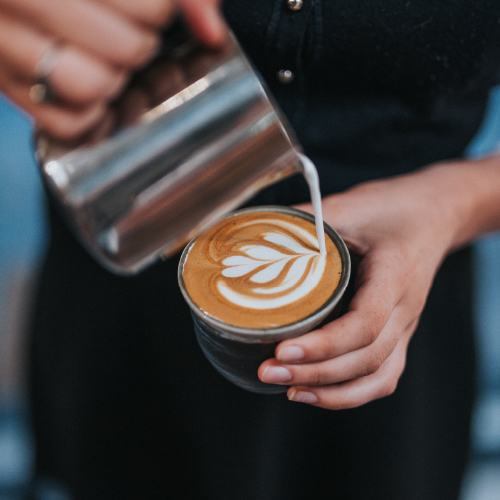
- Pour steamed milk slowly into espresso
- Keep the cup steady
- Finish with a thin foam layer
Latte art is optional. Texture is not.
Common Latte Mistakes (And How to Fix Them)
| Problem | Likely Cause | Fix |
|---|---|---|
| Watery taste | Too much milk | Reduce milk volume |
| Bitter latte | Over-extracted espresso | Shorten extraction |
| Flat milk | Milk too hot | Stop steaming earlier |
| No sweetness | Old coffee beans | Use fresher beans. Roast level also affects sweetness and balance—see dark roast vs light roast to understand how roasting changes flavor in milk-based drinks. |
If you prefer a cleaner, black-coffee style drink, you may want to compare this with an Americano, which uses hot water instead of milk to open up espresso flavor.
Want More Control and Better Results?
Once you understand the basics, better tools simply make consistency easier—not magically better.
As we explain in why expensive coffee gear doesn’t fix bad coffee, technique always comes first.
If you want:
- More stable espresso extraction
- Easier milk texturing
- Better results with less trial and error
👉 You can explore our Coffee Tools & Reviews section to see how different equipment types affect latte quality in real use.
For readers who enjoy clarity and control without milk, pour over brewing (V60)
offers a very different way to explore coffee flavor.
If you’re curious how different brewing styles reshape flavor overall, see how brewing methods affect coffee flavor.
Final Thoughts from itacoffee
A good latte is not about expensive machines—it’s about ratio, temperature, and milk texture.
Master those three, and your home latte will already outperform many cafés.
At itacoffee, we focus on understanding coffee, not selling hype.
Learn the principles once, and every cup gets easier.
— itacoffee | Brewing Guides for thoughtful coffee makers
This article was written and optimized with the assistance of AI, reviewed and refined for clarity and educational value.
Recommended Next Guides
- Prefer less milk and more coffee presence? → strong>Flat White Guide
- Looking for a foam-forward drink? → Cappuccino Guide
- Enjoy black coffee instead? →Americano Guide


Leave a Reply