Coffee gear you can skip is not determined by price or popularity—it is defined by whether a tool improves control over extraction variables.
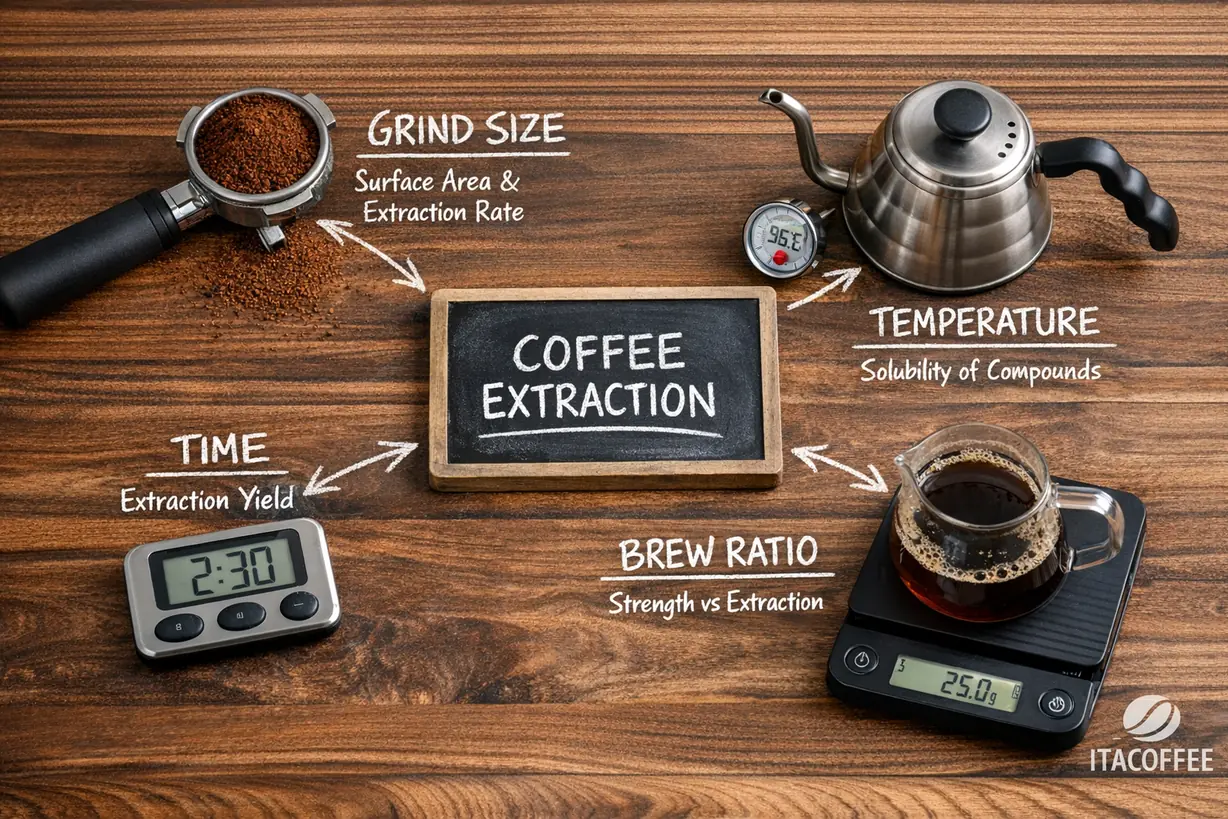
Coffee brewing is a controlled dissolution process. The outcome depends on how precisely you manage:
- Grind size (surface area and extraction rate)
- Water temperature (solubility of compounds)
- Contact time (extraction yield)
- Brew ratio (strength vs extraction balance)
Any tool that does not improve control over these variables is, from a technical perspective, non-essential.
In This Guide
Coffee Gear You Can Skip: Defining “Unnecessary” Through Extraction Physics
A tool is unnecessary if it does not:
- Improve consistency
- Increase control precision
- Reduce variability in extraction
This aligns with the core framework explained in:
Coffee Brewing Basics: Grind Size, Ratio, and Time
Coffee Gear You Can Skip: Category 1 — Tools That Do Not Affect Extraction
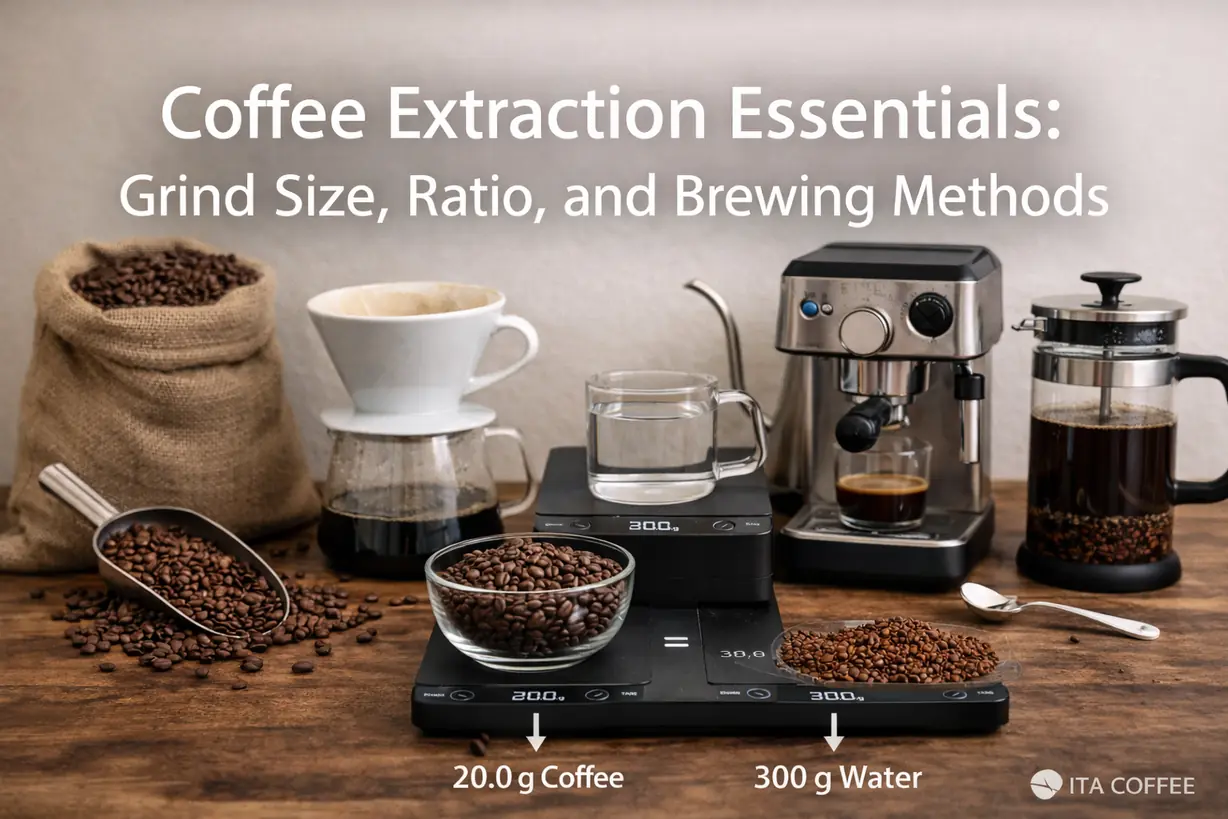
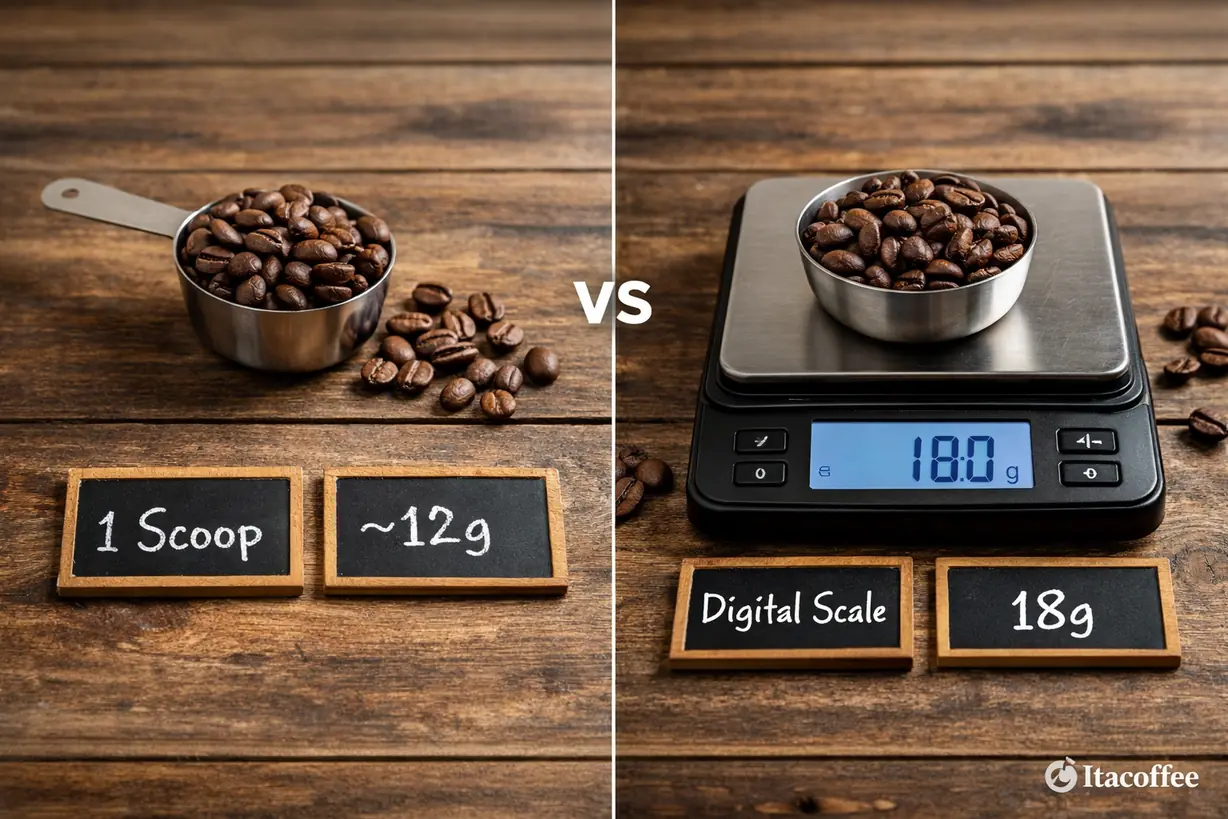
1. Coffee Scoops — Inconsistent Measurement
A coffee scoop appears useful but introduces variability.
Why it fails:
- Coffee density varies by roast level
- Bean size and shape affect volume
- Results in inconsistent brew ratios
Technical concept: brew ratio
Without mass measurement, extraction becomes unpredictable. A scale directly controls input variables, while a scoop does not.
Scientific explanation:
2. Decorative Storage Containers — No Impact on Freshness Control
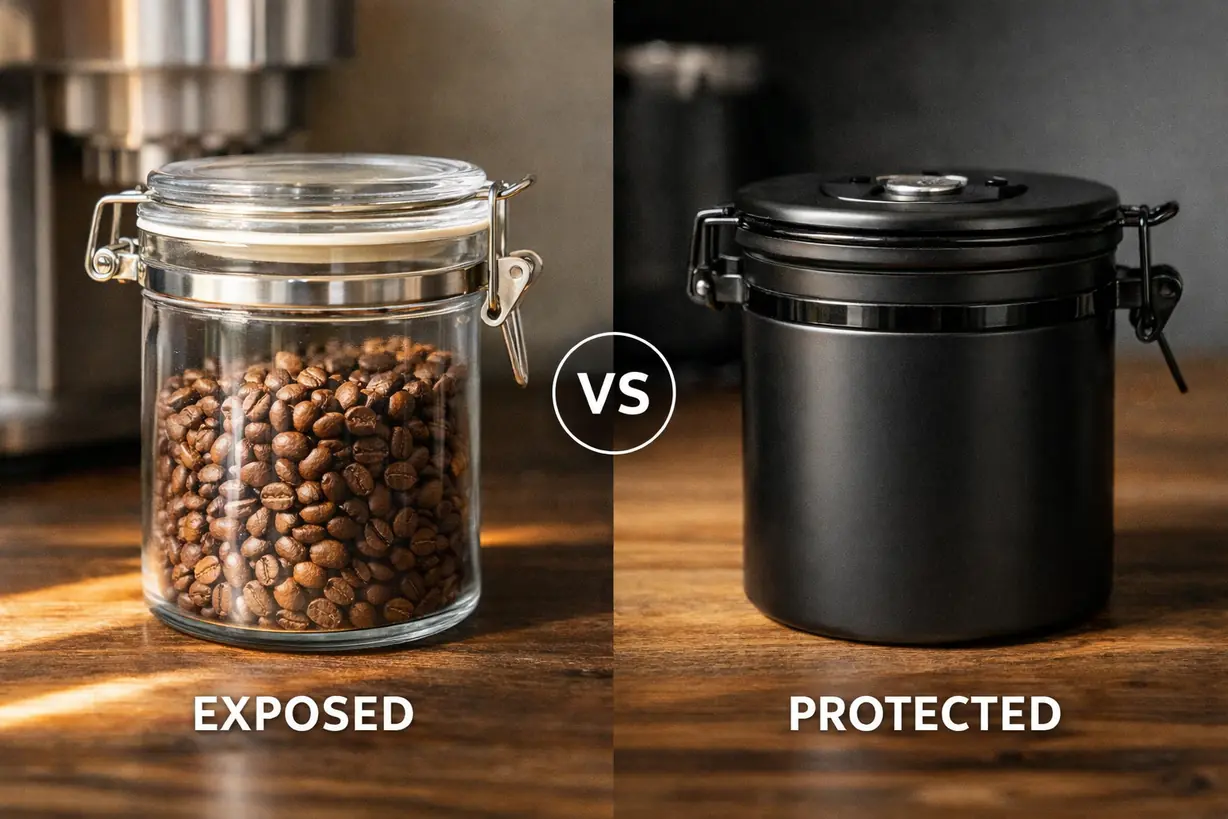
Many storage containers prioritize aesthetics over function.
Key variable: oxidation rate
- Oxygen exposure drives staling
- Light and heat accelerate degradation
Unless a container actively reduces oxygen (e.g., vacuum systems), it does not significantly improve extraction outcomes.
Related concept:
Why Freshly Ground Coffee Matters
Coffee Gear You Can Skip: Category 2 — Tools That Add Complexity Without Control
3. Espresso Distribution Tools (For Beginners)
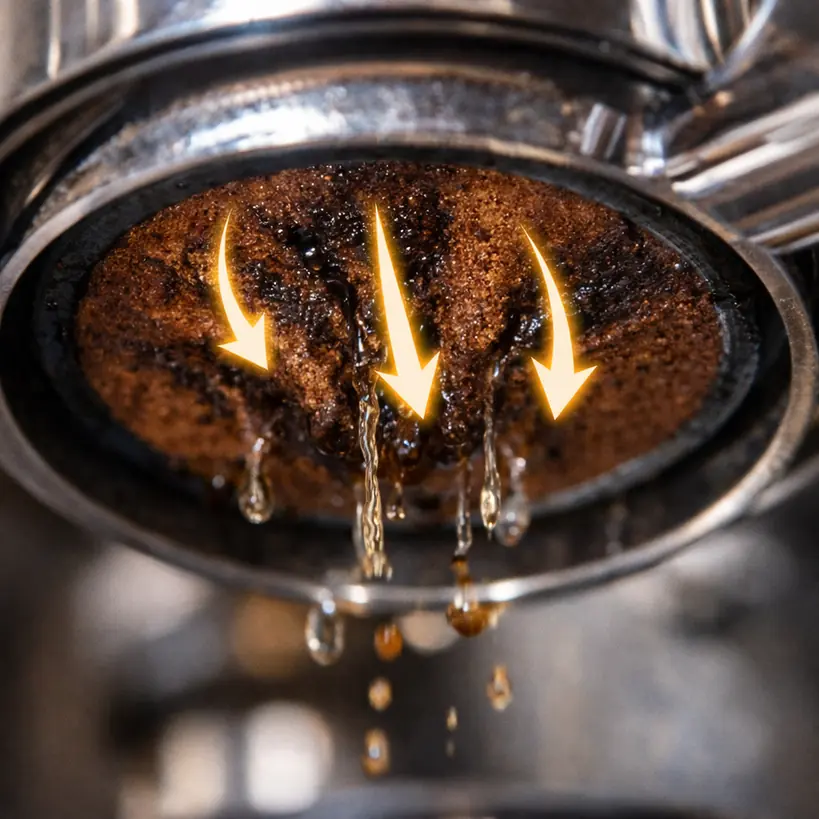
Distribution tools attempt to improve puck uniformity, but they address a secondary problem.
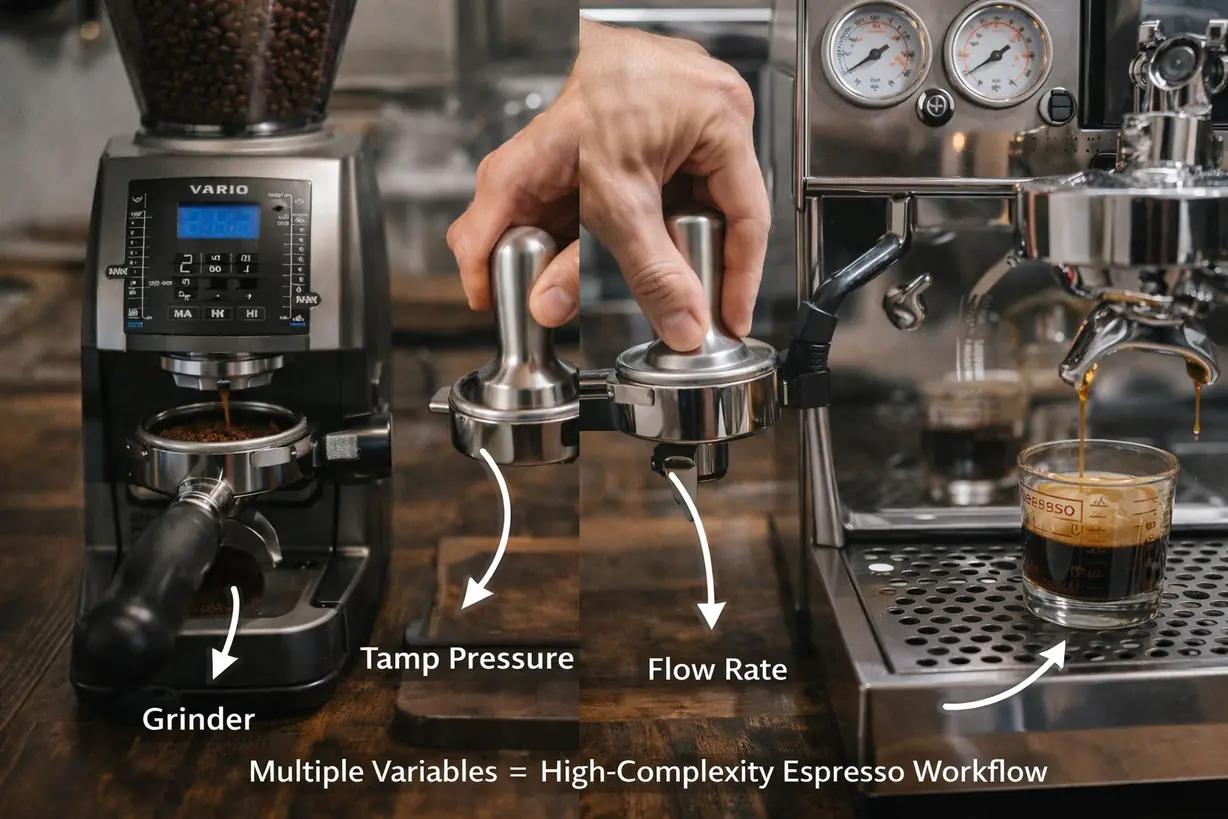
Primary variables in espresso:
- Grind size
- Flow rate
- Pressure
If grind distribution is inconsistent, the root issue is the grinder—not the distribution tool.
Underlying issue: channeling
Explanation:
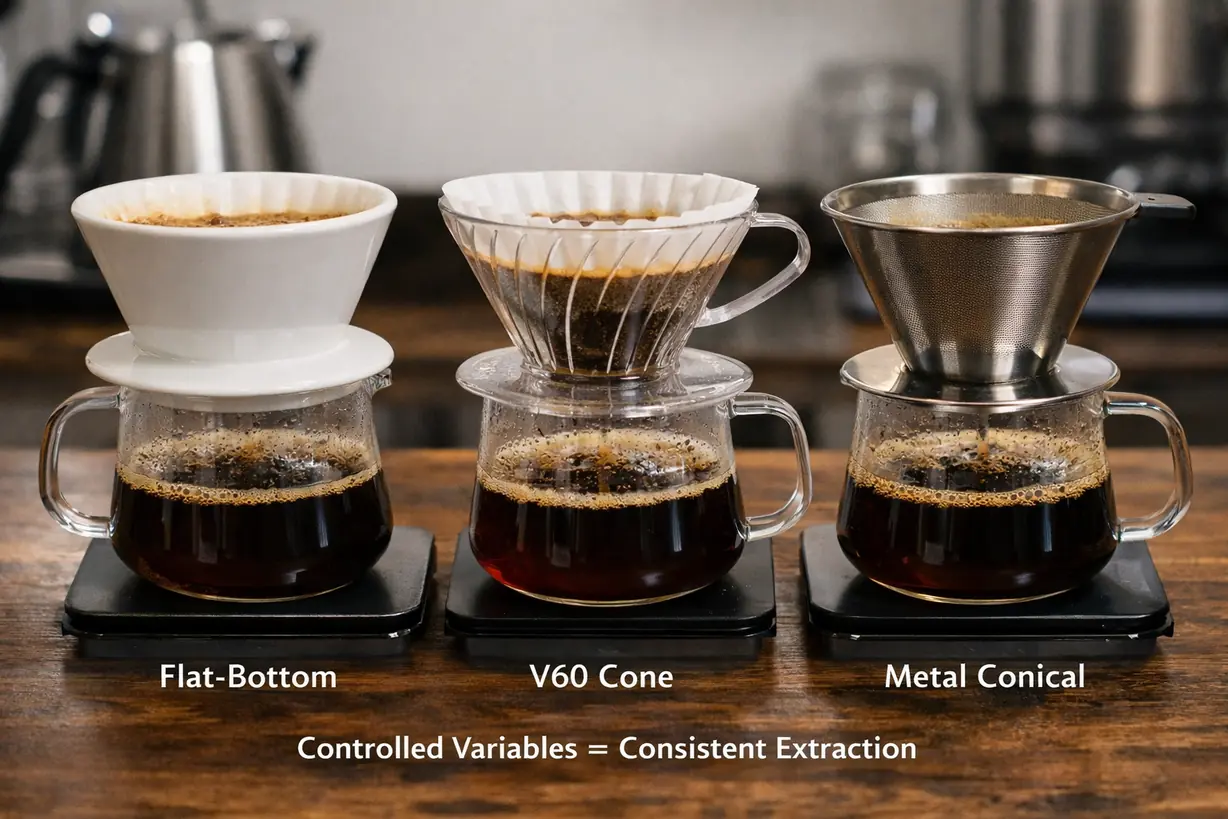
4. Advanced Pour-Over Accessories (Drippers with Complex Designs)
Some brewers claim to “optimize extraction” through structural complexity.
However, extraction is governed by:
- Flow rate (controlled by grind size)
- Pouring technique
- Filter resistance
Device complexity does not replace process control.
Technical framework:
How Brewing Methods Affect Coffee Flavor
Coffee Gear You Can Skip: Category 3 — High-Cost Systems Without Skill Foundation
5. Espresso Machines (Without Workflow Understanding)
Espresso machines introduce high pressure (~9 bars), increasing extraction complexity.
Key issue:
- Narrow margin of error
- High sensitivity to grind size
- Requires precise workflow control
Without understanding extraction fundamentals, expensive machines amplify inconsistency rather than reduce it.
Further analysis:
Is an Espresso Machine Worth It?
Coffee Gear You Can Skip: The Core Principle
Tools do not improve coffee—control does.
Any piece of gear should be evaluated based on whether it improves:
- Repeatability
- Precision
- Feedback clarity
This principle is reinforced in:
Why Expensive Coffee Gear Doesn’t Fix Bad Coffee
Coffee Gear You Can Skip: What Actually Matters Instead
Essential Variables to Master
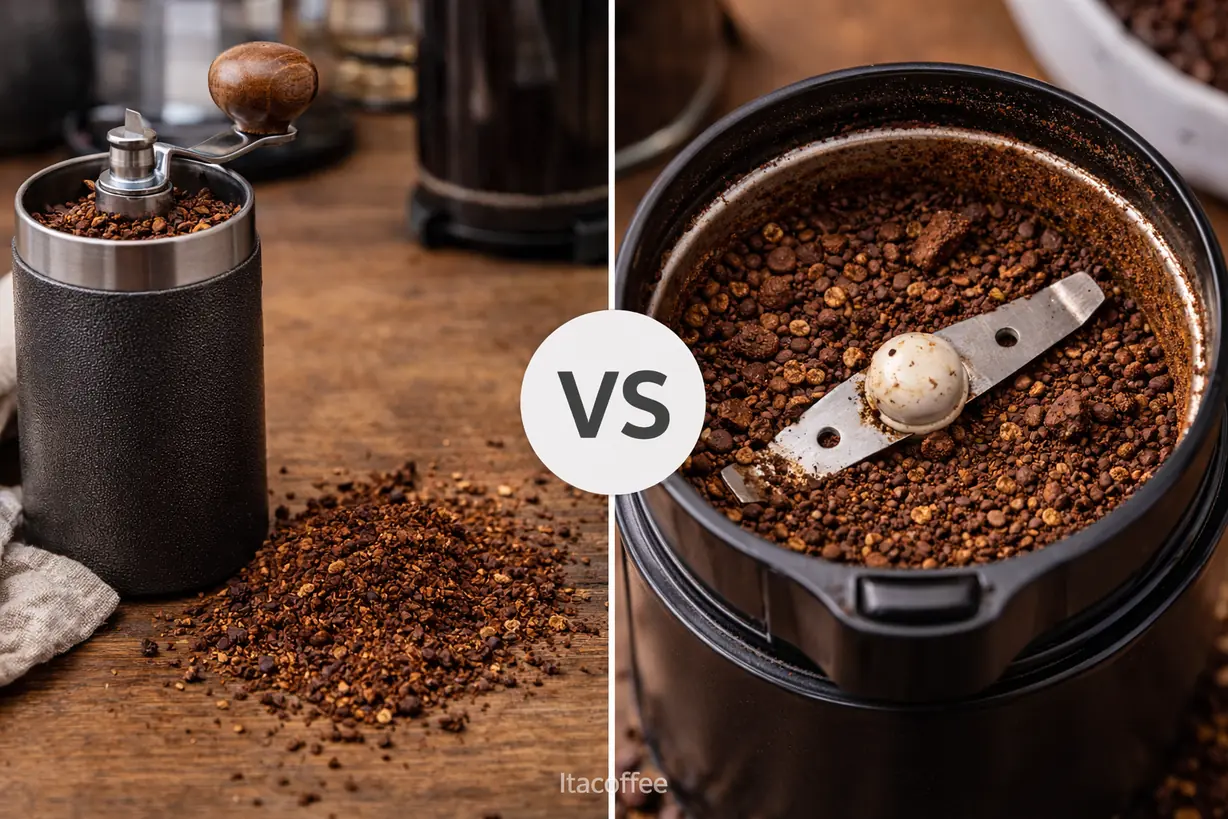
- Grind consistency → controls extraction rate
- Brew ratio → controls strength
- Time → controls extraction yield
- Temperature → controls solubility
These variables are interconnected:
Grind Size Time Ratio Relationship
Practical Workflow
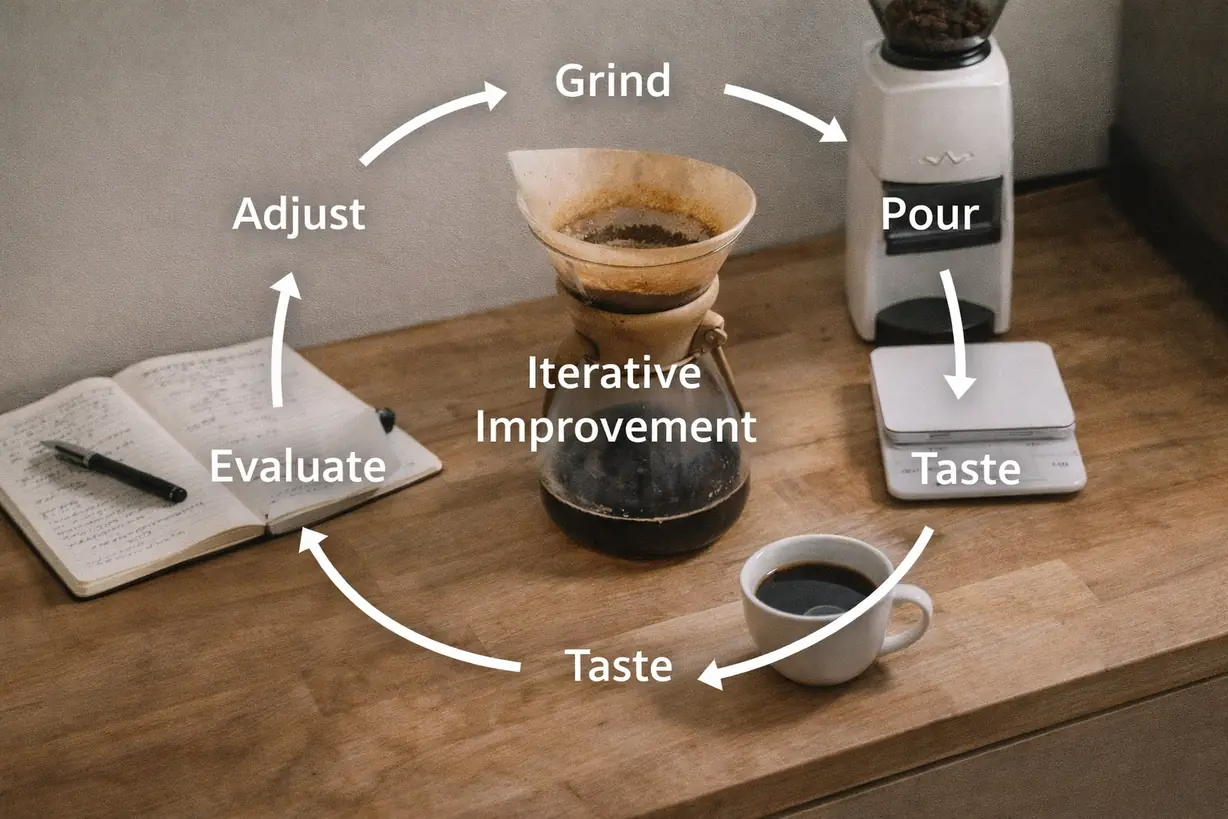
- Adjust grind size → observe taste
- Fix ratio → stabilize strength
- Control pouring → manage flow
- Evaluate → refine extraction
Application guide:
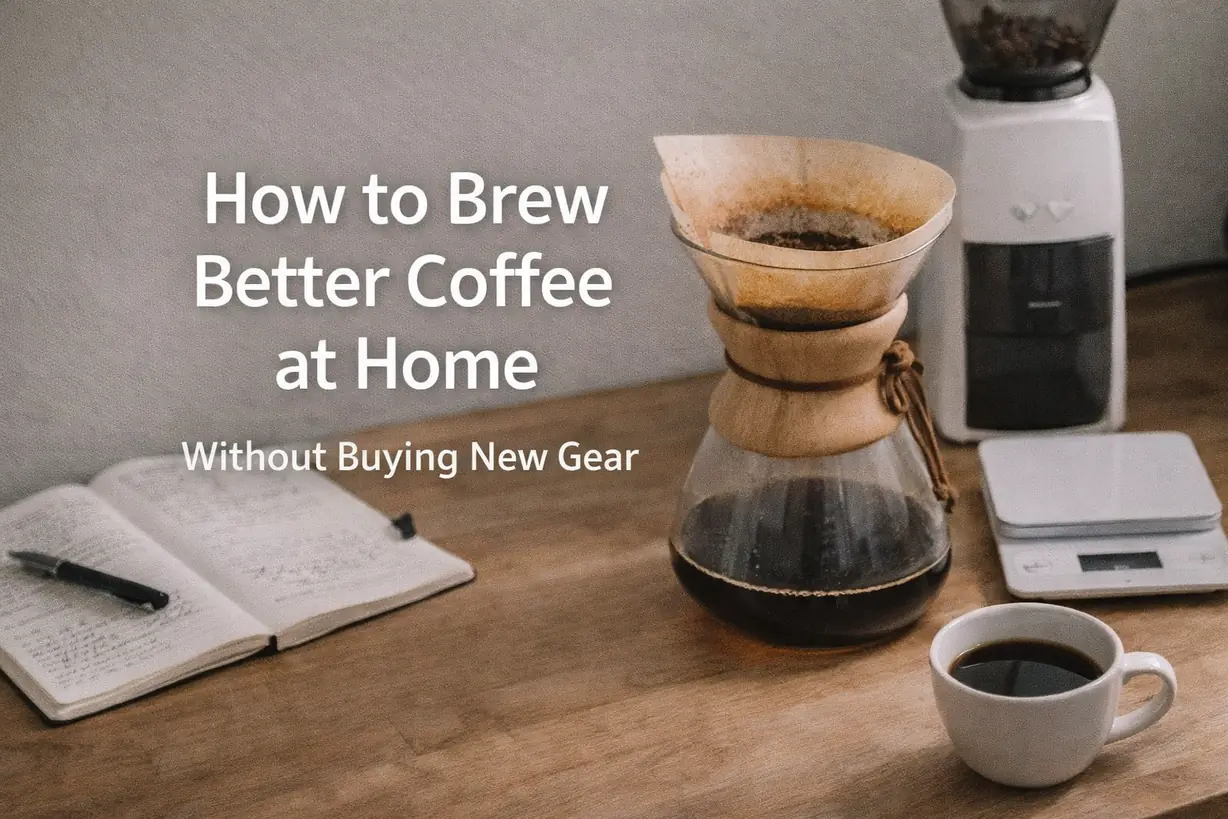
How to Brew Better Coffee at Home (Without Buying New Gear)
Conclusion
Coffee gear you can skip is not about minimalism—it is about eliminating tools that do not improve extraction control.
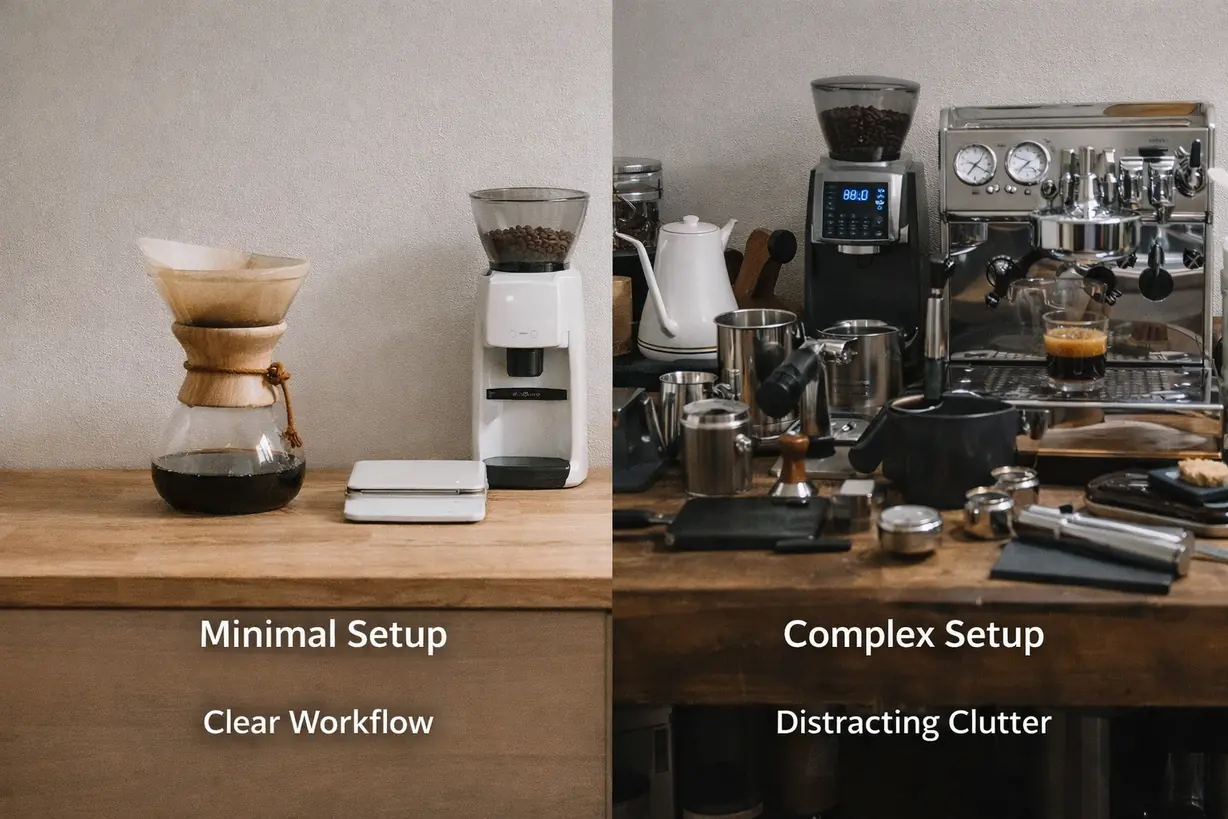
From a systems perspective:
- More tools → more variables
- More variables → less clarity
- Less clarity → slower learning
The most efficient path to better coffee is not accumulation—but precision and feedback.
Itacoffee Perspective:
Before adding new equipment, test whether you can consistently adjust grind size, ratio, and time to correct flavor defects. If you cannot diagnose under- or over-extraction, new gear will not solve the problem—only obscure it.