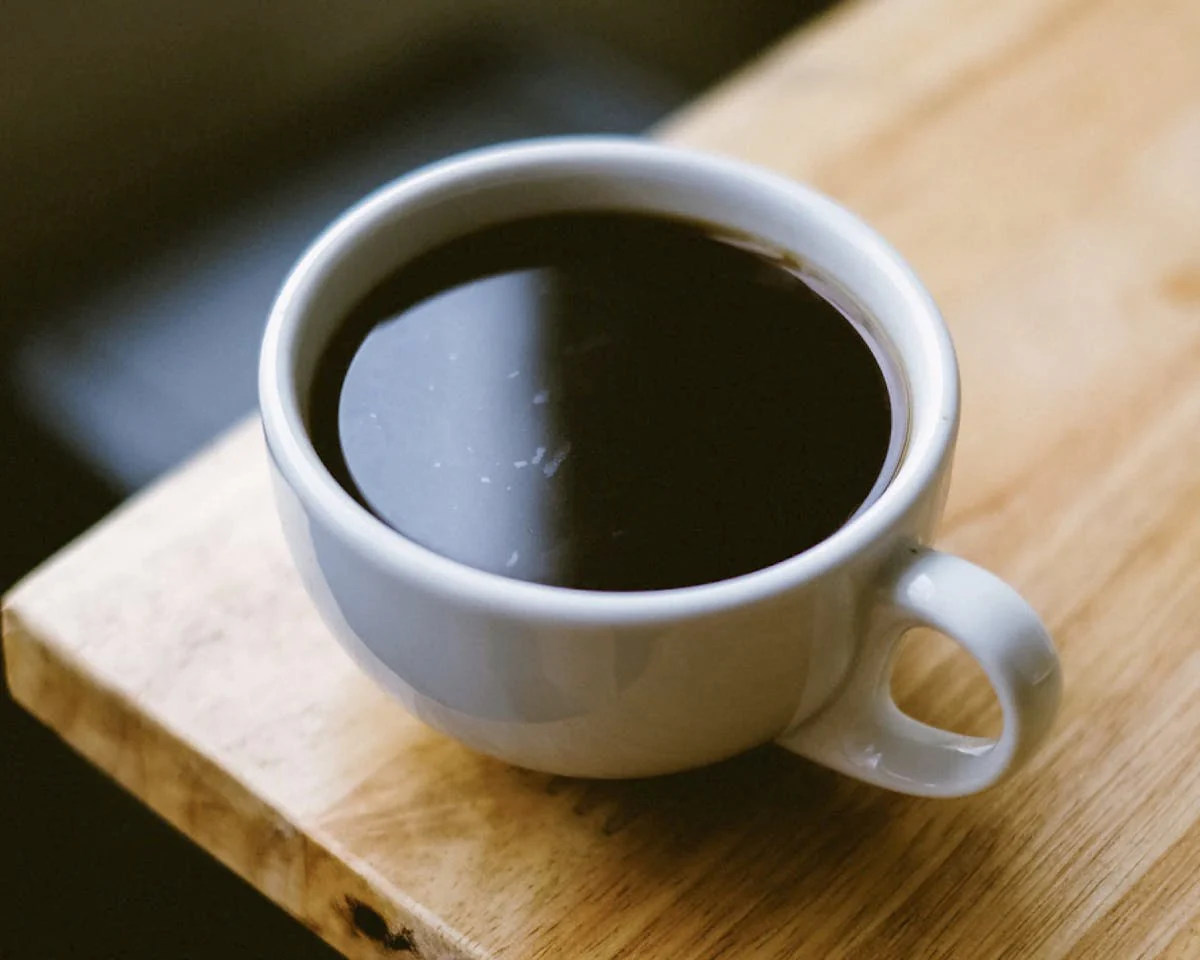
The Americano often gets misunderstood. Some people find it too bitter, others say it tastes thin or empty, and many assume it’s just “espresso diluted with water.”
In reality, a good Americano is about structure and order, not complexity. As we explain in our guide on how brewing methods affect coffee flavor, technique shapes how extraction presents itself in the cup.
This guide explains why each step matters—so you can adjust confidently instead of guessing.
In This Guide
What Is an Americano?
An Americano is made by adding hot water to espresso, not the other way around.
Classic structure:
- Espresso (base flavor)
- Hot water (dilution and clarity)
Compared to drip coffee, an Americano has:
- Cleaner aroma
- Less bitterness (when done right)
- More control over strength
While Americano starts with espresso, V60 pour over achieves clarity through percolation instead of pressure.
Equipment Basics (Focus on Function)
You don’t need many tools—but each one must do its job well.
Essential Tools
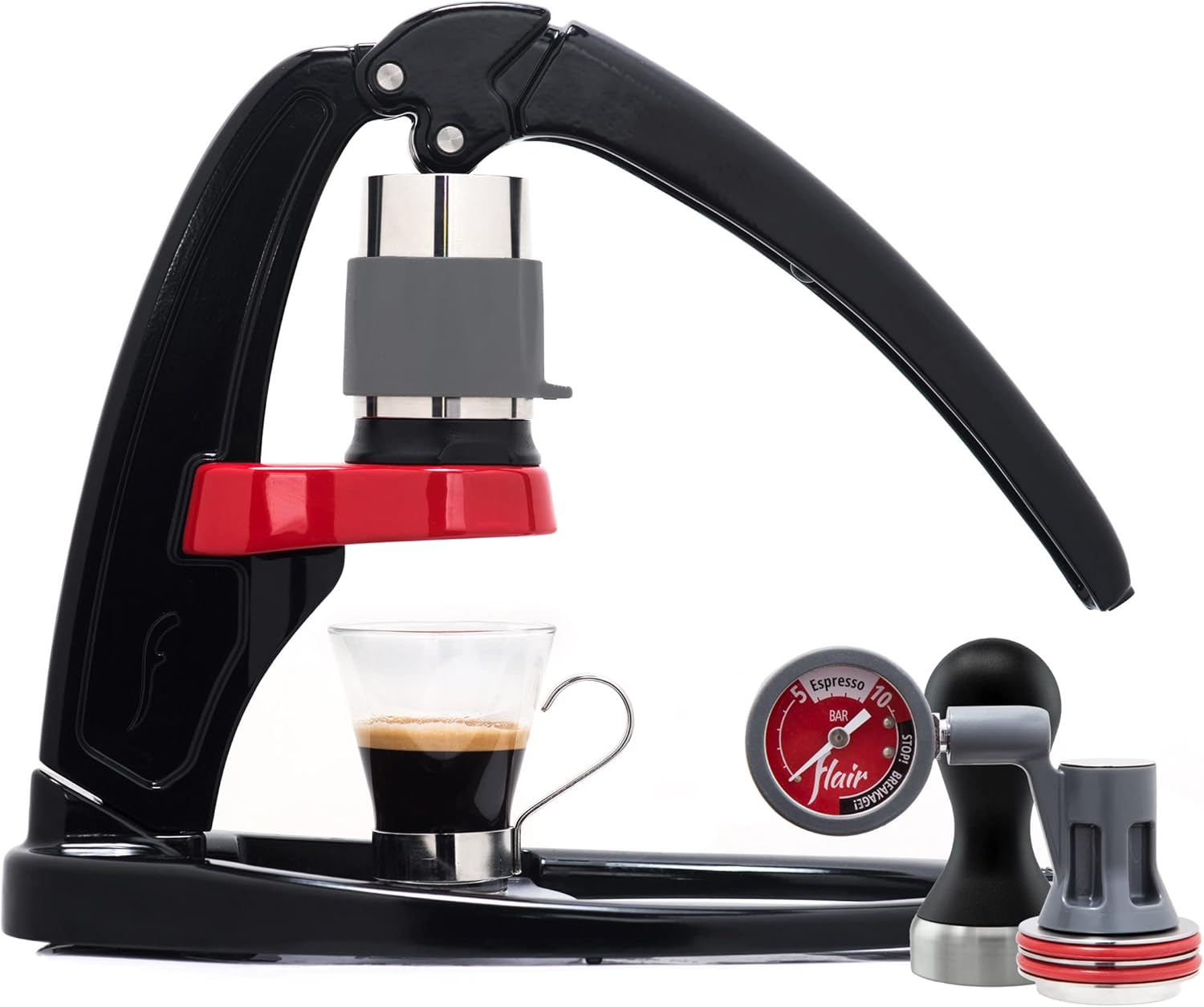
- Espresso machine or espresso-capable brewer
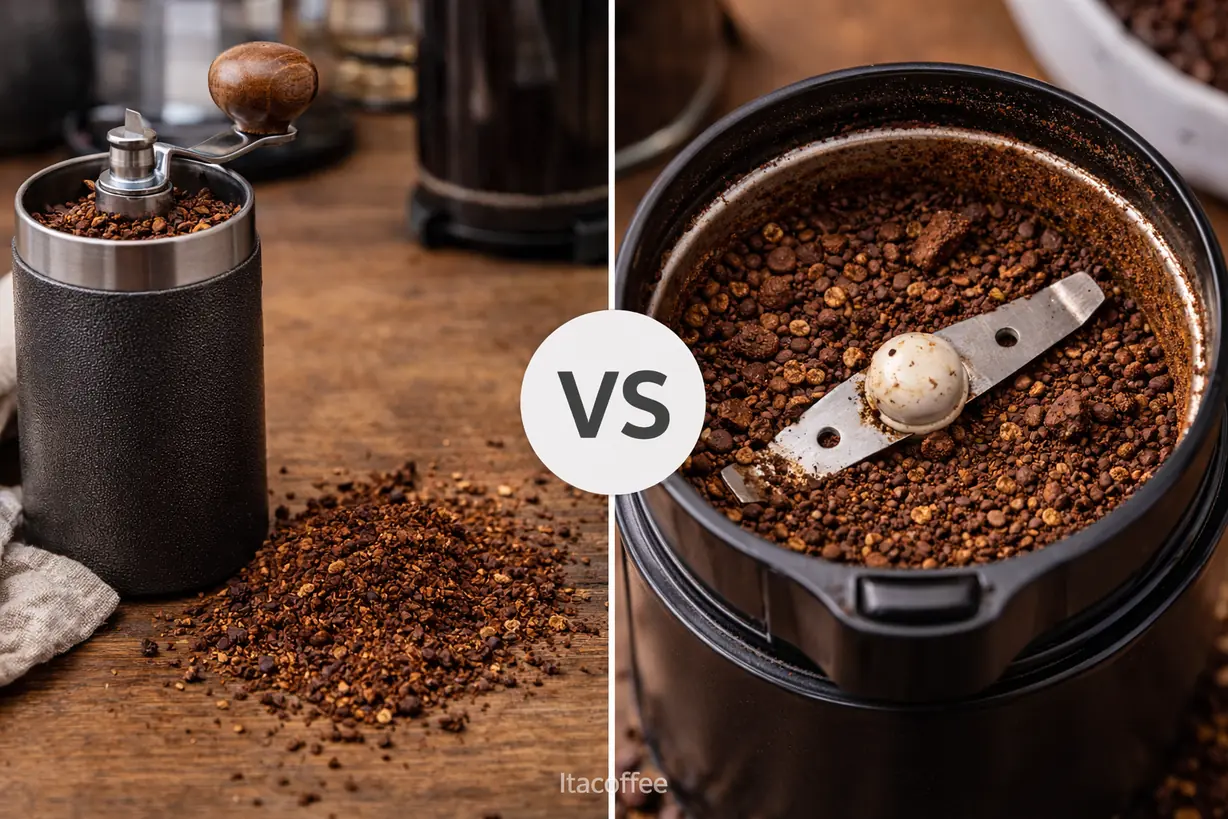
- Coffee grinder (a burr grinder ensures consistency — see our guide on burr vs blade grinders)
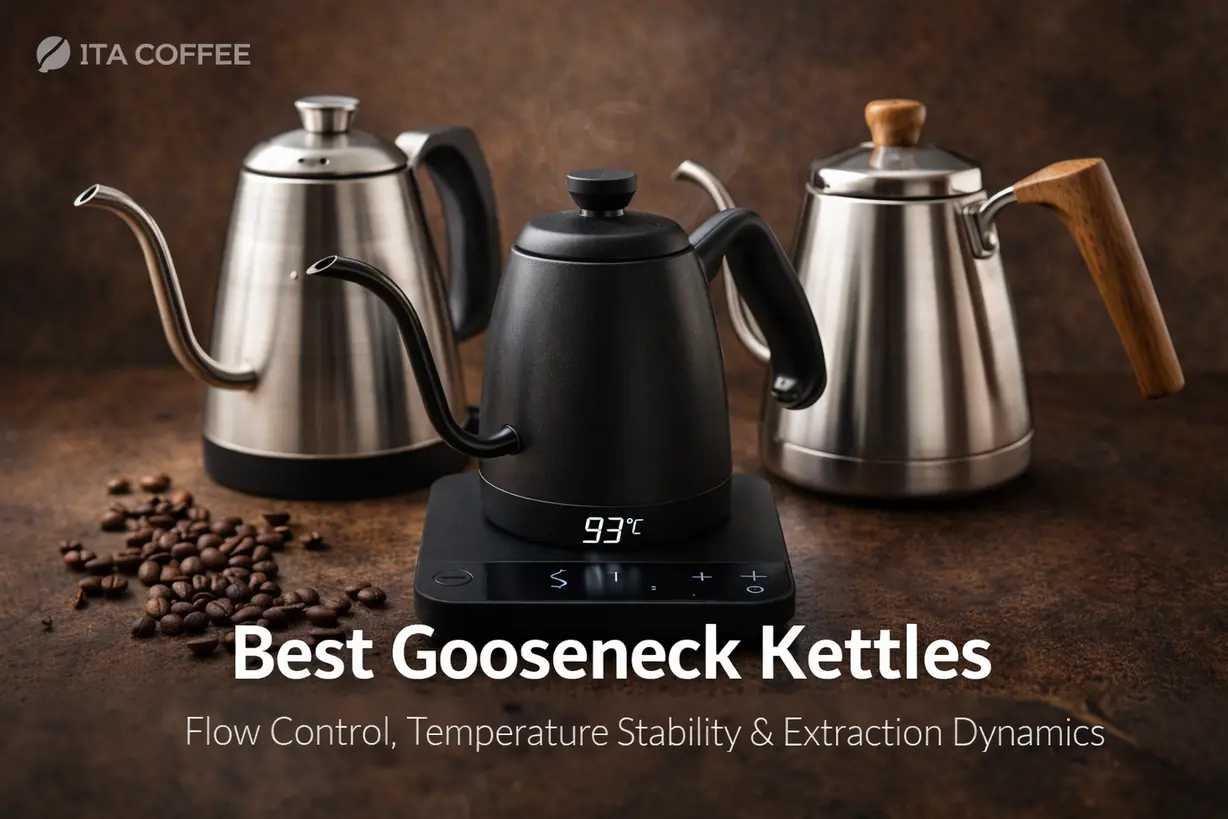
- Hot water source (kettle or machine outlet)
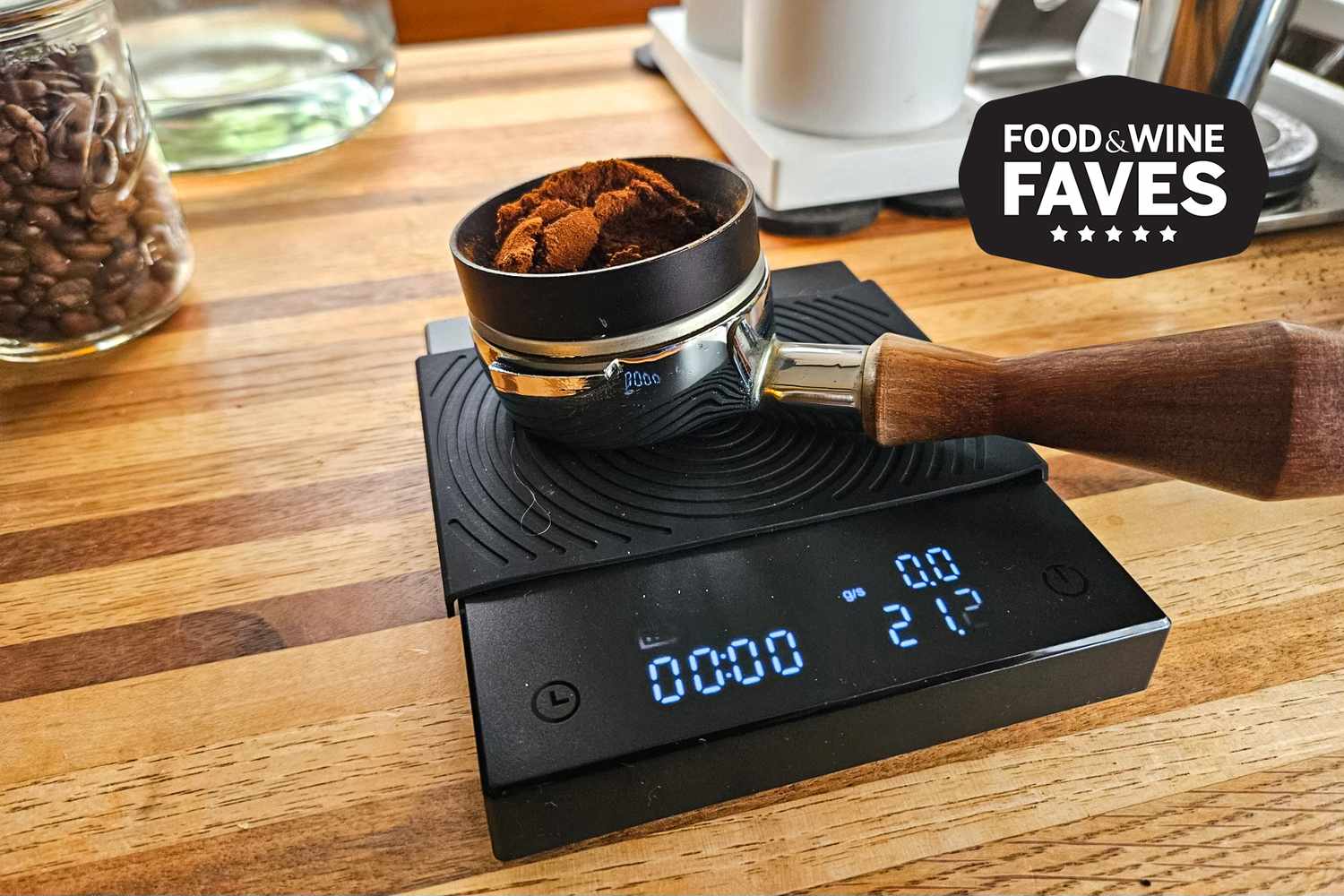
- Scale (recommended) — precise ratios matter (see coffee brewing basics)
👉 Principle: A weak espresso makes a weak Americano. Water only reveals what’s already there.
Core Parameters (The Real Recipe)
Espresso Base
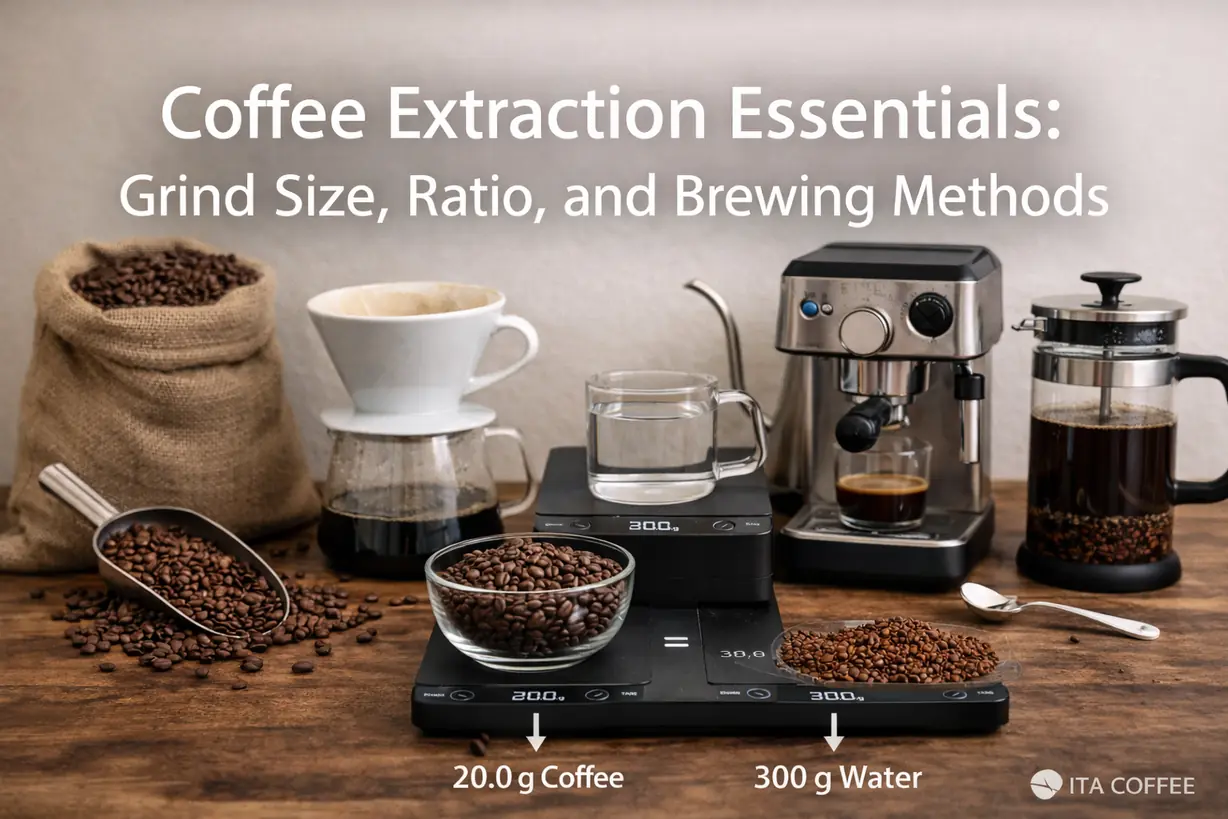
- Dose: 18–20 g ground coffee
- Yield: 36–40 g espresso
- Time: 25–30 seconds
This creates a solid flavor foundation. If you want to understand how time and yield interact, see our guide on coffee extraction explained.
Water-to-Espresso Ratio
Common starting points:
| Style | Espresso | Water | Result |
|---|---|---|---|
| Short Americano | 1 shot | 90–120 ml | Strong, espresso-forward |
| Classic Americano | 1 shot | 120–150 ml | Balanced |
| Long Americano | 1 shot | 180–200 ml | Light, tea-like |
👉 Adjust water, not espresso, to tune strength. If you’re unsure how strength differs from extraction, see strength vs extraction.
Water Temperature
- 85–95°C (185–203°F)
Avoid boiling water—it flattens aroma and increases bitterness.
Step-by-Step: How to Make an Americano
Step 1: Heat the Water
Prepare hot water at 85–95°C and pour it into your cup first.
This protects the espresso crema and aroma.
Step 2: Pull the Espresso
- Grind fine
- Dose 18–20 g
- Extract 36–40 g in 25–30 seconds
Fresh, balanced espresso matters more here than in milk drinks.
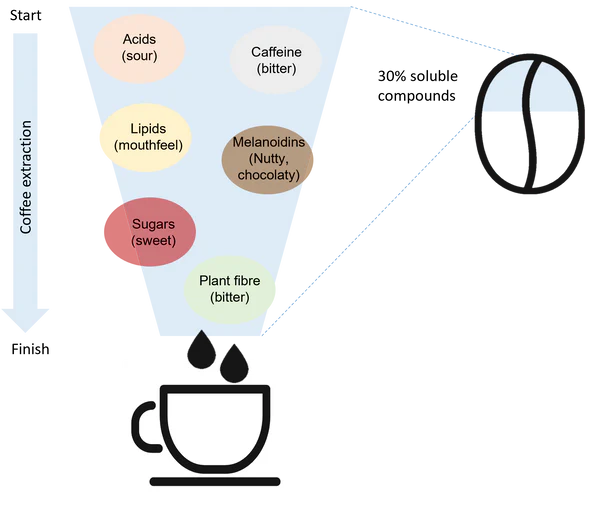
If the espresso tastes bitter, sour, or hollow at this stage, dilution won’t fix it—it will only make the problem more obvious. Our guide on why coffee tastes bitter or sour explains how extraction errors show up most clearly in drinks like Americano, where nothing is hidden by milk.
Step 3: Combine (Order Matters)
Pour the espresso into the hot water, not water into espresso.
This preserves:
- Aroma
- Mouthfeel
- Crema structure (light but present)
Common Americano Mistakes (And Fixes)
| Problem | Likely Cause | Fix |
|---|---|---|
| Bitter taste | Over-extracted espresso | Shorten brew time |
| Flat flavor | Water too hot | Lower water temperature |
| Too thin | Too much water | Reduce dilution |
| Sour | Under-extracted espresso | Grind finer or extend time |
Many of these issues come from inconsistent technique rather than equipment. If you’re troubleshooting at home, see how to brew better coffee without buying new gear.
Americano vs Drip Coffee (Quick Comparison)
| Aspect | Americano | Drip Coffee |
|---|---|---|
| Brew method | Espresso + water | Percolation |
| Flavor clarity | High | Medium |
| Body | Light-medium | Light |
| Control | Very high | Medium |
An Americano is ideal if you like black coffee but want more control. Drip coffee includes methods like French press or AeroPress, which use immersion or percolation instead of pressure.
If milk-based drinks are more your style, a latte, flat white, or cappuccino highlights sweetness and texture rather than dilution.
Want More Consistent Results?
Consistency comes from:
- Stable espresso extraction
- Accurate water temperature
- Repeatable ratios
If you’re experimenting with different machines, grinders, or kettles, our Coffee Tools & Reviews section explains how each tool type affects Americano results—without brand hype.
Final Thoughts from itacoffee
A good Americano is not “watered-down espresso.”
It’s espresso opened up, not weakened.
At itacoffee, we believe understanding coffee fundamentals gives you freedom—no matter what equipment you use. Learn the structure once, and every cup becomes easier to improve.
— itacoffee | Brewing Guides for thoughtful coffee makers
This article was written and optimized with the assistance of AI, then reviewed and refined to ensure clarity, accuracy, and an educational tone.
Recommended Next Guides
- Want a milk-based espresso drink? → Latte Guide
- Prefer a cleaner manual brew? → V60 Pour Over Guide


Leave a Reply