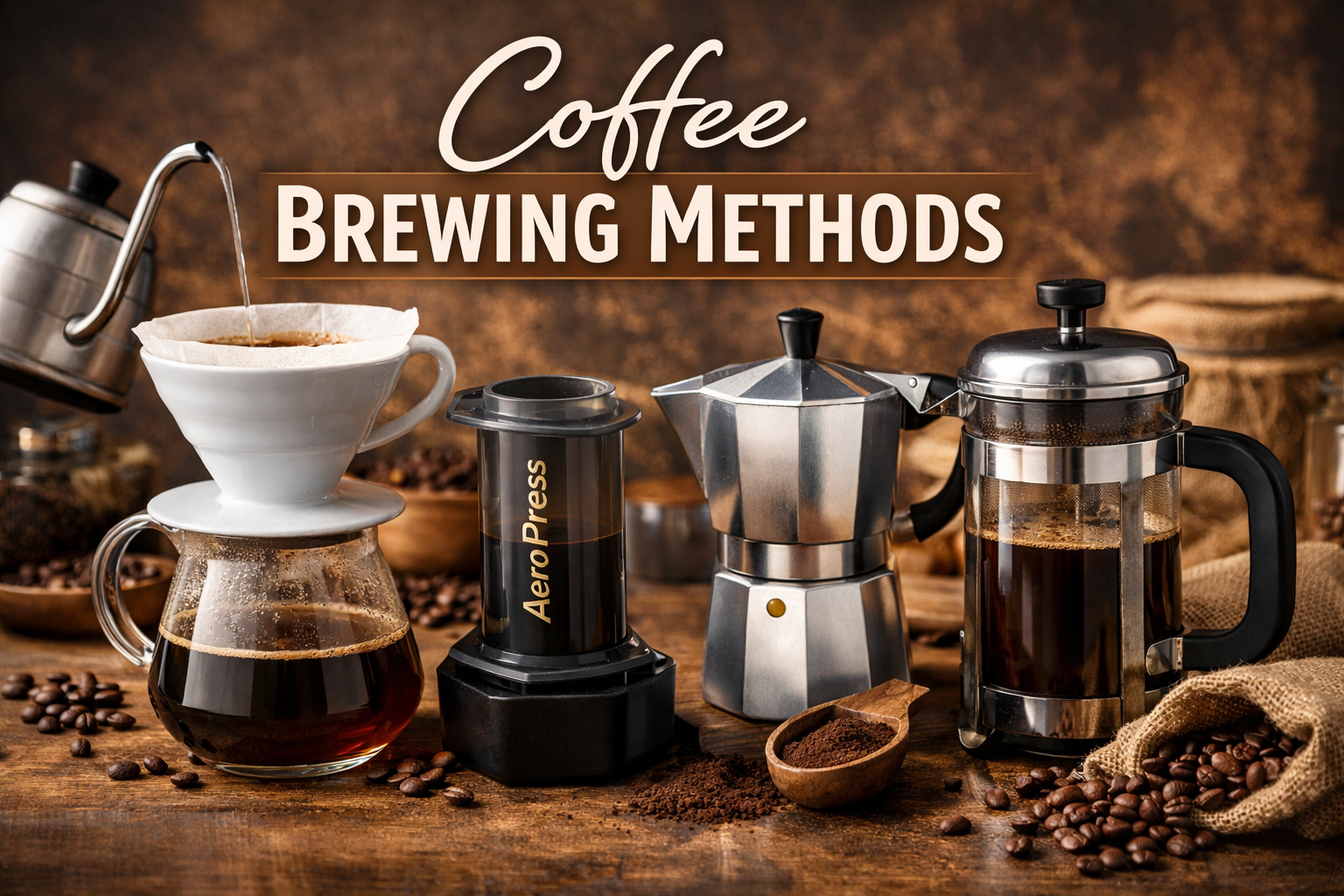
Brewing coffee is the physical process of using water as a solvent to extract soluble flavor compounds from roasted coffee beans. Great coffee is not the result of expensive equipment, but rather a precise understanding of extraction variables and how to apply them to your chosen brewing method.
The Brewing Guides section on ITA Coffee is designed to provide structured, repeatable methodologies for home brewers. Rather than relying on guesswork, these guides focus on objective parameters—grind size, water temperature, and contact time—to help you achieve consistent results.
In This Guide
1. The Core Variables of Extraction (Before You Brew)
Every brewing method is governed by the same underlying physics. Before selecting a specific brewer, it is crucial to understand the variables you must control. If your foundation is flawed, even the best equipment will yield poor results. Read Why Expensive Coffee Gear Doesn’t Fix Bad Coffee to understand why technique matters most.
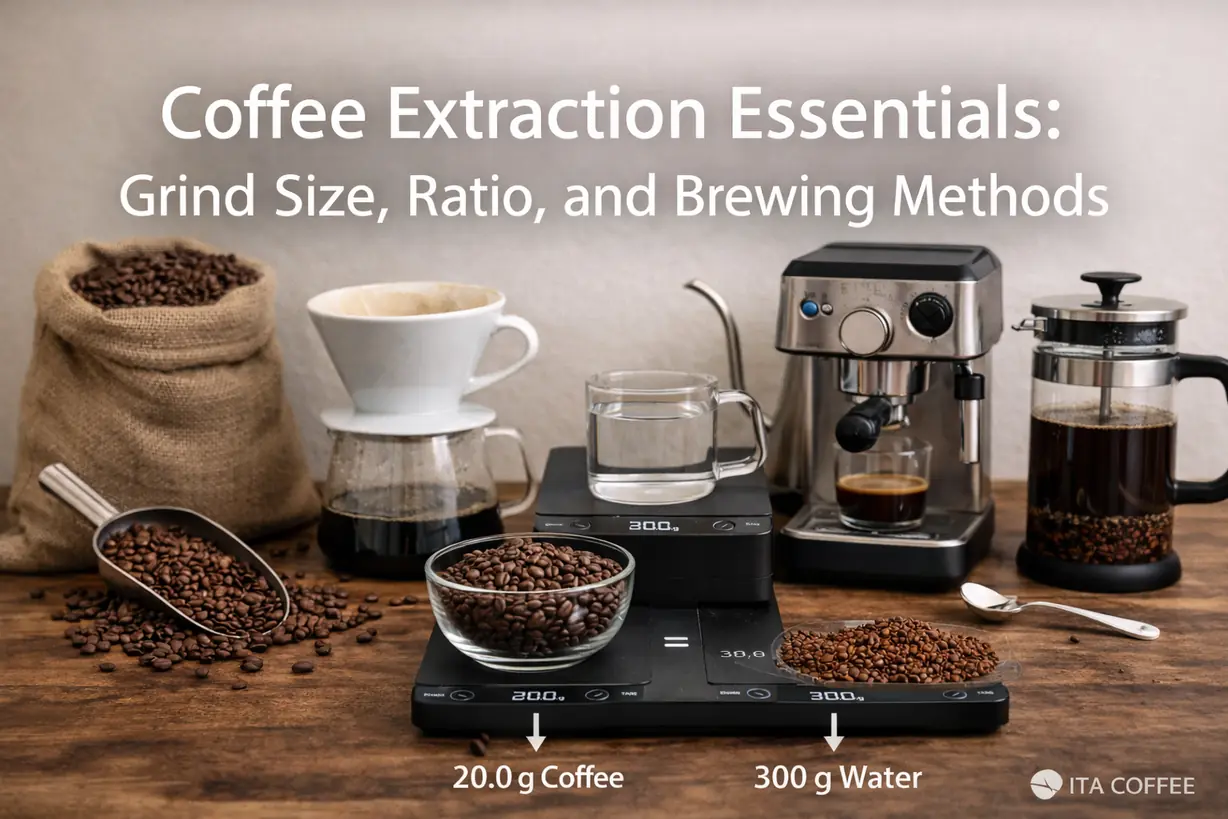
- Precision and Measurement: Controlling your input and output is the first step to repeatability. Learn why volumetric measurements fail in Do You Really Need a Coffee Scale? The Science of Precision Brewing.
- Brew Ratios: Understand the mathematical relationship between coffee and water in Coffee Brew Ratios Explained: A Technical Guide to Precision Extraction.
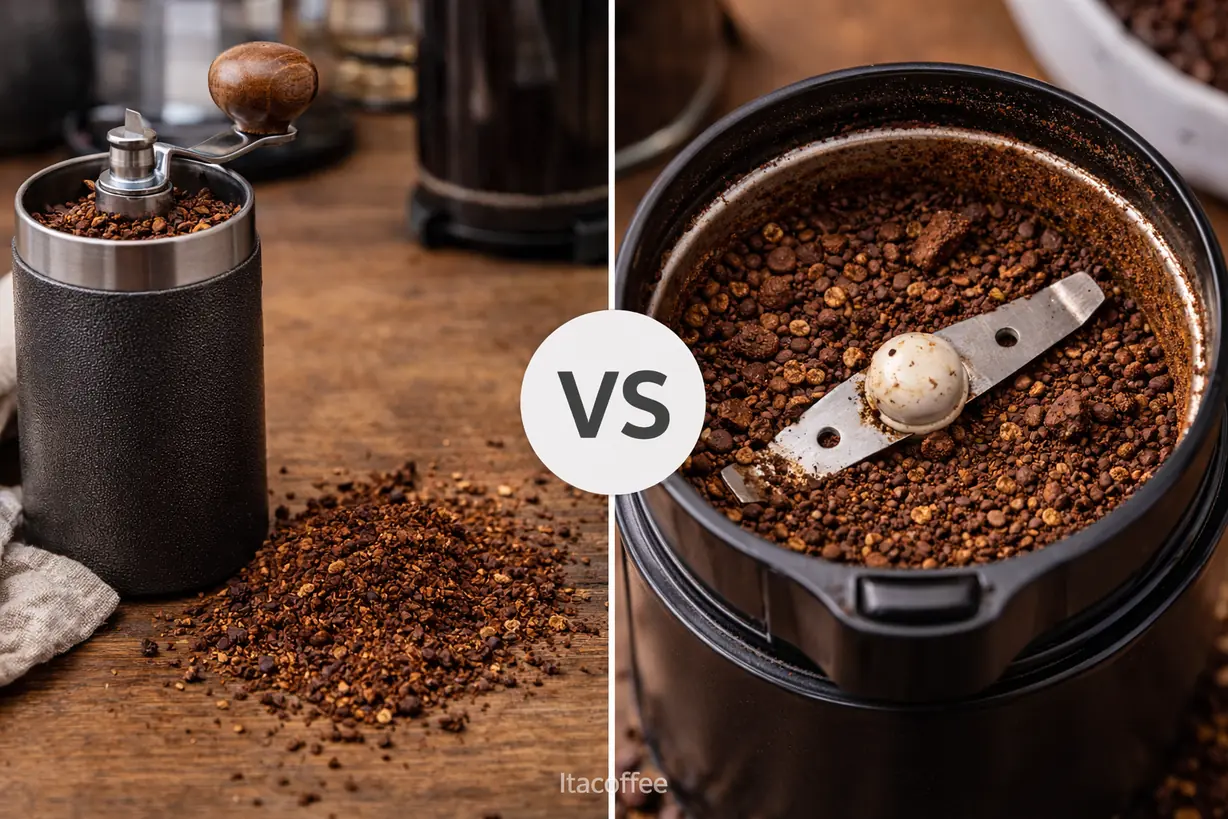
- Grind Size & Surface Area: Particle size dictates the rate of extraction. Explore the physics in Coffee Grind Size Extraction Explained: The Physics of Surface Area.
- Thermal Dynamics: Water temperature affects which compounds dissolve first. Review the parameters in Water Temperature for Coffee: 3 Science-Backed Rules.
- Degassing: Understand the role of carbon dioxide during the initial pour in What Is Coffee Blooming? Why Fresh Coffee Bubbles.
2. Brewing Methods by Fluid Dynamics
Brewing methods can be categorized into two primary fluid dynamics: percolation (continuous flow) and immersion (full saturation). Understanding these mechanics will help you choose the right method for your desired flavor profile.
Immersion Brewing (Full Saturation)
Immersion methods steep the coffee grounds entirely in water, creating a uniform extraction environment that typically yields a heavier body and lower acidity. For a deep dive into the mechanics, read What Is Immersion Brewing? A Technical Guide.
- French Press: How to Brew Coffee with a French Press (A Practical, Repeatable Method)
- AeroPress: AeroPress Brewing Guide (A Clear, Practical Method)
- Cold Brew: Cold Brew at Home: A Simple, Reliable Guide for Smooth Coffee
Percolation Brewing (Continuous Flow)
Percolation involves passing clean water through a bed of coffee grounds. This constantly introduces fresh solvent, making it highly efficient but more susceptible to uneven extraction (channeling). Learn the physics in What Is Percolation Brewing? The Science of Avoiding Bitter Extraction.
- Pour Over (V60): Pour Over (V60) Brewing Guide — A Clear, Practical Method
- Moka Pot: Moka Pot Brewing Guide (Stovetop Coffee, Explained Clearly)
Espresso & Milk-Based Beverages
Espresso is a highly concentrated form of percolation driven by mechanical pressure. This concentration forms the base for traditional café beverages.
- The Core Technique: How to Make Espresso (A Clear, Fundamental Guide)
- Beverage Construction: Learn to build specific ratios in our guides for the Americano, Macchiato, Cappuccino, Flat White, and Latte.
3. Sensory Diagnosis and Troubleshooting
When a brew fails, it is a symptom of an extraction error. If you are wondering Why Café Coffee Tastes Better, it is because professionals adjust parameters based on sensory feedback. Use these guides to calibrate your palate and fix your cup:
- Under-Extraction: Why Coffee Tastes Sour — And How to Fix It
- Over-Extraction: Why Coffee Tastes Bitter: Over-Extraction Explained and How to Fix It
- Low Concentration: Why Coffee Tastes Weak or Hollow (And How to Fix It)
- Misunderstanding Strength: Is More Coffee Always Stronger? A Brewing Guide to Strength vs Extraction
- Ingredient Degradation: Pre-Ground vs Fresh Ground Coffee: What Actually Changes in the Cup?
How to Use This Section
If you are new to making coffee, start by reading How to Brew Better Coffee at Home (Without Buying New Gear) to establish baseline habits. Then, select the brewing guide that matches your current equipment.
For a deeper dive into the chemical reactions and roast profiles that influence these brewing methods, visit our Coffee Knowledge category. If you are preparing to upgrade your grinder or brewer, consult Coffee Tools & Gear for objective analysis of equipment geometries and mechanics.
Select a brewing guide above to begin optimizing your daily extraction.


Leave a Reply